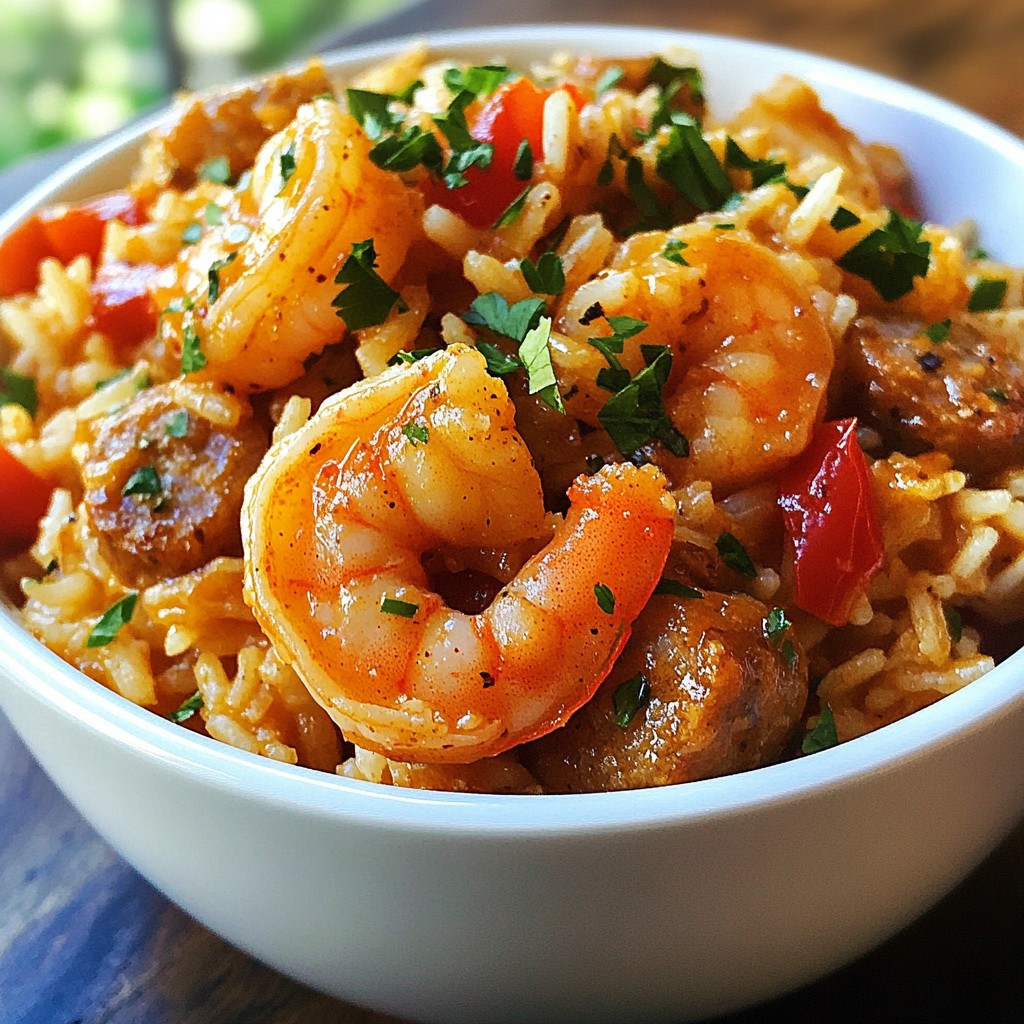
Welcome to my kitchen! Today, we’re diving into a delicious Shrimp and Turkey Sausage Jambalaya. This dish offers rich flavors and a hint of spice. It's perfect for a cozy family dinner or a fun gathering with friends. You’ll discover the key ingredients, easy steps, and helpful tips to make this meal a hit. Get ready to whip up a comforting bowl that everyone will love!
Why I Love This Recipe
- Flavorful Combination: This jambalaya brings together the savory taste of turkey sausage and the sweetness of shrimp, creating a delicious flavor profile that everyone will love.
- Easy to Prepare: With straightforward steps and minimal prep time, this recipe is perfect for both beginner cooks and experienced chefs looking for a quick meal.
- One-Pot Wonder: Cooking everything in one pot not only saves on cleanup but also lets the flavors meld beautifully, resulting in a hearty and satisfying dish.
- Customizable Ingredients: This jambalaya can be easily adapted to include your favorite vegetables or proteins, making it a versatile choice for any meal.
Ingredients
Essential Ingredients for Shrimp and Turkey Sausage Jambalaya
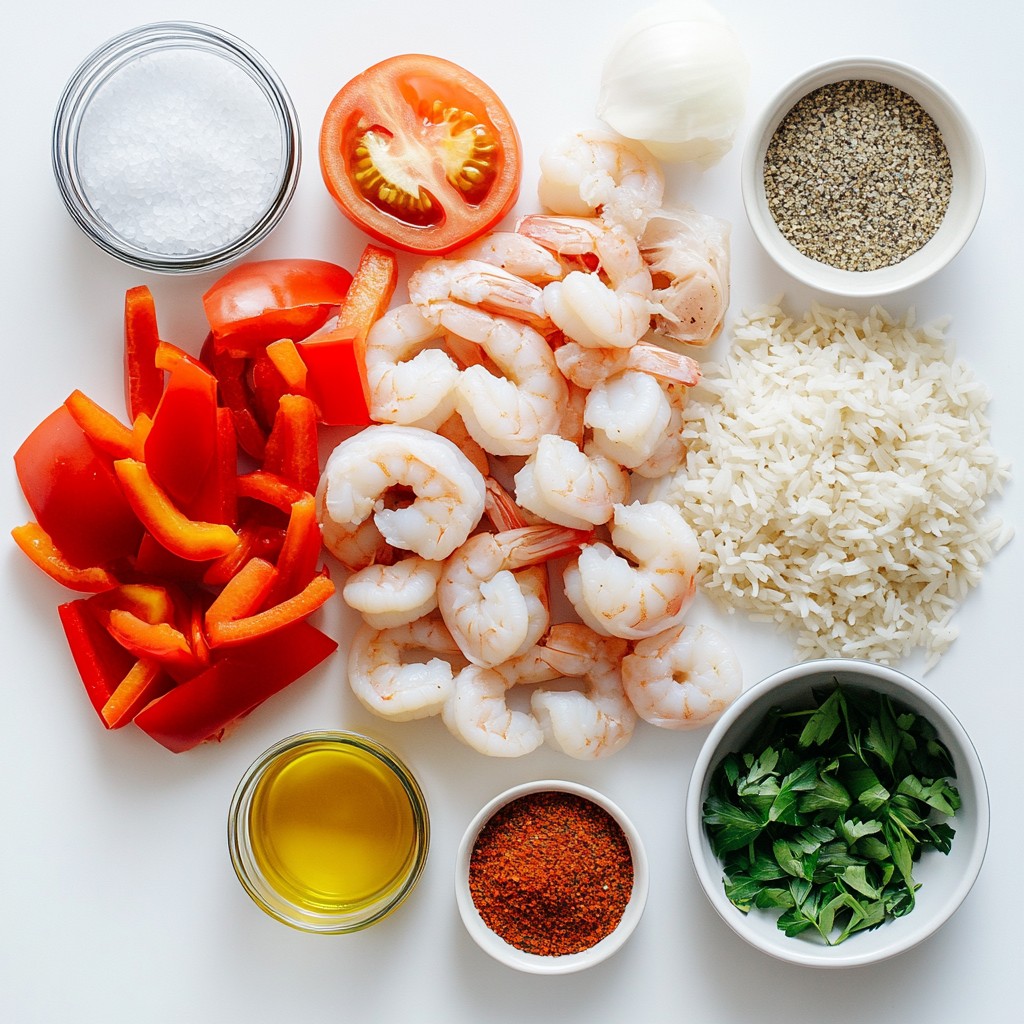
To create a delicious Shrimp and Turkey Sausage Jambalaya, you need some key ingredients:
- 1 lb medium shrimp, peeled and deveined
- 8 oz turkey sausage, sliced into rounds
- 1 cup long-grain rice
- 1 bell pepper (red or green), finely chopped
- 1 medium onion, diced
- 2 cloves garlic, minced
- 1 can (14.5 oz) diced tomatoes, not drained
- 2 cups low-sodium chicken broth
- 1 tablespoon Cajun seasoning
- 1 teaspoon dried thyme
- 1 bay leaf
- 2 tablespoons olive oil
- Salt and pepper, to taste
- 1/4 cup freshly chopped parsley, for garnish
These ingredients come together to create a rich and savory flavor. The shrimp adds a sweet touch, while the turkey sausage gives it a hearty base.
Additional Flavor Boosters
To take your jambalaya to the next level, consider these flavor boosters:
- Fresh lemon or lime juice for brightness
- Hot sauce for a spicy kick
- Green onions for extra crunch and color
- Smoked paprika for a deeper flavor
These extras can enhance the taste and make your dish even more vibrant.
Recommended Cooking Equipment
Having the right tools makes cooking easier and more fun. Here’s what you need:
- A large pot or Dutch oven for even cooking
- A wooden spoon for stirring
- A sharp knife for chopping
- A cutting board for prep work
- Measuring cups and spoons for accuracy
Using good equipment helps you create a perfect jambalaya every time. Enjoy the process and don't be afraid to taste along the way!
Step-by-Step Instructions
Sauté the Sausage
First, heat 2 tablespoons of olive oil in a large pot over medium heat. Add 8 ounces of sliced turkey sausage. Cook for 5 to 7 minutes. Stir often until the sausage gets brown and crispy. Once done, take the sausage out of the pot and put it on a plate.
Cook the Vegetables
Next, keep the heat on and add 1 diced onion, 1 finely chopped bell pepper, and 2 minced garlic cloves to the same pot. Cook for about 4 to 5 minutes. You want the vegetables to be soft and the onions to look clear.
Add Spices and Incorporate Rice
Now, sprinkle in 1 tablespoon of Cajun seasoning and 1 teaspoon of dried thyme. Cook this mix for 1 more minute. This step helps the spices release their great smells. Then, stir in 1 cup of long-grain rice. Make sure every grain gets coated with the oil and spices. This adds flavor to the rice.
Combine Liquid Ingredients and Simmer
Pour in 1 can of diced tomatoes (14.5 oz) with juices and 2 cups of low-sodium chicken broth. Toss the bay leaf in too. Return the cooked turkey sausage to the pot and add salt and pepper to taste.
Add Shrimp and Finalize the Dish
Bring everything to a gentle boil. Once it boils, turn the heat low and cover the pot. Let it simmer for about 20 minutes. The rice should soak up most of the liquid. In the last 5 minutes, fold in 1 pound of peeled and deveined shrimp. Cover the pot again until the shrimp turns pink and tender. After that, take out the bay leaf. Finally, fluff the jambalaya with a fork and serve it hot.
Tips & Tricks
How to Perfectly Cook the Shrimp
To cook shrimp just right, start with fresh or thawed shrimp. Rinse them in cold water and pat dry. When you add them to the pot, do it in the last five minutes of cooking. The shrimp should turn pink and curl slightly when done. If you cook them too long, they can become rubbery.
Adjusting Spiciness Levels
If you like some heat, add more Cajun seasoning. For less spice, use a mild blend or cut back on the amount. You can also serve your jambalaya with hot sauce on the side. This way, everyone can add their preferred spice level.
Expert Presentation Suggestions
Presentation can elevate your dish. Serve the jambalaya in deep bowls or on a large platter. Add a sprinkle of parsley on top for color. A lime wedge on the side gives a fresh twist. A dusting of Cajun seasoning adds flair and enhances the flavor.
Pro Tips
- Fresh Shrimp is Key: Always opt for fresh or high-quality frozen shrimp to enhance the dish's flavor and texture.
- Custom Spice Levels: Adjust the amount of Cajun seasoning according to your heat preference; start with less if unsure!
- Resting Time Matters: Allow the jambalaya to rest for a few minutes after cooking; this helps the flavors meld beautifully.
- Make it Your Own: Feel free to add other proteins like chicken or andouille sausage for a unique twist on this classic dish.
Variations
Healthy Substitutions for Ingredients
You can make this dish lighter with simple swaps. Use brown rice instead of white rice for more fiber. Swap turkey sausage for chicken sausage to cut fat. You can also use less oil when sautéing. Try using low-sodium broth to reduce sodium levels. Fresh veggies like spinach or zucchini add nutrients and flavor without many calories.
Adding Additional Proteins or Vegetables
You can customize the protein in your jambalaya. Add chicken or seafood like crawfish or crab for a different taste. Try adding beans, like black beans or kidney beans, for extra protein and fiber. You can also mix in more vegetables, such as corn or okra. This not only boosts health but also adds more color and texture to the dish.
Vegetarian-Friendly Jambalaya Options
To make jambalaya vegetarian, skip the sausage and shrimp. Instead, use mushrooms for a savory flavor. Mix in plant-based sausage for a hearty bite. You can use vegetable broth instead of chicken broth. For protein, add chickpeas or lentils. This way, you can enjoy jambalaya while keeping it meat-free and delicious!
Storage Info
Leftover Storage Tips
To keep your shrimp and turkey sausage jambalaya fresh, store it in an airtight container. Let it cool down first to avoid steam build-up. Place it in the fridge if you plan to eat it within three days. This keeps the flavors intact and ensures it stays safe to eat.
Reheating Instructions
When you're ready to enjoy the leftovers, reheat jambalaya on the stove for the best results. Add a splash of chicken broth to help it warm evenly. Heat it over medium-low heat, stirring occasionally until it's hot. You can also microwave it in a bowl, covered, for about two minutes. Just stir halfway through to heat it evenly.
Freezing Jambalaya for Later Use
If you want to save jambalaya for longer, freezing is a great option. Cool it completely, then divide it into portions. Use freezer-safe bags or containers. Make sure to remove as much air as possible to prevent freezer burn. Thaw overnight in the fridge before reheating. This way, you can enjoy a taste of home-cooked goodness anytime!
FAQs
What type of rice works best for jambalaya?
Long-grain rice is best for jambalaya. It cooks evenly and stays fluffy. I use it to absorb all the delicious flavors. You can also try basmati rice. Avoid short-grain rice, as it becomes sticky.
Can I use frozen shrimp?
Yes, you can use frozen shrimp. Just thaw them before cooking. This makes it easy to prepare. I recommend running them under cold water. This takes only a few minutes. Frozen shrimp work well and save time.
Is jambalaya better the next day?
Yes, jambalaya often tastes better the next day. The flavors blend and deepen overnight. I love reheating it for lunch or dinner. Just store it properly in the fridge. It also makes for a quick meal.
How can I make jambalaya gluten-free?
To make jambalaya gluten-free, use gluten-free sausage. Many brands offer this option now. Always check labels to be sure. Also, ensure your broth is gluten-free. This way, you can enjoy jambalaya without worries.
In this post, we covered how to make shrimp and turkey sausage jambalaya. We explored key ingredients, cooking steps, and tips for perfect flavor. You also learned storage ideas and variations for this dish. Remember, you can adjust spice levels and make it vegetarian if needed. Enjoy experimenting with flavors and presentations. Your jambalaya can be a hit at any meal. Don't hesitate to try new ingredients and techniques for even better results. Happy cooking!