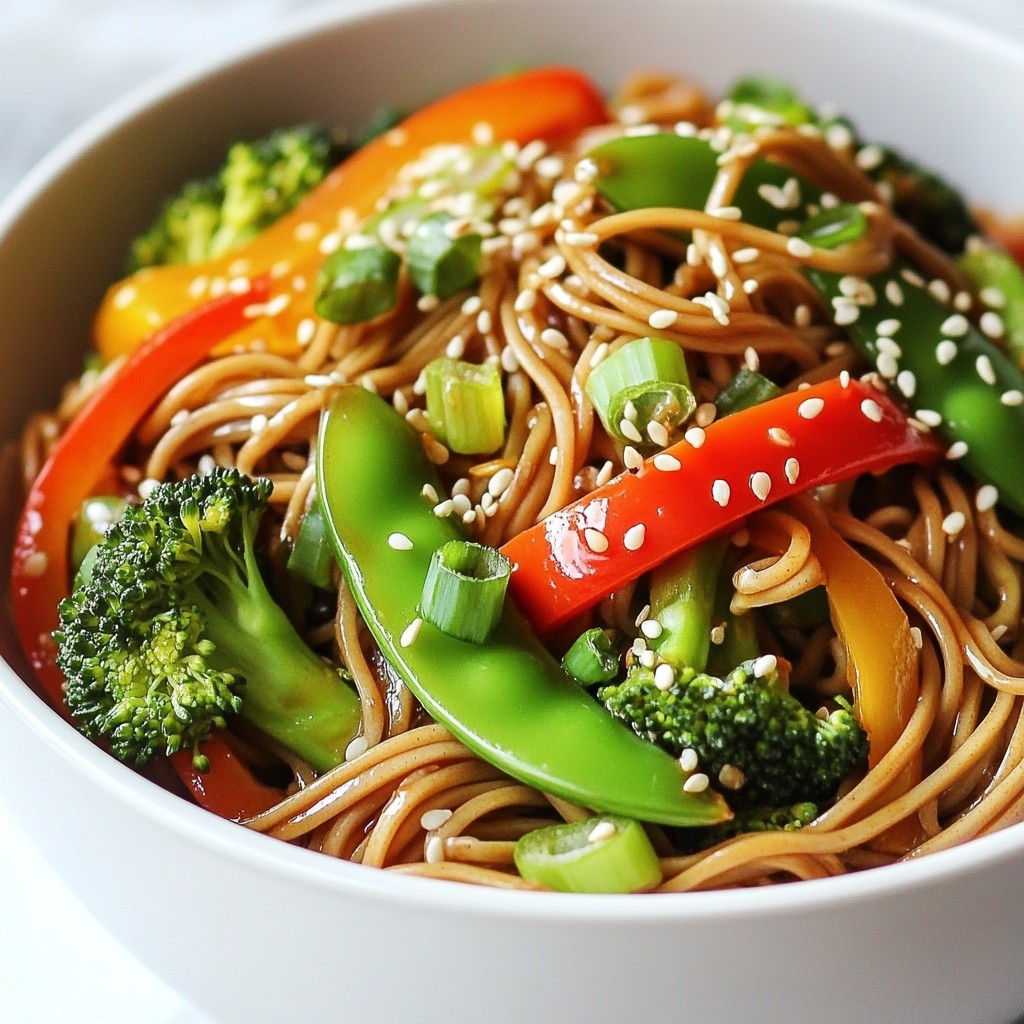
Welcome to your new favorite meal! In this guide, I’ll show you how to make savory sesame teriyaki noodle bowls. This dish is quick, simple, and packed with flavor. You’ll learn about all the ingredients, step-by-step cooking tips, and creative variations. Whether you want a vegan option or extra protein, I’ve got you covered. Let’s dive into this delicious recipe that will impress your taste buds!
Why I Love This Recipe
- Healthy and Colorful: This dish is packed with vibrant vegetables that not only add color but also provide essential nutrients to your meal.
- Quick and Easy:
- Customizable: You can easily adapt this recipe to include your favorite protein, whether it's tofu, chicken, or even shrimp, making it versatile for any dietary preference.
- Flavorful Sauce: The homemade teriyaki sauce adds a rich umami flavor that perfectly complements the noodles and vegetables, taking your taste buds on a delightful journey.
Ingredients
Main Ingredients for Sesame Teriyaki Noodle Bowls
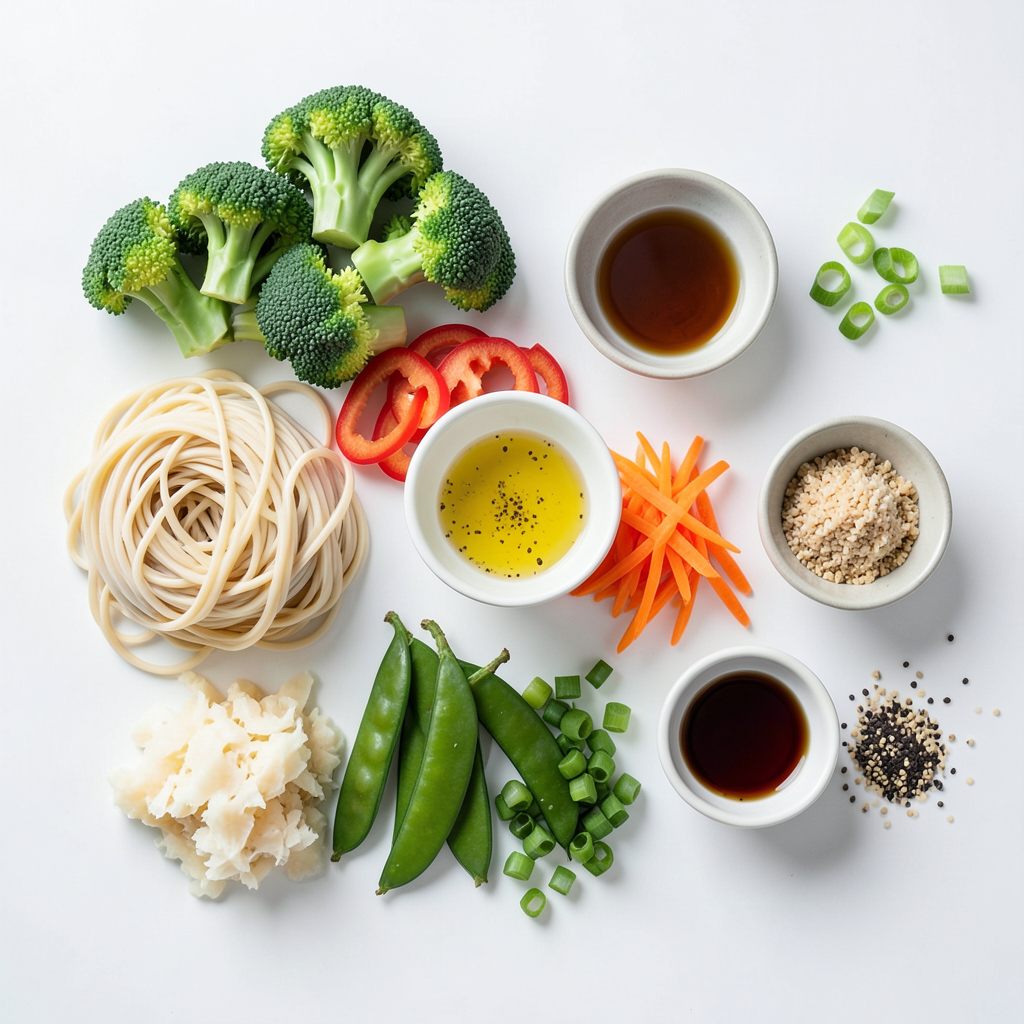
To make these tasty noodle bowls, gather the following items:
- 8 oz. soba noodles
- 1 cup broccoli florets
- 1 red bell pepper, thinly sliced
- 1 cup sugar snap peas
- 1 large carrot, julienned
- 3 tablespoons sesame oil
- 1 tablespoon fresh ginger, minced
- 2 cloves garlic, minced
- 1/3 cup soy sauce
- 2 tablespoons mirin
- 1 tablespoon toasted sesame seeds
- 1 tablespoon green onions, finely chopped
These ingredients work together to create a balanced and flavorful dish. Soba noodles provide a nice base, while the vegetables add color and crunch.
Optional Protein Additions
If you want to boost the protein in your dish, consider adding:
- 1 cup tofu, cubed and sautéed
- 1 cup chicken, cubed and sautéed
Both tofu and chicken absorb the flavors well. You can choose either based on your preference.
Flavor Enhancements
To take your noodle bowls up a notch, think about these enhancements:
- Add a splash of rice vinegar for extra tang.
- Toss in some chili flakes for heat.
- Drizzle with sesame oil before serving for richness.
These small touches can elevate your dish from good to great. Enjoy experimenting with these flavors!
Step-by-Step Instructions
Cooking the Soba Noodles
Start by boiling water in a pot. Add 8 ounces of soba noodles to the pot. Cook them according to the package instructions until they are al dente. This usually takes about 5-7 minutes. Once cooked, drain the noodles in a colander. Rinse them under cold water to stop the cooking process. This keeps them firm and ready for the dish.
Sautéing the Aromatics
In a large skillet or wok, pour in 3 tablespoons of sesame oil. Heat it over medium heat. Add 1 tablespoon of minced fresh ginger and 2 cloves of minced garlic. Sauté for 1-2 minutes. You want to smell the delicious aroma but avoid burning them. This step adds a strong flavor base to your dish.
Stir-Frying the Vegetables
Now, add your veggies. Toss in 1 cup of broccoli florets, 1 thinly sliced red bell pepper, 1 cup of sugar snap peas, and 1 large julienned carrot. Stir-fry these colorful vegetables for about 5-7 minutes. They should be tender-crisp and bright. This keeps them healthy and tasty.
Preparing the Teriyaki Sauce
In a small bowl, mix 1/3 cup of soy sauce with 2 tablespoons of mirin. If you need a substitute for mirin, use a dash of rice vinegar mixed with a pinch of sugar. Whisk this mixture well. Pour the teriyaki sauce over the sautéed vegetables. Stir to coat them evenly. This sauce brings a sweet and savory flavor that ties everything together.
Combining Noodles and Sauce
Add the cooked soba noodles to the skillet. Gently toss everything together. Make sure the noodles are well-coated with the teriyaki sauce. Heat the mixture for another 2-3 minutes while stirring carefully. You want everything warmed through without breaking the noodles.
Adding Protein
If you choose to add protein, now is the time. Use 1 cup of cubed tofu or sautéed chicken. Fold the protein into the noodle and vegetable mix. Make sure it’s evenly distributed. This step adds extra nutrition and makes your meal more filling.
Finishing Touches
Remove the skillet from the heat. Before you serve, sprinkle 1 tablespoon of toasted sesame seeds and 1 tablespoon of finely chopped green onions over the dish. This adds a nice crunch and flavor boost. Serve your noodle bowls in deep dishes. Garnish with extra sesame seeds and green onions for a beautiful presentation. Enjoy your delicious sesame teriyaki noodle bowl!
Tips & Tricks
Best Practices for Cooking Soba Noodles
To cook soba noodles perfectly, follow these steps:
- Boil water in a large pot.
- Add the soba noodles and cook for about 4-5 minutes.
- Stir gently to prevent sticking.
- When done, drain and rinse under cold water.
- This stops the cooking and keeps them firm.
Soba noodles can stick together if not rinsed. So, always rinse them well! This keeps them nice and separate for your bowl.
How to Achieve Perfectly Stir-Fried Vegetables
For great stir-fried vegetables, keep these tips in mind:
- Use a hot skillet or wok.
- Add sesame oil first to coat the pan.
- Toss in ginger and garlic for flavor.
- Add vegetables in order of cooking time.
Start with harder veggies like carrots and broccoli. End with softer ones like bell peppers. This way, all veggies cook just right.
Suggestions for Flavor Variations
You can mix up flavors in your noodle bowl. Here are some ideas:
- Add a splash of lime juice for brightness.
- Mix in chili paste for heat.
- Swap soy sauce with coconut aminos for a sweeter taste.
- Use different vegetables like zucchini or mushrooms.
Be bold and try new tastes! Each change can give your noodle bowl a fresh twist.
Pro Tips
- Use Fresh Ingredients: Fresh vegetables not only enhance the flavor but also add vibrant colors to your dish, making it more appetizing.
- Don't Overcook the Noodles: Soba noodles should be cooked al dente to maintain their texture and prevent them from becoming mushy when tossed with the sauce.
- Customize Your Protein: Feel free to substitute the tofu with shrimp, beef, or any protein of your choice for a different flavor profile and texture.
- Experiment with Toppings: Enhance your noodle bowls with additional toppings like crushed peanuts, chili flakes, or pickled ginger for extra flavor and crunch.
Variations
Gluten-Free Options
To make your Sesame Teriyaki Noodle Bowls gluten-free, choose the right noodles. I recommend using rice noodles or gluten-free soba noodles made from buckwheat. For the sauce, swap regular soy sauce with tamari. This change keeps the savory taste while ensuring your meal is gluten-free.
Vegan Options
If you want to make this dish vegan, simply leave out the chicken or tofu. You can add more veggies or use chickpeas for protein. Another tasty option is to add cooked edamame. This keeps your meal filling and enjoyable while staying plant-based.
Additional Vegetable Choices
Feel free to mix in your favorite vegetables! Some great options are:
- Baby bok choy
- Spinach
- Zucchini, sliced
- Mushrooms, chopped
Add any of these veggies to your stir-fry for extra flavor and nutrition. Just remember to cook them until they are crisp-tender. This helps keep their color and crunch. The more colorful your bowl, the more appealing it looks!
Storage Info
How to Store Leftover Noodle Bowls
To store your leftover noodle bowls, let them cool down first. Place them in an airtight container. Make sure to keep the noodles and veggies together. This helps keep them fresh and tasty. Store the container in the fridge. Leftovers can last up to three days in the fridge.
Reheating Tips
When you want to eat your leftovers, take them out of the fridge. You can reheat them in a few ways. Use a microwave for quick warming. Heat for one to two minutes, stirring halfway through. For better texture, use a skillet. Heat it on medium-low and stir until warm. Add a splash of water or soy sauce to keep them moist.
Freezing Recommendations
If you want to save the noodle bowls for later, freezing is a good choice. Place cooled noodle bowls in a freezer-safe container. Seal it tightly to avoid freezer burn. These noodle bowls can last up to three months in the freezer. When ready to eat, thaw them in the fridge overnight before reheating.
FAQs
What are the best vegetables for Sesame Teriyaki Noodle Bowls?
The best vegetables for this dish include broccoli, bell peppers, sugar snap peas, and carrots. These veggies add color and crunch. You can also try bok choy, snow peas, or zucchini for variety. Fresh vegetables make the dish more vibrant and tasty.
Can I make this dish ahead of time?
Yes, you can make this dish ahead of time. Cook the noodles and veggies, then store them separately. Keep the teriyaki sauce in a jar. When ready to eat, combine everything and heat it up. This keeps the noodles from getting mushy.
What can I substitute for mirin?
If you don’t have mirin, mix rice vinegar with a pinch of sugar. This simple swap adds a nice sweetness. You can also use white wine or apple cider vinegar in a pinch. Just adjust the amount to taste.
Are there any low-sodium alternatives for soy sauce?
Yes, you can use low-sodium soy sauce or tamari. These options cut down on salt but keep the flavor. Coconut aminos also work well as a soy sauce substitute. They are naturally sweet and lower in sodium.
How do I make this recipe spicy?
To add heat, include sliced jalapeños or red pepper flakes. You can also drizzle sriracha or chili oil over the finished dish. Start with a small amount and increase as desired. It’s easy to control the spice level this way.
What can I serve with Sesame Teriyaki Noodle Bowls?
These noodle bowls pair well with a side salad or steamed edamame. You can also serve them with spring rolls for a full meal. Try some pickled vegetables for added zing. These sides complement the flavors nicely.
This blog covered how to make Sesame Teriyaki Noodle Bowls. We discussed key ingredients, like soba noodles and teriyaki sauce. You learned to cook step-by-step, from sautéing aromatics to stir-frying veggies. I shared tips for perfect noodles and tasty veggies. You saw options for gluten-free and vegan bowls.
Store leftovers properly and enjoy them later. Feel free to experiment with flavors and protein. Get creative and make these noodle bowls your own. Happy cooking!