
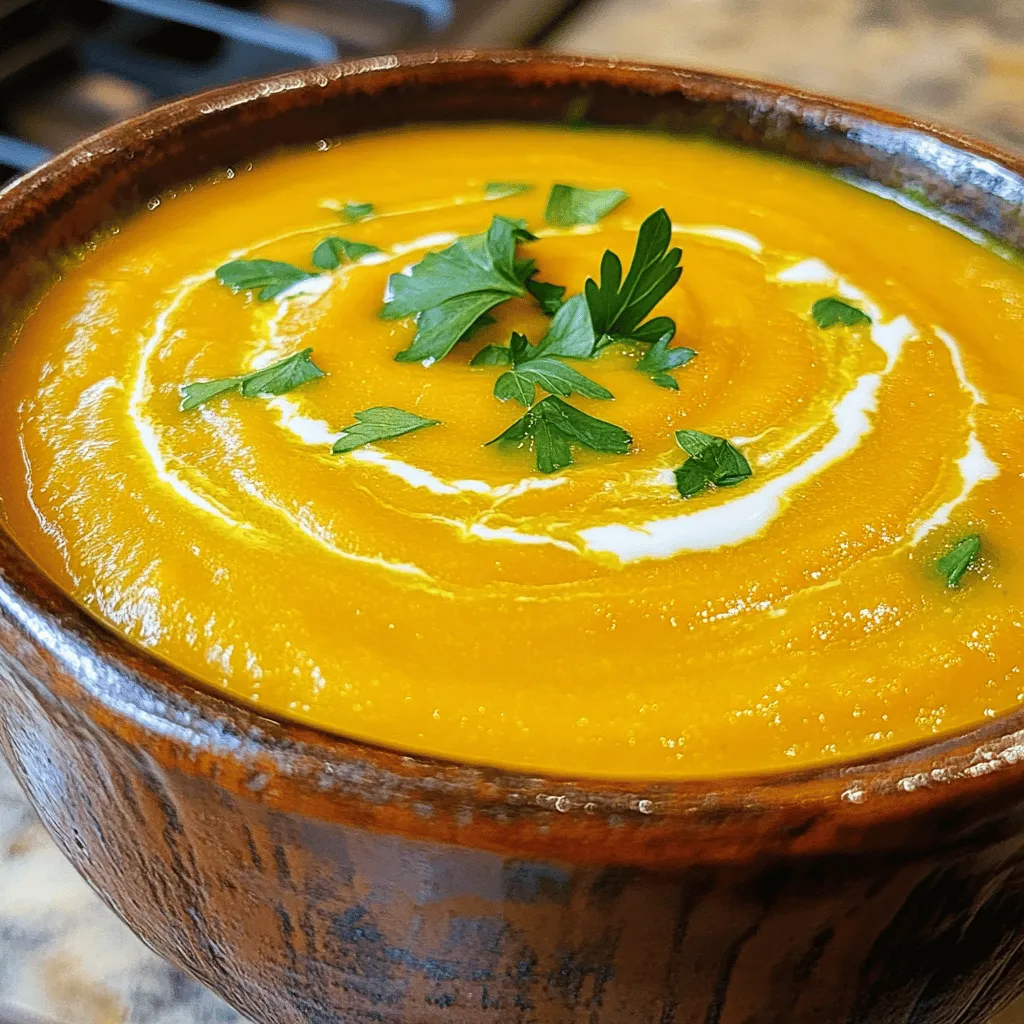
Are you ready to warm up with a bowl of creamy Roasted Butternut Squash Soup? This soup boasts rich flavors, is easy to make, and is packed with nutrients. I’ll guide you through every step, from choosing the perfect squash to storing leftovers. Whether you like it spicy or herbed, I’ve got you covered with tasty variations. Let’s dive into the details and transform your kitchen into a cozy haven!
Ingredients
Complete List of Ingredients
To make this roasted butternut squash soup, you’ll need the following items:
– 1 medium butternut squash (about 2 pounds), peeled and diced into 1-inch cubes
– 2 tablespoons extra virgin olive oil
– 1 medium yellow onion, finely chopped
– 3 cloves fresh garlic, minced
– 2 cups vegetable broth (low-sodium preferred)
– 1 cup full-fat coconut milk
– 1 teaspoon ground nutmeg
– 1 teaspoon ground cinnamon
– Salt and freshly ground black pepper, to taste
– Fresh parsley or thyme sprigs for garnish
Ingredient Substitutions
If you don’t have some ingredients, don’t worry! Here are some easy swaps:
– Instead of olive oil, you can use avocado oil or melted butter.
– If you want to skip coconut milk, use heavy cream or almond milk.
– For the broth, chicken broth works well if you eat meat.
– If you lack nutmeg, ground ginger or allspice can add a nice touch.
– You can swap the onion for shallots or leeks for a milder taste.
Tips for Choosing Fresh Butternut Squash
When selecting butternut squash, look for these signs of freshness:
– Choose squash that feels heavy for its size.
– Check for a smooth, tan skin without soft spots or blemishes.
– The stem should be dry and firm, not mushy.
– Look for a squash that has a dull finish instead of shiny skin.
– If you can, smell it! A sweet aroma signals ripeness.
With these tips, you’ll pick the best squash for your soup. Enjoy creating a warm, creamy dish that is perfect for any season!
Step-by-Step Instructions
Detailed Cooking Instructions
Follow these steps to make your soup extra yummy. Start by preheating your oven to 400°F (200°C). This helps the squash cook just right. Next, take a bowl and mix the diced butternut squash with one tablespoon of olive oil. Add salt and black pepper to taste. Toss it well so every piece is coated. Spread the squash on a baking sheet in one layer. Roast them for 25-30 minutes, stirring halfway. This gives them a nice caramelized look.
While the squash roasts, heat the rest of the olive oil in a large pot over medium heat. Add the chopped onion and cook for about five minutes. You want the onion to be soft and see-through. Then add the minced garlic. Cook it for just one more minute, mixing well until it smells great.
When the squash is done, add it to the pot with the onions and garlic. Pour in two cups of vegetable broth and mix it all up. Bring this to a gentle boil. After that, turn down the heat to low and let it simmer for ten minutes. This is when the flavors blend together nicely.
Roasting Techniques for Perfect Squash
Roasting butternut squash is key to getting that sweet, rich flavor. Make sure to cut the squash into even 1-inch cubes. This helps them cook evenly. Don’t crowd the baking sheet; give them space. If they are too close, they will steam instead of roast. Stir the cubes halfway through to ensure they get that golden brown color. This caramelization adds depth to your soup.
Blending for the Best Texture
To make the soup creamy, blending is essential. You can use an immersion blender right in the pot for ease. If you don’t have one, use a countertop blender. Just remember to let the soup cool a bit before you blend it in batches. This prevents splatters. Once blended, return the soup to the pot and stir in the coconut milk. This adds a lovely creaminess. Adjust the seasoning with salt and pepper to your liking. Heat gently, and your soup is ready to serve!
Tips & Tricks
Enhancing Flavor Profiles
To boost the flavor of your roasted butternut squash soup, use fresh herbs. Thyme and rosemary bring a lovely taste. Adding a splash of balsamic vinegar can deepen the flavor. You might also try a squeeze of lemon juice for a bright finish. For warmth, include a pinch of cayenne pepper. This spice adds subtle heat without overwhelming the soup.
Best Practices for Roasting
Roasting squash enhances its sweetness and flavor. Cut the squash into even pieces. This helps it cook uniformly. Don’t overcrowd the baking sheet; give each piece space. Stir halfway through roasting. This action ensures even browning and caramelization. Use a high-quality olive oil for the best taste.
Adjusting Consistency and Creaminess
If your soup is too thick, add more vegetable broth. Stir in small amounts until it reaches your desired consistency. For extra creaminess, blend in more coconut milk. If you prefer a lighter soup, use less coconut milk or experiment with almond milk. Always taste and adjust the seasoning before serving.
Variations
Dietary Modifications (Vegan, Gluten-Free)
You can easily make this soup vegan. Just use vegetable broth and coconut milk. Both keep the soup creamy and rich. To make it gluten-free, be sure to check that your vegetable broth is gluten-free. Most store-bought options are, but it’s always good to look at the label.
Flavor Variations (Spicy, Herbed)
If you like some heat, add red pepper flakes or diced jalapeños while cooking. This will give your soup a nice kick. For a herbed flavor, mix in fresh herbs like basil or rosemary at the end. They add brightness to the dish. You can also use curry powder for a warm, exotic twist.
Serving Suggestions (Garnishes and Accompaniments)
Garnishes make a big difference in presentation. Top your soup with a drizzle of coconut milk for creaminess. Add fresh parsley or thyme for color and flavor. You can serve the soup with crusty bread or a fresh salad. These pair well and make for a complete meal.
Storage Info
How to Store Leftovers
After enjoying your roasted butternut squash soup, you may have some left. To store leftovers, let the soup cool completely. Transfer it to an airtight container. Make sure to seal it tightly. You can keep it in the fridge for about three to five days. If you want to enjoy it later, freezing is a great option.
Freezing and Reheating Instructions
To freeze the soup, pour it into freezer-safe containers. Leave some space at the top since the soup expands when frozen. Label the containers with the date, so you remember when you made it. The soup can last up to three months in the freezer. When you are ready to eat, thaw the soup overnight in the fridge. Reheat it in a pot on medium heat until warm. Stir it often to keep it smooth and creamy. You can also use a microwave, but be careful not to overheat it.
Shelf Life and Safety Tips
The shelf life of roasted butternut squash soup depends on how you store it. In the fridge, it lasts about three to five days. If you freeze it, aim for three months for the best flavor. Always check for signs of spoilage before eating. If the soup smells off or has an unusual color, it is best to discard it. Safety is key when storing food, so always use clean containers and keep them sealed. Enjoy your delicious soup safely!
FAQs
Common Questions About Roasted Butternut Squash Soup
Roasted butternut squash soup is a warm and tasty dish. It’s smooth, creamy, and perfect for chilly days. Here are some common questions I often hear:
What is the best way to serve this soup?
I love serving it warm in bowls. A sprinkle of fresh herbs on top adds color and flavor. You can also pair it with crusty bread or a light salad.
Can I make this soup ahead of time?
Yes! This soup tastes even better the next day. Just store it in the fridge and reheat it before serving.
How long does it last in the fridge?
This soup can stay fresh in the fridge for about 4 to 5 days. Make sure to store it in an airtight container.
Troubleshooting Cooking Issues
Sometimes things don’t go as planned. Here are some tips to fix common issues:
My soup is too thick. What should I do?
If your soup is too thick, add more vegetable broth or coconut milk. Stir it in slowly until you reach your desired consistency.
The soup tastes bland. How can I fix this?
Taste your soup! If it needs more flavor, add salt, black pepper, or a pinch of spices. A squeeze of lemon juice can also brighten the taste.
Why is my soup not creamy?
For a creamy texture, blend the soup well. If you still find it lumpy, blend it again until smooth.
Nutritional Information and Health Benefits
Roasted butternut squash soup brings many health benefits. Here’s a quick look:
– Low in calories: It’s a great choice for a healthy meal.
– Rich in vitamins: Butternut squash has high amounts of vitamins A and C. These vitamins support your immune system and skin health.
– High in fiber: This soup helps with digestion and keeps you full longer.
– Dairy-free option: Using coconut milk makes it a great choice for those who are lactose intolerant.
In this blog post, we explored the key ingredients, cooking steps, and tips for great butternut squash soup. I shared how to choose fresh squash and offered substitutions for ingredients. The roasting methods I outlined help achieve the perfect texture. Consider variations to fit dietary needs and enhance flavors. Lastly, I provided essential storage tips to keep your soup fresh. Enjoy making this soup, and experiment with different flavors! It’s a delicious dish that you can easily adapt to your taste.