
Easy Veggie Omelette Tasty and Quick Breakfast Recipe

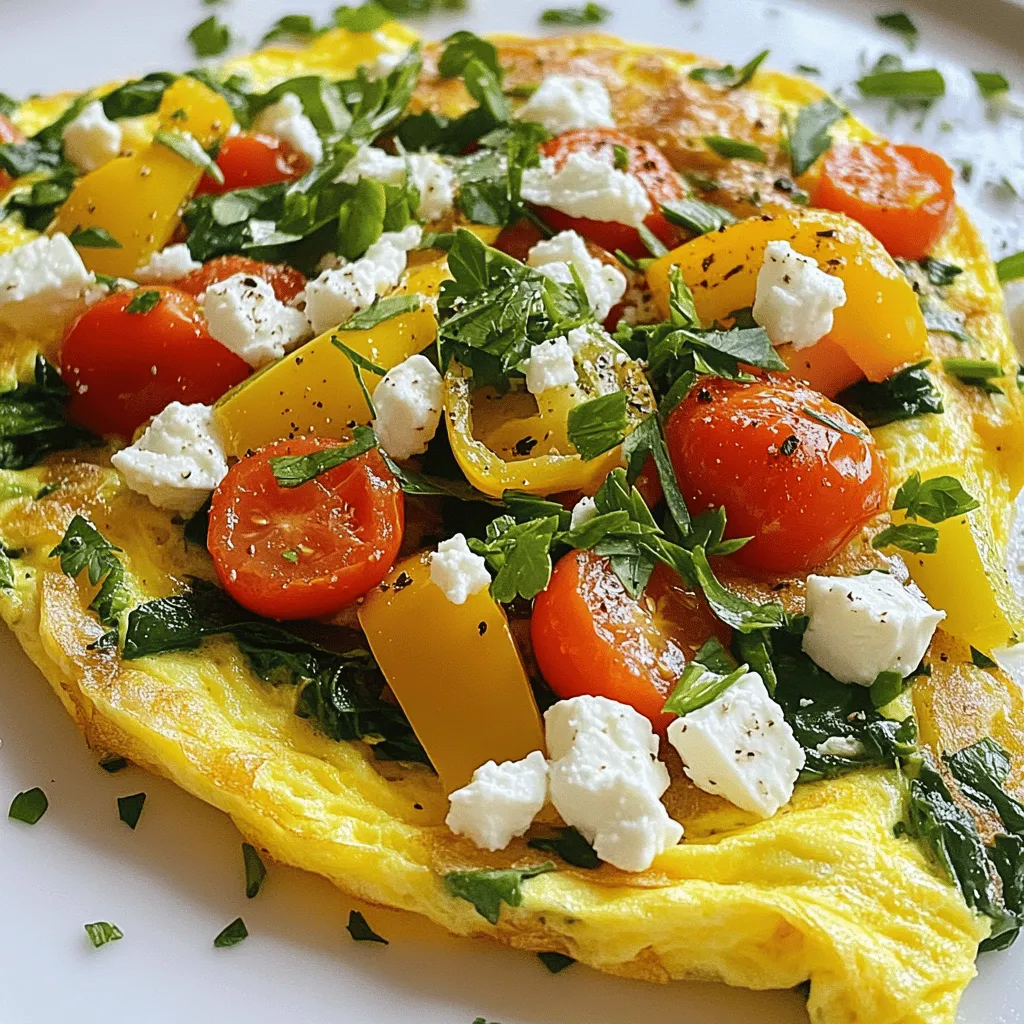
Looking for a quick and tasty breakfast? This Easy Veggie Omelette is packed with fresh flavors and is ready in just 15 minutes! With simple ingredients like egg, spinach, and bell peppers, you’ll enjoy a healthy start to your day. I’ll guide you step-by-step to create a fluffy omelette that suits your taste. Let’s dive into this delicious recipe and get cooking!
Ingredients
Main Ingredients
– 3 large eggs
– 2 tablespoons milk
– 1/4 cup bell peppers (mixed colors)
– 1/4 cup fresh spinach
– 1/4 cup cherry tomatoes
– 1/4 cup onion
– 2 tablespoons feta cheese
– 1 tablespoon extra virgin olive oil
– Salt and pepper
Optional Garnishes
– Fresh herbs (parsley or chives)
– Side suggestions (mixed greens, whole-grain toast)
The main ingredients in this veggie omelette are simple yet colorful. You start with three large eggs and add two tablespoons of milk. This mix makes the omelette fluffy and soft. Next, you toss in a quarter cup of bell peppers, which can be red, yellow, or green. They add a nice crunch.
Then, add a quarter cup of fresh spinach and cherry tomatoes. The spinach wilts down, while the tomatoes burst with juice. Don’t forget the onion, which gives great flavor. A quarter cup is just right.
Now, for a tasty twist, sprinkle two tablespoons of feta cheese. It melts beautifully into the omelette. Use one tablespoon of extra virgin olive oil to cook it all up. Finally, season with salt and pepper to taste.
For optional garnishes, consider fresh herbs like parsley or chives to brighten the dish. You can also serve your omelette with mixed greens or whole-grain toast for a fuller breakfast experience.
This colorful veggie delight is not just quick; it’s also a great way to start your day!
Step-by-Step Instructions
Preparation Steps
1. In a medium bowl, crack the eggs and add the milk.
2. Whisk the mixture until it is frothy and mixed well.
3. Season with salt and pepper to taste.
Cooking Instructions
1. Heat the olive oil in a non-stick frying pan over medium heat.
2. Add the diced onion and sauté for 2-3 minutes until soft.
3. Next, add the bell peppers and cook for 2 more minutes.
4. Stir in the spinach and cherry tomatoes, cooking for 1 minute.
5. Pour the egg mixture over the veggies and gently swirl the pan.
6. Let the omelette cook for 3-4 minutes until the edges firm up.
7. Sprinkle feta cheese on one half of the omelette.
8. Fold the omelette over the cheese and cook for another minute.
9. Carefully slide the omelette onto a plate and garnish with herbs.
Tips & Tricks
Perfecting Your Omelette
– Choosing the right pan: Use a non-stick pan. It helps the omelette slide out easily.
– Tips for even cooking: Keep the heat at medium. This way, the eggs cook slowly and gently.
– How to prevent sticking: Use enough oil. Coat the pan well before adding the eggs.
Flavor Enhancements
– Alternative cheeses: Try goat cheese or cheddar. Both add a nice twist to your dish.
– Adding spices and herbs: A pinch of paprika or fresh basil works wonders. Experiment with different herbs to find your favorite.
– Suggested vegetable substitutions: Swap bell peppers for mushrooms or broccoli. Use what you have on hand for a unique flavor.
Variations
You can have fun with your veggie omelette by trying different flavors. Here are some ideas:
Seasonal Veggie Omelette Ideas
– Spring: Use fresh asparagus and sweet peas. These bright veggies add crunch and color.
– Summer: Try adding zucchini and corn. They bring a sweet, tender bite to your breakfast.
– Fall: Look for mushrooms and kale. This combo gives a hearty taste and rich texture.
Different Cheese Options
You can switch up the cheese for new flavors. Consider:
– Cheddar: Adds a sharp taste.
– Mozzarella: Brings a mild, creamy texture.
– Goat cheese: Offers a tangy kick.
Incorporating Proteins
For a more filling meal, add protein to your omelette. Options include:
– Tofu: Crumble firm tofu for a light, plant-based protein.
– Tempeh: This adds a nutty flavor and chewy texture.
– Beans: Black beans or chickpeas can boost fiber and taste.
Experiment with these suggestions to make your omelette unique.
Storage Info
Storing Leftovers
After you make your veggie omelette, you may want to save some for later. To do this, let the omelette cool down first. Then, wrap it tightly in plastic wrap or place it in an airtight container. Store it in the fridge. Leftovers can stay fresh for about 3 days.
Reheating Instructions
When you’re ready to eat the leftover omelette, there are a few great ways to heat it up. The best method is to use a skillet. Place the omelette in a non-stick pan over low heat. Cover it with a lid. This helps to warm it through without burning. You can also use the microwave. Heat it for 30 seconds at a time until warm. But, it may not taste as good as from the skillet.
Freezing Tips
You can freeze omelettes if you want to save them for a longer time. To freeze, let the omelette cool completely. Then, wrap it in plastic wrap and place it in a freezer bag. Try to remove as much air as you can. This helps prevent freezer burn. Omelettes can last up to 2 months in the freezer. When you want to eat one, thaw it in the fridge overnight before reheating. Enjoy the ease of having a quick meal ready!
FAQs
Common Questions
How do I make a fluffier omelette?
To make a fluffier omelette, whisk the eggs well. Adding milk or cream helps too. This adds air, making your omelette light. Cook it on low heat to avoid browning too much.
Can I make this recipe vegan?
Yes, you can! Use plant-based eggs instead of real eggs. Substitute milk with almond or soy milk. You can also skip the feta or use a vegan cheese.
What vegetables work best in an omelette?
Great veggies include bell peppers, spinach, tomatoes, and onions. You can also use mushrooms, zucchini, or broccoli. Use your favorites for a tasty mix!
Can I prepare the omelette in advance?
You can prepare the filling ahead of time. Just store it in the fridge. When you are ready, cook the eggs fresh. This keeps your omelette tasty and fluffy.
Nutritional Information
Caloric content of the omelette
This veggie omelette has about 300 calories. This can vary based on the cheese and oil you use. It’s a filling option for breakfast or brunch.
Protein and other nutrient breakdown
Each serving has about 20 grams of protein. Eggs are a great protein source. The veggies add vitamins and fiber, making it a healthy choice.
Serving Suggestions
What to serve with a veggie omelette?
You can serve your omelette with mixed greens or whole-grain toast. These sides add color and nutrients to your meal. A side of fruit is also a nice touch.
Ideal breakfast pairings for better nutrition
Pair your omelette with fresh fruit, yogurt, or a smoothie. These options boost your meal’s vitamins and keep you full longer. Enjoy a balanced breakfast!
This post shared a simple veggie omelette recipe. You learned about ingredients, cooking steps, and tips to make it perfect. I highlighted variations and storage options too.
Making an omelette lets you be creative with flavors and veggies. Don’t hesitate to try new things. Enjoy your tasty, nutritious meal! Remember, practice makes perfect. So, keep cooking and have fun!


![To make a fresh Mediterranean quinoa salad, gather these key ingredients: - 1 cup quinoa, thoroughly rinsed - 2 cups vegetable broth (preferably low-sodium) - 1 bell pepper (either red or yellow), finely diced - 1 medium cucumber, diced into bite-sized pieces - 1 cup cherry tomatoes, halved - 1/4 of a medium red onion, finely chopped - 1/2 cup Kalamata olives, pitted and sliced - 1/2 cup feta cheese, crumbled - 1/4 cup fresh parsley, finely chopped - 1/4 cup extra virgin olive oil - 2 tablespoons freshly squeezed lemon juice - 1 teaspoon dried oregano - Sea salt and freshly cracked black pepper to taste These ingredients blend well together. Each one adds a unique flavor. The quinoa forms the base, while the vegetables add crunch and color. Kalamata olives give it a salty twist, and feta cheese adds creaminess. You can customize your salad with these optional add-ins: - Avocado for creaminess - Grilled chicken for protein - Chickpeas for extra fiber - Spinach or arugula for leafy greens - Sun-dried tomatoes for a tangy kick These add-ins can enhance the salad's taste and texture. Feel free to experiment with what you love! This salad is a healthy choice. It is packed with nutrients. Here’s a quick look at its benefits: - Quinoa: High in protein and fiber - Vegetables: Rich in vitamins and minerals - Olive oil: A source of healthy fats - Feta cheese: Adds calcium and flavor One serving provides a balanced mix of protein, healthy fats, and carbs. Eating this salad can support your health while satisfying your taste buds. For the full recipe, check out Mediterranean Quinoa Salad Delight! To start, rinse 1 cup of quinoa under cold water. This step removes the bitter coating. Next, combine the rinsed quinoa and 2 cups of vegetable broth in a medium saucepan. Bring this mixture to a rolling boil over medium-high heat. Once boiling, reduce the heat to a gentle simmer. Cover the saucepan and let it cook for about 15 minutes. The quinoa is ready when it absorbs all the liquid and becomes fluffy. After cooking, fluff it with a fork and transfer it to a large mixing bowl. Let it cool for a few minutes. While the quinoa cools, prepare the vegetables. Dice 1 bell pepper and 1 medium cucumber. Halve 1 cup of cherry tomatoes. Finely chop 1/4 of a medium red onion, and slice 1/2 cup of Kalamata olives. In the same large bowl with the quinoa, add all these diced vegetables along with 1/2 cup of crumbled feta cheese. Gently stir to mix everything together. For the dressing, take a separate small bowl. Whisk together 1/4 cup of extra virgin olive oil, 2 tablespoons of freshly squeezed lemon juice, and 1 teaspoon of dried oregano. Add sea salt and freshly cracked black pepper to taste. Whisk until the dressing is well combined and emulsified. Pour the dressing over the quinoa and vegetable mixture. Toss everything together until the quinoa and veggies are well coated with the dressing. Finally, fold in 1/4 cup of finely chopped fresh parsley. Be careful not to break the feta or overcrowd the grains. Cover the bowl and let the salad sit at room temperature for at least 30 minutes. This time helps the flavors blend beautifully. For the full recipe, check out the Mediterranean Quinoa Salad Delight. To cook quinoa, rinse it well in cold water. This removes bitterness. Use a ratio of 1 part quinoa to 2 parts vegetable broth. Boil the mixture, then reduce the heat to simmer. Cover and cook for about 15 minutes. When done, fluff it gently with a fork. Let it cool before mixing it with other ingredients. To boost flavors, add fresh herbs like basil or mint. You can also toss in some garlic or lemon zest for a zing. Experiment with different olives or cheese types. Each will give a unique twist. Don't forget to season with salt and pepper to taste. Serve the salad in a large bowl for sharing. For individual servings, use small plates. Garnish with lemon wedges and extra parsley for color. A drizzle of olive oil on top adds shine and flavor. You can also pair it with grilled chicken or fish for a complete meal. Find the full recipe in the article to enjoy a fresh and tasty meal. {{image_4}} You can easily boost the protein in your Mediterranean quinoa salad. Adding cooked chicken gives a hearty touch. Simply grill or roast chicken breasts, then slice them up and mix them in. If you prefer a meatless option, chickpeas work great. Use canned chickpeas for quick prep. Rinse and drain them before adding. While the olive oil and lemon dressing is tasty, you can try other dressings too. A balsamic vinaigrette adds a sweet tang. For a creamy twist, mix Greek yogurt with lemon juice and herbs. This will make the salad richer and even more satisfying. Swap in seasonal veggies for fresh flavor. In the spring, add sweet peas or asparagus. In summer, try zucchini or fresh corn. Autumn brings squash or roasted root vegetables. Winter is great for kale or Brussels sprouts. These swaps keep your salad exciting and varied all year round. Feel free to check the Full Recipe for more details! After enjoying your Mediterranean quinoa salad, store leftovers in the fridge. Place the salad in a bowl and cover it tightly with plastic wrap or a lid. This helps keep the salad fresh and tasty. If you want to save some for later, portion it out into meal prep containers. When storing your salad, use airtight containers. Glass containers work great because they don't stain or retain odors. If you prefer plastic, choose BPA-free containers. Ensure they are deep enough to hold the salad without squishing it. If you have a dressing, keep it separate until you are ready to eat to avoid sogginess. Your Mediterranean quinoa salad will last in the fridge for about 3 to 5 days. If you notice any change in smell or color, it’s best to toss it out. Reheating is not recommended for salads with fresh veggies. Instead, enjoy the salad cold or at room temperature. If you want to warm it up, heat the quinoa-only portion in a microwave for about 30 seconds, but avoid reheating the veggies and feta. For the full recipe, check [Full Recipe]. Quinoa is a tiny seed rich in protein, fiber, and vitamins. It is gluten-free and very nutritious. It helps in building muscles and keeps you full longer. Quinoa contains all nine essential amino acids, making it a complete protein. This is great for vegans and vegetarians. It also has antioxidants that help fight inflammation. Eating quinoa may support heart health and improve digestion. Yes, you can make this salad ahead of time. It tastes even better after sitting for a few hours. Just keep it in the fridge for up to three days. The flavors meld together nicely. If you add the dressing later, it stays fresh longer. Just remember to mix it before serving to spread the flavors. To make this salad vegan, skip the feta cheese. You can use avocado instead for creaminess. You can also add extra olives or nuts for texture. The dressing is already vegan with olive oil and lemon juice. This way, you keep it tasty without any animal products. This salad pairs well with many dishes. You can serve it with grilled chicken or fish for protein. It also goes nicely with roasted vegetables or hummus. For a lighter meal, enjoy it with pita bread. This salad is great as a side or a main dish. The Mediterranean quinoa salad is a tasty and healthy dish. We covered key ingredients, from quinoa and fresh veggies to possible add-ins. I shared easy steps for preparing the salad and tips for cooking quinoa just right. You learned about variations and how to store leftovers properly. Remember, this salad is very flexible; you can change the protein and dressing as you like. Enjoy this dish for its flavor and nutrition. It’s simple, refreshing, and great for any meal!](https://goldendishy.com/wp-content/uploads/2025/06/0bb42d2e-6f0a-4b63-945d-06b8684c6b2f-768x768.webp)