
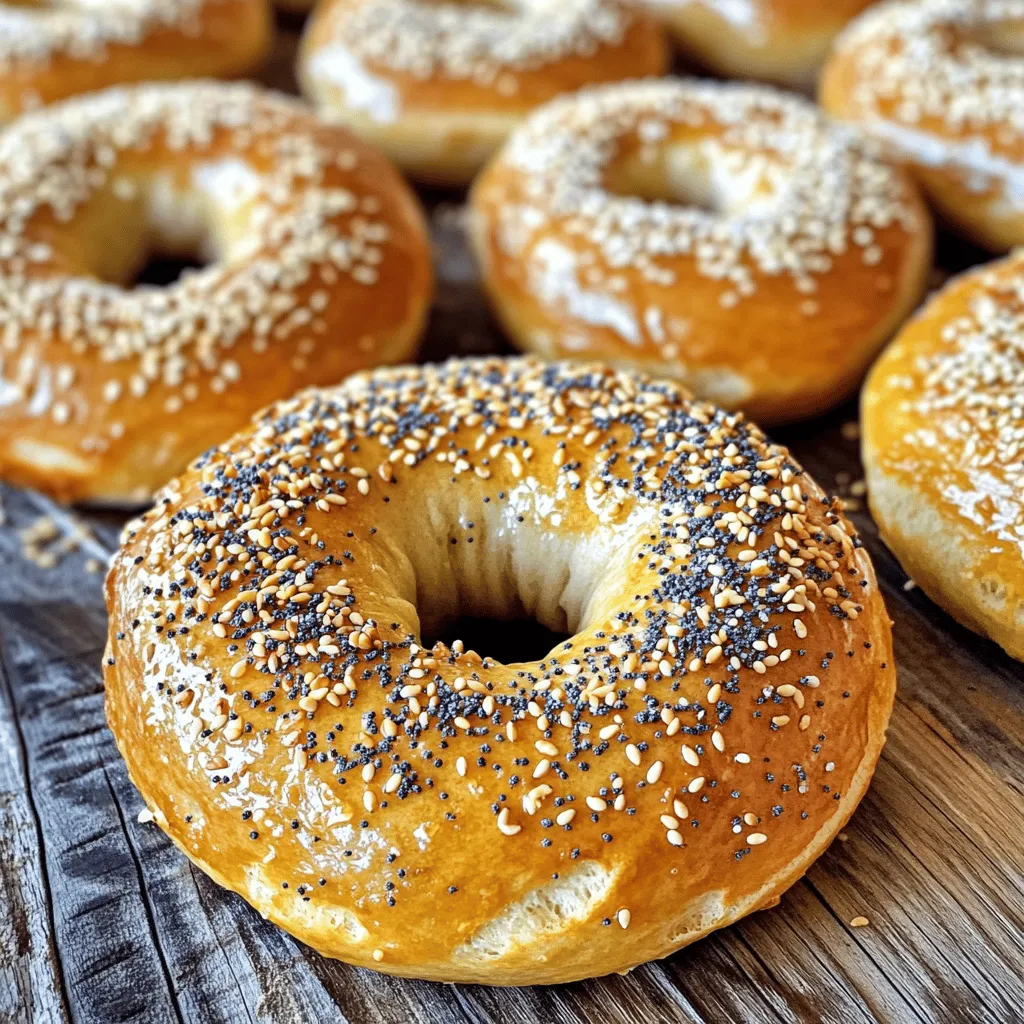
Homemade Bagels Simple and Delicious Recipe Guide

Are you ready to bake some of the best homemade bagels you’ve ever had? With just a few simple ingredients and easy steps, you can create your own chewy, delicious bagels right in your kitchen. This guide covers everything from activating yeast to the perfect boil and bake. You’ll even find tips for fun flavor twists and storage tips. Let’s dive into the art of bagel making together!
Ingredients
Essential Ingredients for Homemade Bagels
To make tasty bagels at home, you need these key ingredients:
– 4 cups bread flour
– 1 packet (2 ¼ teaspoons) active dry yeast
– 1 ½ cups warm water (about 110°F/45°C)
– 2 tablespoons granulated sugar
– 2 teaspoons salt
– 2 tablespoons honey (for boiling)
– Assorted toppings (like sesame seeds or everything bagel seasoning)
These ingredients work together to create bagels that are soft inside and chewy outside. Bread flour gives them structure. Yeast helps them rise. Warm water activates the yeast. Sugar feeds the yeast and adds a hint of sweetness. Salt brings out the flavors. Honey helps with the boiling process and adds a touch of flavor. Finally, toppings add crunch and taste.
Optional Ingredients for Flavor Variations
You can also add these optional ingredients to mix things up:
– Garlic powder
– Onion powder
– Cheese
– Fresh herbs
If you love garlic or onion, sprinkle some powder into the dough. Cheese adds a rich taste. Fresh herbs bring in a burst of flavor. These fun additions let you create bagels that suit your fancy. Want a unique twist? Try a blend of toppings for a flavor explosion.
Step-by-Step Instructions
Activating the Yeast
Start by mixing warm water, yeast, and sugar in a small bowl. You want the water to be about 110°F (45°C). Stir gently and let it sit for 5-10 minutes. This waiting time helps the yeast froth up, showing it is ready to work. If you see bubbles forming, you know your yeast is active and good to go!
Preparing the Dough
In a large mixing bowl, sift together the bread flour and salt. This step ensures an even mix. Make a well in the center, and pour in the frothy yeast mixture. Stir with a wooden spoon until the dough becomes shaggy. Then, transfer it onto a lightly floured surface. Knead the dough with your hands for about 10 minutes. You want it smooth and elastic. If it sticks, add a bit more flour.
First Rise
Next, lightly grease a large bowl with oil or cooking spray. Place the kneaded dough inside the bowl. Cover it with a damp cloth or plastic wrap. Let it rise in a warm place for about 1 hour. The dough should double in size during this time.
Shaping the Bagels
Once the dough has risen, gently punch it down to release any air trapped inside. Now, divide the dough into 8 equal parts. Roll each piece into a ball. Use your finger to poke a hole in the center of each ball, shaping it into a bagel. Make sure the hole is big enough, as it will shrink during cooking.
Boiling the Bagels
Fill a large pot with water and bring it to a gentle boil. Add honey to the water, stirring it in well. Carefully place the bagels in the boiling water, making sure they don’t stick together. Boil each side for 1-2 minutes. This step helps create that classic chewy bagel texture. Once boiled, use a slotted spoon to remove them and place them on a greased baking sheet.
Baking the Bagels
Preheat your oven to 425°F (220°C). While the bagels are still wet, sprinkle your choice of toppings over them. This helps the toppings stick. Place the baking sheet in the oven and bake for 20-25 minutes. Look for a golden brown color and a lovely aroma. After baking, let the bagels cool on a wire rack. This cooling step helps them firm up before you enjoy your delicious homemade bagels.
Tips & Tricks
Perfecting Texture and Flavor
Boiling is key to great bagels. This step gives them that unique chew. The honey in the boiling water adds flavor and shine. Adjust the water temperature to about 110°F. This warmth helps activate the yeast. Yeast loves warmth and needs it to grow well.
Common Mistakes to Avoid
One mistake is over-kneading the dough. Knead until smooth, about 10 minutes. Too much kneading can make bagels tough. Also, do not skip the rise time. Let the dough rise until it doubles. Rushing this step will lead to dense bagels.
Presentation and Serving Suggestions
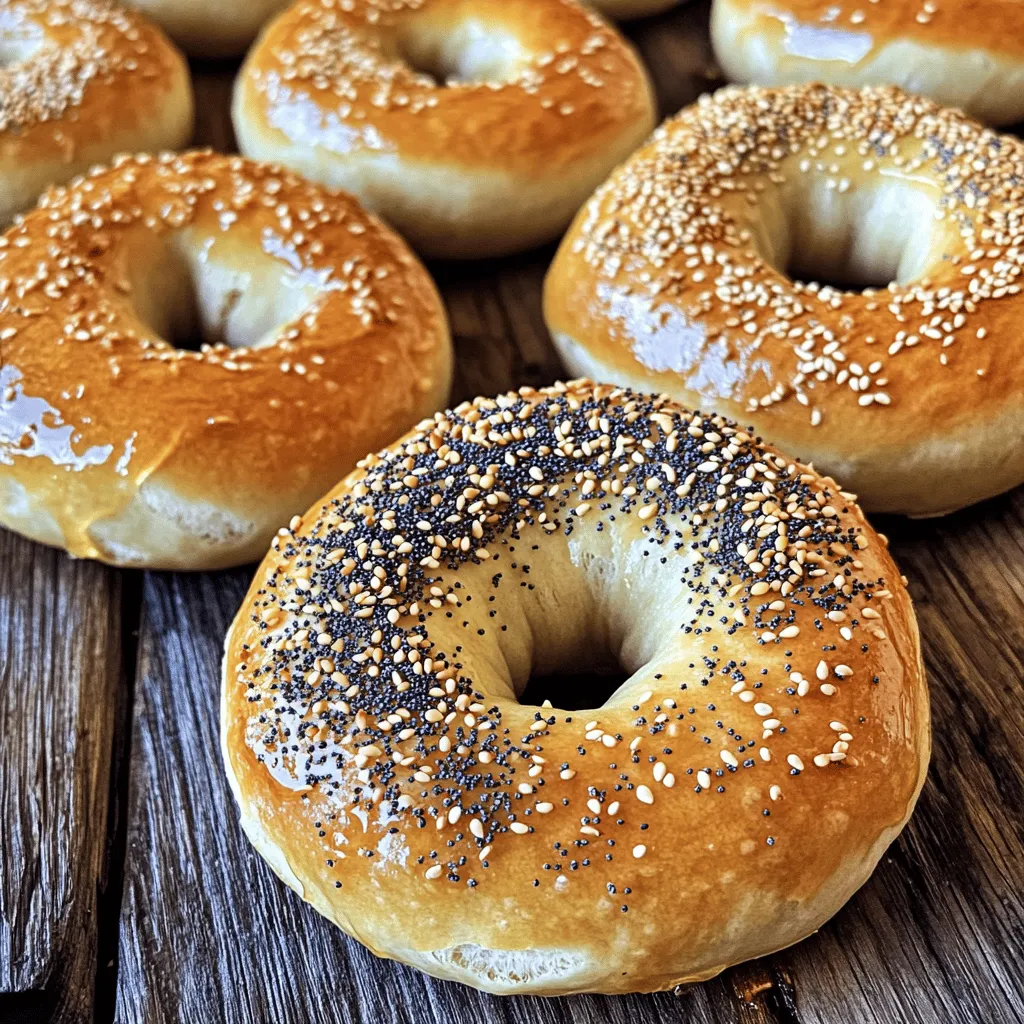
You can get creative with toppings. Sesame seeds, poppy seeds, and everything seasoning are popular. Try adding garlic or onion powder for extra flavor. For serving, pair bagels with spreads like cream cheese or butter. Sliced bagels topped with smoked salmon are a classic.
Variations
Flavor Variations
You can make your bagels even more fun by adding flavors.
– Everything bagel seasoning: This mix contains sesame seeds, poppy seeds, garlic, and onion. It gives your bagels a savory crunch. Just sprinkle it on right after boiling.
– Sweet bagels: If you like sweet treats, try a cinnamon sugar mix. Combine sugar and cinnamon, then coat your bagels before baking. It makes for a delightful breakfast or snack.
Gluten-Free Bagel Recipe
Do you need gluten-free bagels? You can make them by swapping out the flour.
– Substituting flour types: Use a gluten-free blend that is meant for bread. These blends often have a mix of flours and starches to mimic bread flour.
– Adjusting measurements: Gluten-free dough may need more liquid. Start with the same water amount, then add more as needed. Aim for a smooth, pliable dough.
Vegan Bagel Options
Making vegan bagels is simple and tasty!
– Non-dairy alternatives: Use almond milk or soy milk instead of regular milk. You can also replace honey with maple syrup or agave nectar for that sweet touch.
– Egg substitutes: If your recipe calls for eggs, use flaxseed meal or chia seeds. Mix one tablespoon of either with three tablespoons of water. Let it sit for a few minutes to thicken, then add it to your dough.
These variations will help you create unique bagels for everyone to enjoy. Try mixing and matching flavors to find your favorite!
Storage Info
Best Practices for Storing Bagels
To keep your homemade bagels fresh, store them properly. You can keep bagels at room temperature for a short time. Use a clean cloth to wrap them. This keeps them soft, but only for a day or two. If you want to save them longer, it’s best to use the fridge. However, the fridge can dry them out. So, always use airtight containers. This method helps keep them moist and fresh for about a week.
Freezing Bagels
Freezing bagels is a great way to keep them tasty. Start by letting them cool completely. Once cool, place each bagel in a freezer bag. Remove as much air as you can. This prevents freezer burn. You can freeze bagels for up to three months. When you want to enjoy a bagel, take one out. Let it thaw at room temperature for about 30 minutes. For a warm treat, pop it in the toaster or oven. Heat it for around 5-10 minutes at 350°F (175°C) for a fresh, chewy bite. Enjoy your bagels again with your favorite toppings!
FAQs
How long do homemade bagels last?
Homemade bagels stay fresh for about 2 to 3 days. Store them at room temperature in a paper bag. This keeps them soft without making them soggy. If you want to keep them longer, freeze them. Place them in a freezer bag to avoid freezer burn. When you want to eat them, just toast or warm them up.
Can I make bagels without yeast?
Yes, you can make bagels without yeast. You can use baking powder instead. This makes a quick version of bagels. Mix flour, baking powder, salt, and yogurt. Knead it, shape it, and bake. They won’t taste the same but will still be tasty.
Why are my bagels not chewy?
Bagels may not be chewy for a few reasons. First, they might not have boiled long enough. Boiling helps give bagels their chewy texture. Second, using all-purpose flour instead of bread flour can change the texture. Bread flour has more protein, which helps with chewiness. Lastly, under-kneading the dough can also make them soft. Make sure to knead well until the dough is smooth.
How do I get shiny bagels?
To get shiny bagels, boil them in water with honey. Honey helps create a nice glaze. Boil each bagel for 1 to 2 minutes on each side. After boiling, place them directly on the baking sheet. Bake them until golden brown. This gives you that beautiful shine and crust.
You learned how to make delicious homemade bagels step by step. Start with key ingredients like bread flour and yeast. Activating the yeast ensures good rise, while boiling gives bagels that great chewy texture. I shared tips to perfect the flavor and avoid common mistakes. You can try fun variations, too, like gluten-free or sweet bagels. Proper storage keeps your bagels fresh longer. Now, it’s time to enjoy your bagels, share them with friends, and experiment with new flavors!

![To create this vibrant salad, gather these fresh ingredients: - 1 medium zucchini, sliced into half-moons - 1 bell pepper (red or yellow for sweetness), chopped into bite-sized pieces - 1 small eggplant, diced into uniform cubes - 1 cup cherry tomatoes, halved for a burst of sweetness - 1 red onion, cut into wedges for flavor - 3 tablespoons balsamic vinegar for a tangy kick - 2 tablespoons extra-virgin olive oil for richness - 1 tablespoon honey to balance the acidity - Sea salt and freshly cracked pepper to taste - 1 teaspoon dried oregano for an aromatic touch - 1 cup mixed greens (arugula, spinach, or your favorites) - ¼ cup feta cheese, crumbled (optional, for creaminess) - Fresh basil leaves for a fragrant garnish Not all ingredients need to be set in stone. Here are some smart swaps: - Use yellow squash instead of zucchini. The texture remains similar. - Any color bell pepper works well; green adds a more bitter taste. - Swap eggplant for mushrooms for a different texture and flavor. - Try different vinegars, like red wine vinegar, if balsamic is not available. - Maple syrup can replace honey for a vegan option. - For a dairy-free choice, omit feta cheese or use a vegan alternative. Choosing the right veggies makes a big difference. Here’s how to select the best: - Look for firm zucchini with shiny, smooth skin. Avoid soft spots. - Choose bell peppers that feel heavy and have smooth skin. - For eggplant, pick ones that are shiny and feel heavy for their size. - Cherry tomatoes should be plump and free from blemishes. - Pick red onions that are firm and have a vibrant color. - Visit local farmers' markets for the freshest produce whenever possible. These small choices can bring your Balsamic Roasted Vegetable Salad to life. For the complete recipe, check the [Full Recipe]. First, set your oven to 425°F (220°C). This high heat helps the veggies roast nicely. While the oven heats, grab a large mixing bowl. Add your sliced zucchini, chopped bell pepper, diced eggplant, halved cherry tomatoes, and red onion wedges. Mix them well. This step ensures every bite is packed with flavor. Next, take a small bowl. In it, combine 3 tablespoons of balsamic vinegar, 2 tablespoons of extra-virgin olive oil, and 1 tablespoon of honey. Add a pinch of sea salt and freshly cracked pepper. Finally, mix in 1 teaspoon of dried oregano. Whisk these ingredients together until smooth. This vinaigrette will bring a tangy and sweet kick to your salad. Now, line a baking sheet with parchment paper. Spread your mixed vegetables in a single layer. Make sure they are not crowded, as this helps them roast evenly. Place the baking sheet in the oven and roast for 20-25 minutes. Stir the vegetables halfway through. This mix ensures they cook evenly and get that lovely caramelization. Once the veggies are tender and golden, take them out and let them cool for a few minutes. In a large serving bowl, add your fresh mixed greens. Then, toss in the roasted vegetables. Gently mix until the greens and vegetables blend well. If you like, sprinkle ¼ cup of crumbled feta on top. Finally, add fresh basil leaves for a fragrant touch. Enjoy your colorful and tasty salad! For the full recipe, check out the details provided above. To get the best flavor, cut your vegetables into similar sizes. This step helps them roast evenly. Place them in a single layer on the baking sheet. Crowding the pan can cause steaming instead of roasting. Stir the vegetables halfway through cooking. This simple action helps them brown nicely on all sides. Always dress your salad right before serving. This keeps the greens fresh and crunchy. Use just enough dressing to coat the veggies. A light touch prevents sogginess. When mixing, toss gently to avoid bruising the greens. If you prefer more flavor, add more balsamic vinegar or a splash of lemon juice. Fresh herbs can elevate your salad. Try adding chopped parsley or cilantro for a fresh twist. You can also add a pinch of red pepper flakes for a kick. Experiment with spices like cumin or paprika for unique flavors. These additions can make your salad truly special and memorable. {{image_4}} You can mix and match veggies to suit your taste. Try adding carrots for sweetness or broccoli for crunch. Swap in asparagus for a fresh twist. You can even use sweet potatoes for a hearty base. The options are endless! Each veggie brings its own flavor and texture. You can create a new salad every time. Want to make this salad filling? Add proteins like grilled chicken or shrimp. Chickpeas or black beans also work well for plant-based options. They boost the protein without altering the salad's great taste. If you want a creamy touch, add avocado slices. These options turn your salad into a complete meal. This salad is easy to make vegan and gluten-free. Just skip the feta cheese or use a plant-based alternative. Use gluten-free grains like quinoa for added texture. You can also mix in nuts or seeds for crunch. These simple swaps keep your salad tasty while meeting dietary needs. Enjoy the fresh flavors without worry! For the full recipe, check out the Balsamic Roasted Vegetable Salad. Store leftover Balsamic Roasted Vegetable Salad in an airtight container. Make sure the salad is cool before sealing it. This keeps the flavors fresh and prevents sogginess. Try to eat the leftovers within three days for the best taste. I recommend using glass containers for storing your salad. Glass is non-reactive and helps keep the food fresh longer. If you prefer plastic, choose BPA-free containers. Make sure they fit your salad snugly to limit air exposure. To reheat roasted vegetables, place them on a baking sheet. Heat your oven to 350°F (175°C) and roast for about 10-15 minutes. This keeps the veggies crispy and warm. You can also reheat them in a skillet over medium heat for a few minutes. Just stir often to avoid burning. If you want to add a little moisture, a splash of balsamic vinegar can help revive the flavors. Enjoy your meal! Yes, you can make this salad ahead. Roast the veggies and prepare the salad. Keep the roasted veggies and greens separate. Store them in the fridge. Mix them just before serving for the best taste and texture. Mixed greens work great with roasted veggies. I love using arugula, spinach, or kale. They add crunch and a fresh taste. You can choose any greens you enjoy. Just pick ones that won’t wilt fast. Balsamic roasted vegetables last about 3 to 5 days in the fridge. Store them in an airtight container. The flavors will deepen over time, making them even tastier. Just reheat them before serving for a warm dish. You can use frozen vegetables, but fresh is best. Frozen veggies may release more water while cooking. If using frozen, roast them a bit longer. This helps them get nice and crispy. Balsamic roasted vegetable salad is easy and fun to make. We covered the ingredients, step-by-step instructions, and tips for the best results. You can customize this salad with different veggies or proteins. Proper storage keeps leftovers fresh, and I shared FAQs to answer common questions. Try this salad for a tasty and healthy meal. Enjoy making it your own!](https://goldendishy.com/wp-content/uploads/2025/06/26f5156f-9b75-49f6-aa69-260bfc3a782d-768x768.webp)


![- 2 medium zucchinis, grated - 1 cup feta cheese, crumbled - 1/2 cup all-purpose flour - 1 teaspoon salt - 1/2 teaspoon black pepper - 1/2 teaspoon garlic powder - 1/2 cup fresh dill, chopped - 1/2 cup green onions, finely chopped - 2 large eggs - Olive oil, for frying To make Greek zucchini fritters, you need fresh and simple ingredients. Start with two medium zucchinis. Grate them finely and set them aside. This step is crucial because zucchini holds a lot of water. Next, grab a cup of feta cheese. Crumble it into small pieces to add a salty, creamy punch. You will also need half a cup of all-purpose flour. This helps bind the fritters together. For seasoning, use one teaspoon of salt, half a teaspoon of black pepper, and half a teaspoon of garlic powder. This mixture will give your fritters a nice flavor. Don’t forget the herbs! A half cup of fresh dill and a half cup of finely chopped green onions add freshness. Finally, you need two large eggs to hold everything together. For frying, have olive oil on hand. These ingredients come together to create a dish that is tasty and simple. For the full recipe, check the detailed instructions. First, grate the zucchinis into a large bowl. Sprinkle 1 teaspoon of salt over the grated zucchini. Let it rest for about 10 minutes. This step helps pull out moisture from the zucchini, which is key for great fritters. After 10 minutes, take a clean kitchen towel. Wrap the zucchini and squeeze it gently. Remove as much liquid as you can. This makes the fritters crispier. In another bowl, mix the squeezed zucchini with crumbled feta cheese, chopped dill, and finely chopped green onions. Add the flour, eggs, black pepper, and garlic powder. Stir everything well until you have a smooth batter. Now, heat about 1/4 inch of olive oil in a skillet over medium heat. The oil should be hot enough that a small drop of batter sizzles when added. Using a spoon, drop spoonfuls of the batter into the hot oil. Flatten each fritter slightly with the back of the spoon. Be careful not to overcrowd the pan; fry in batches if needed. Cook for about 3-4 minutes on each side. You want them to be golden brown and crispy. Once done, place the fritters on a plate lined with paper towels to soak up extra oil. Serve them warm. For extra flavor, top with more crumbled feta and a dollop of Greek yogurt or tzatziki sauce. Enjoy your tasty Greek Zucchini Fritters! For the full recipe, check [Full Recipe]. To make great Greek zucchini fritters, start by squeezing out excess moisture from the grated zucchini. After salting, let the zucchini sit for ten minutes. This helps draw out the water. Next, use a clean towel to squeeze the zucchini until it feels dry. If you skip this step, the fritters might turn out soggy. Adjust cooking time for crispiness. Fry the fritters for three to four minutes on each side. If your fritters are not crispy, try increasing the heat slightly. But be careful! Too high a heat can burn them. Garnishing can elevate your fritters. Try crumbled feta cheese on top. Fresh dill adds a nice touch too. A dollop of Greek yogurt or tzatziki sauce pairs perfectly. These add creaminess and flavor. For side dishes, think about serving a light salad. A fresh cucumber salad or a simple tomato salad works well. These sides balance the rich flavors of the fritters. Using the right frying pan is key. A non-stick skillet helps with even cooking. It also makes flipping the fritters easier. For shaping and flipping, have a spatula handy. A spoon works well for dropping the batter into the oil. If you want uniform fritters, use an ice cream scoop. This helps you get the same size every time. For the full recipe, check out the details above. Enjoy your cooking! {{image_4}} You can switch up the cheese in your fritters. Goat cheese adds a tangy flavor that pairs well with zucchini. If you want a milder taste, use mozzarella. Fresh herbs can also change the taste. Adding parsley gives a fresh touch, while mint adds a sweet note. Experiment with both for a unique twist! You can bake your fritters instead of frying them. This method cuts down the oil and keeps them light. Preheat your oven to 400°F (200°C). Place the fritters on a baking sheet and lightly spray them with oil. Bake for around 20 minutes, flipping halfway for an even cook. If you own an air fryer, use it for a crispier finish. Set your air fryer to 375°F (190°C). Cook the fritters in a single layer for about 10 minutes. Shake the basket halfway through to ensure they cook evenly. Serve your fritters on a bed of fresh salad. This adds crunch and freshness to your meal. You can top them with diced tomatoes, cucumber, and a drizzle of olive oil. Pair your fritters with different dipping sauces. Tzatziki is a classic choice, but you can try a spicy yogurt dip or a sweet chili sauce. These sauces will elevate the flavors and make your dish even more enjoyable. For the full recipe, check out the complete guide on Greek Zucchini Fritters! To store your Greek zucchini fritters, first let them cool completely. Place them in an airtight container. This keeps them fresh and tasty. Refrigerate the fritters for up to three days. If you want to keep them longer, freezing is a great option. To reheat your fritters, use an oven or skillet. Preheat your oven to 350°F (175°C). Place the fritters on a baking sheet for about 10 minutes. This will keep them crispy. If you use a skillet, add a bit of olive oil. Heat on medium until they are warm and crispy. Avoid microwaving, as this can make them soggy. You can freeze the fritters before or after cooking. To freeze before cooking, shape the fritters and place them on a baking sheet. Freeze them for about an hour. Then, transfer them to a freezer bag. To freeze after cooking, let them cool completely first. Then, store them in an airtight container. For thawing, place them in the fridge overnight. Reheat them in the oven or skillet for best results. Enjoy your Greek zucchini fritters any time! For the complete recipe, check the Full Recipe. To keep your zucchini fritters from falling apart, you must remove excess moisture. Grate the zucchinis and sprinkle them with salt. Let them rest for about 10 minutes. This helps draw out water. Afterward, use a clean towel to squeeze out the liquid. The drier the zucchini, the better the fritters will hold together. Next, bind the mixture well. Use enough flour and eggs to hold everything together. The flour acts as a glue, while the eggs provide structure. If your batter feels too loose, add a bit more flour until it thickens. Yes, you can make the batter ahead of time. Store it in the fridge for up to two hours. This way, you save time when you are ready to fry. Just remember that fresh batter is best for frying. If you wait too long, the zucchini may release more moisture. Give the batter a quick stir before cooking. Greek zucchini fritters are great with several sides. You can serve them with Greek yogurt or tzatziki sauce. These dips add a cool and creamy contrast. A simple salad with tomatoes and cucumbers pairs well too. For a heartier meal, try serving them with grilled chicken or lamb. To make gluten-free zucchini fritters, swap the all-purpose flour for a gluten-free flour blend. You can also use almond flour or chickpea flour. These options work well and provide a nice flavor. Just keep in mind that different flours absorb moisture differently. You may need to adjust the amount based on your chosen flour. Start with the same amount and tweak as needed for the right batter consistency. For the best results, follow the Full Recipe for guidance. In this article, we explored making delicious Greek zucchini fritters. You learned about key ingredients, preparation steps, and helpful tips. I also shared variations to suit your taste and how to store leftovers. These fritters are easy to make and can be adjusted for different diets. Enjoy the tasty result and impress your family or friends. Happy cooking!](https://goldendishy.com/wp-content/uploads/2025/07/cb7a2661-c5f6-4b7c-b480-ad49d75e704d-768x768.webp)

