Classic Caesar Salad Fresh and Flavorful Recipe Guide
![A classic Caesar salad has a few key components. First, you need fresh romaine lettuce. It adds a nice crunch. Next, croutons bring texture and flavor. You can buy them or make your own. Parmesan cheese gives a rich taste. The dressing is vital too. You need mayonnaise, Dijon mustard, and lemon juice. Garlic adds depth, while Worcestershire sauce is optional for extra flavor. Don't forget salt and pepper to enhance everything. You can add other ingredients to make your Caesar salad special. Grilled chicken or shrimp makes it a full meal. Avocado adds creaminess. For a twist, try capers or anchovies. They give a salty kick. Fresh herbs like parsley or basil can brighten the salad. These options let you customize your dish to your taste. If you're missing an ingredient, don’t worry! You can use Greek yogurt instead of mayonnaise for a lighter dressing. If you don’t have Dijon mustard, regular mustard works too. For cheese, try Pecorino Romano if you can't find Parmesan. If you're out of Worcestershire sauce, soy sauce can be a good substitute. These swaps keep your salad tasty and fresh. For the complete recipe, check out the Full Recipe. To start, you need to make the dressing. In a medium bowl, whisk together these ingredients: - 1/4 cup mayonnaise - 2 tablespoons Dijon mustard - 2 tablespoons fresh lemon juice - 1 teaspoon Worcestershire sauce (optional) - 1 clove garlic, minced - Salt and freshly cracked black pepper Mix until smooth and creamy. The dressing should have a nice tang from the lemon and mustard. Adjust the salt and pepper to your taste. If you like it zestier, add a bit more lemon juice. Next, grab a large bowl. Add the chopped romaine lettuce: - 1 large head of romaine lettuce, washed and chopped - A drizzle of olive oil Toss the lettuce gently to coat it with the oil. This step helps keep the leaves crisp. Now, pour the dressing over the lettuce and toss again. Make sure every leaf gets a good coating. Now, fold in the croutons and sprinkle: - 1 cup of croutons - 1/2 cup grated Parmesan cheese Be gentle here to keep the croutons crunchy. Taste the salad and adjust the seasoning if needed. Transfer the salad to a serving platter or individual bowls. For a nice touch, garnish with more Parmesan cheese and a sprinkle of black pepper. Serve it right away for the best crunch. If you want more ideas, try adding grilled chicken or shrimp for a heartier meal. Check out the Full Recipe for more tips! To get that perfect crunch, start with fresh romaine lettuce. Look for crisp, vibrant leaves. Wash them well, then chop them into bite-sized pieces. This helps each bite stay crunchy. Next, use good quality croutons. You can make your own by toasting bread with olive oil and garlic. This adds flavor and keeps them crunchy. Mix the croutons in just before serving. This way, they won’t get soggy. When applying dressing, less is more. Start with a small amount. Toss the salad gently to coat the leaves without bruising them. If the salad seems dry, add more dressing little by little. Always taste as you go. This lets you find the right balance for your flavor. Remember, the goal is to enhance the salad, not drown it. Taste is personal, so feel free to adjust. If you like it tangy, add more lemon juice or Dijon mustard. If you want it richer, add more Parmesan cheese. Salt and pepper are key too. A little extra can elevate the dish. Experiment with Worcestershire sauce for unique depth. This can give your salad a signature twist. {{image_4}} Adding grilled chicken or shrimp makes your Caesar salad hearty. Both options bring flavor and protein. For grilled chicken, season it with salt and pepper. Cook it until it is golden brown. Slice it thin and place it on top of your salad. For shrimp, sauté them in olive oil with garlic. Cook until they turn pink. Either choice takes your salad to the next level. If you want a veggie-packed salad, add more vegetables. Try diced bell peppers, cucumbers, or cherry tomatoes. These add crunch and freshness. You can also include roasted veggies like zucchini or asparagus for depth. This gives your Caesar salad a colorful twist. Each vegetable choice adds its own flavor, making it unique. Get creative with your ingredients for a fun twist. Consider adding avocado for creaminess. You can also sprinkle nuts like pine nuts or walnuts for crunch. Another option is to use different cheeses. Feta or blue cheese can change the flavor profile. Lastly, add a touch of hot sauce for some heat. Experimenting with these unique ingredients can make your Caesar salad exciting. For the full recipe, check out the [Full Recipe]. To keep your Classic Caesar Salad fresh, store it in the fridge. Place the salad in an airtight container. If you have leftover dressing, store it separately. This keeps the croutons crunchy and the lettuce crisp. Always add croutons just before serving. This way, they stay crunchy and not soggy. You can also wrap the lettuce in a damp paper towel. This helps the leaves stay fresh longer. When stored properly, Classic Caesar Salad lasts about 2 to 3 days. If the lettuce wilts or the croutons become soft, it’s best to toss it out. Always check for signs of spoilage before enjoying leftovers. A Caesar Salad stands out due to its unique dressing and ingredients. It typically includes romaine lettuce, croutons, and Parmesan cheese. The dressing is creamy, made with mayonnaise, mustard, lemon juice, garlic, and Worcestershire sauce. This mix gives the salad its rich flavor. The crunch of the croutons and the fresh lettuce create a delightful texture. Yes, you can make Caesar Dressing from scratch. It’s simple and rewarding. Just whisk together mayonnaise, Dijon mustard, lemon juice, garlic, and Worcestershire sauce. This homemade version tastes fresher than store-bought dressings. You can adjust flavors according to your taste. For a twist, add a bit of anchovy paste for a classic touch. Absolutely! A Caesar Salad can be made nut-free. Traditional recipes do not include nuts. Just focus on the core ingredients: romaine lettuce, croutons, and the creamy dressing. If you make your own croutons, ensure the bread you use is also nut-free. Everyone can enjoy this tasty salad without nuts. To make a Caesar Salad healthier, try these tips: - Use Greek yogurt instead of mayonnaise for the dressing. - Add more vegetables like cherry tomatoes or cucumbers for extra nutrients. - Use whole-grain croutons for more fiber. - Limit the cheese or use a lower-fat version. These changes keep the flavors while boosting the nutrition. You can find the full recipe for a Classic Caesar Salad here: Crispy Caesar Delight 🥗. This recipe guides you through making a fresh and flavorful salad that you will love. This blog post covers how to make a classic Caesar salad. We discussed key ingredients and tips for adding flavor. You learned how to prepare the dressing and toss the salad correctly. I shared storage info and answered common questions about Caesar salads. Keep experimenting with variations, whether adding protein or fresh veggies. Enjoy making your salad just right for you! Your perfect Caesar awaits.](https://goldendishy.com/wp-content/uploads/2025/06/57ecdae1-38df-4f5b-a4b6-710b22066cc6.webp)
Are you ready to master the Classic Caesar Salad? In this guide, I’ll walk you through each step to create fresh and flavorful perfection. From whipping up a creamy dressing to tossing crisp greens, you’ll find easy tips and tricks to elevate your salad. Whether you want to stick with tradition or add your unique twist, I’ll share options that will surprise and delight you. Let’s dive in!
Ingredients
Key Components of Classic Caesar Salad
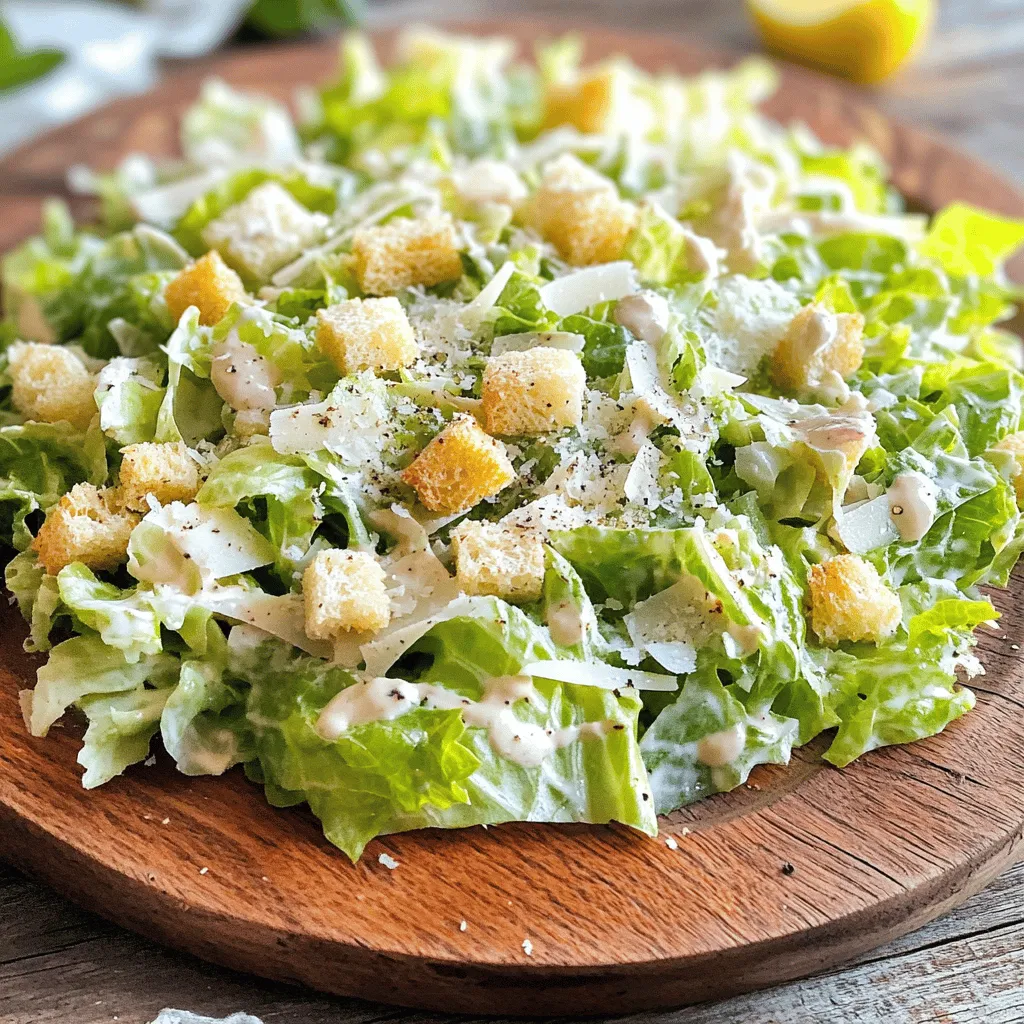
A classic Caesar salad has a few key components. First, you need fresh romaine lettuce. It adds a nice crunch. Next, croutons bring texture and flavor. You can buy them or make your own. Parmesan cheese gives a rich taste. The dressing is vital too. You need mayonnaise, Dijon mustard, and lemon juice. Garlic adds depth, while Worcestershire sauce is optional for extra flavor. Don’t forget salt and pepper to enhance everything.
Optional Ingredients for Enhanced Flavor
You can add other ingredients to make your Caesar salad special. Grilled chicken or shrimp makes it a full meal. Avocado adds creaminess. For a twist, try capers or anchovies. They give a salty kick. Fresh herbs like parsley or basil can brighten the salad. These options let you customize your dish to your taste.
Ingredient Substitutions
If you’re missing an ingredient, don’t worry! You can use Greek yogurt instead of mayonnaise for a lighter dressing. If you don’t have Dijon mustard, regular mustard works too. For cheese, try Pecorino Romano if you can’t find Parmesan. If you’re out of Worcestershire sauce, soy sauce can be a good substitute. These swaps keep your salad tasty and fresh.
Step-by-Step Instructions
Preparing the Dressing
To start, you need to make the dressing. In a medium bowl, whisk together these ingredients:
– 1/4 cup mayonnaise
– 2 tablespoons Dijon mustard
– 2 tablespoons fresh lemon juice
– 1 teaspoon Worcestershire sauce (optional)
– 1 clove garlic, minced
– Salt and freshly cracked black pepper
Mix until smooth and creamy. The dressing should have a nice tang from the lemon and mustard. Adjust the salt and pepper to your taste. If you like it zestier, add a bit more lemon juice.
Tossing the Salad
Next, grab a large bowl. Add the chopped romaine lettuce:
– 1 large head of romaine lettuce, washed and chopped
– A drizzle of olive oil
Toss the lettuce gently to coat it with the oil. This step helps keep the leaves crisp. Now, pour the dressing over the lettuce and toss again. Make sure every leaf gets a good coating.
Now, fold in the croutons and sprinkle:
– 1 cup of croutons
– 1/2 cup grated Parmesan cheese
Be gentle here to keep the croutons crunchy. Taste the salad and adjust the seasoning if needed.
Serving Suggestions
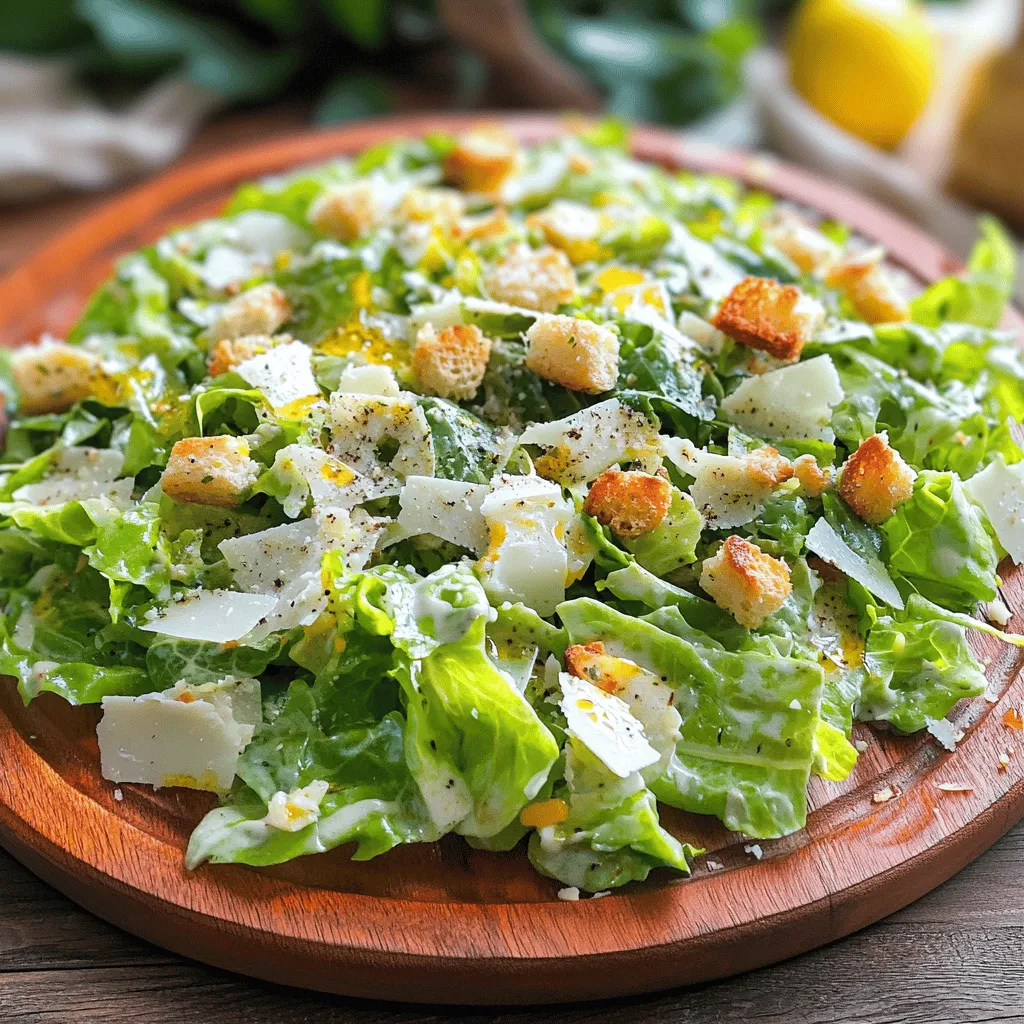
Transfer the salad to a serving platter or individual bowls. For a nice touch, garnish with more Parmesan cheese and a sprinkle of black pepper. Serve it right away for the best crunch. If you want more ideas, try adding grilled chicken or shrimp for a heartier meal.
Tips & Tricks
Achieving the Perfect Crunch
To get that perfect crunch, start with fresh romaine lettuce. Look for crisp, vibrant leaves. Wash them well, then chop them into bite-sized pieces. This helps each bite stay crunchy. Next, use good quality croutons. You can make your own by toasting bread with olive oil and garlic. This adds flavor and keeps them crunchy. Mix the croutons in just before serving. This way, they won’t get soggy.
Best Practices for Dressing Application
When applying dressing, less is more. Start with a small amount. Toss the salad gently to coat the leaves without bruising them. If the salad seems dry, add more dressing little by little. Always taste as you go. This lets you find the right balance for your flavor. Remember, the goal is to enhance the salad, not drown it.
Adjusting Flavors to Taste
Taste is personal, so feel free to adjust. If you like it tangy, add more lemon juice or Dijon mustard. If you want it richer, add more Parmesan cheese. Salt and pepper are key too. A little extra can elevate the dish. Experiment with Worcestershire sauce for unique depth. This can give your salad a signature twist.
Variations
Classic Additions: Grilled Chicken or Shrimp
Adding grilled chicken or shrimp makes your Caesar salad hearty. Both options bring flavor and protein. For grilled chicken, season it with salt and pepper. Cook it until it is golden brown. Slice it thin and place it on top of your salad. For shrimp, sauté them in olive oil with garlic. Cook until they turn pink. Either choice takes your salad to the next level.
Vegetarian Options: Additional Vegetables
If you want a veggie-packed salad, add more vegetables. Try diced bell peppers, cucumbers, or cherry tomatoes. These add crunch and freshness. You can also include roasted veggies like zucchini or asparagus for depth. This gives your Caesar salad a colorful twist. Each vegetable choice adds its own flavor, making it unique.
Creative Twists: Unique Ingredients to Try
Get creative with your ingredients for a fun twist. Consider adding avocado for creaminess. You can also sprinkle nuts like pine nuts or walnuts for crunch. Another option is to use different cheeses. Feta or blue cheese can change the flavor profile. Lastly, add a touch of hot sauce for some heat. Experimenting with these unique ingredients can make your Caesar salad exciting.
Storage Info
Proper Storage for Leftovers
To keep your Classic Caesar Salad fresh, store it in the fridge. Place the salad in an airtight container. If you have leftover dressing, store it separately. This keeps the croutons crunchy and the lettuce crisp.
Best Practices for Freshness
Always add croutons just before serving. This way, they stay crunchy and not soggy. You can also wrap the lettuce in a damp paper towel. This helps the leaves stay fresh longer.
How Long Does Classic Caesar Salad Last?
When stored properly, Classic Caesar Salad lasts about 2 to 3 days. If the lettuce wilts or the croutons become soft, it’s best to toss it out. Always check for signs of spoilage before enjoying leftovers.
FAQs
What makes a salad a “Caesar Salad”?
A Caesar Salad stands out due to its unique dressing and ingredients. It typically includes romaine lettuce, croutons, and Parmesan cheese. The dressing is creamy, made with mayonnaise, mustard, lemon juice, garlic, and Worcestershire sauce. This mix gives the salad its rich flavor. The crunch of the croutons and the fresh lettuce create a delightful texture.
Can I make Caesar Dressing from Scratch?
Yes, you can make Caesar Dressing from scratch. It’s simple and rewarding. Just whisk together mayonnaise, Dijon mustard, lemon juice, garlic, and Worcestershire sauce. This homemade version tastes fresher than store-bought dressings. You can adjust flavors according to your taste. For a twist, add a bit of anchovy paste for a classic touch.
Is nut-free Caesar Salad possible?
Absolutely! A Caesar Salad can be made nut-free. Traditional recipes do not include nuts. Just focus on the core ingredients: romaine lettuce, croutons, and the creamy dressing. If you make your own croutons, ensure the bread you use is also nut-free. Everyone can enjoy this tasty salad without nuts.
How to make Caesar Salad healthier?
To make a Caesar Salad healthier, try these tips:
– Use Greek yogurt instead of mayonnaise for the dressing.
– Add more vegetables like cherry tomatoes or cucumbers for extra nutrients.
– Use whole-grain croutons for more fiber.
– Limit the cheese or use a lower-fat version.
These changes keep the flavors while boosting the nutrition.This recipe guides you through making a fresh and flavorful salad that you will love.
This blog post covers how to make a classic Caesar salad. We discussed key ingredients and tips for adding flavor. You learned how to prepare the dressing and toss the salad correctly. I shared storage info and answered common questions about Caesar salads.
Keep experimenting with variations, whether adding protein or fresh veggies. Enjoy making your salad just right for you! Your perfect Caesar awaits.
![A classic Caesar salad has a few key components. First, you need fresh romaine lettuce. It adds a nice crunch. Next, croutons bring texture and flavor. You can buy them or make your own. Parmesan cheese gives a rich taste. The dressing is vital too. You need mayonnaise, Dijon mustard, and lemon juice. Garlic adds depth, while Worcestershire sauce is optional for extra flavor. Don't forget salt and pepper to enhance everything. You can add other ingredients to make your Caesar salad special. Grilled chicken or shrimp makes it a full meal. Avocado adds creaminess. For a twist, try capers or anchovies. They give a salty kick. Fresh herbs like parsley or basil can brighten the salad. These options let you customize your dish to your taste. If you're missing an ingredient, don’t worry! You can use Greek yogurt instead of mayonnaise for a lighter dressing. If you don’t have Dijon mustard, regular mustard works too. For cheese, try Pecorino Romano if you can't find Parmesan. If you're out of Worcestershire sauce, soy sauce can be a good substitute. These swaps keep your salad tasty and fresh. For the complete recipe, check out the Full Recipe. To start, you need to make the dressing. In a medium bowl, whisk together these ingredients: - 1/4 cup mayonnaise - 2 tablespoons Dijon mustard - 2 tablespoons fresh lemon juice - 1 teaspoon Worcestershire sauce (optional) - 1 clove garlic, minced - Salt and freshly cracked black pepper Mix until smooth and creamy. The dressing should have a nice tang from the lemon and mustard. Adjust the salt and pepper to your taste. If you like it zestier, add a bit more lemon juice. Next, grab a large bowl. Add the chopped romaine lettuce: - 1 large head of romaine lettuce, washed and chopped - A drizzle of olive oil Toss the lettuce gently to coat it with the oil. This step helps keep the leaves crisp. Now, pour the dressing over the lettuce and toss again. Make sure every leaf gets a good coating. Now, fold in the croutons and sprinkle: - 1 cup of croutons - 1/2 cup grated Parmesan cheese Be gentle here to keep the croutons crunchy. Taste the salad and adjust the seasoning if needed. Transfer the salad to a serving platter or individual bowls. For a nice touch, garnish with more Parmesan cheese and a sprinkle of black pepper. Serve it right away for the best crunch. If you want more ideas, try adding grilled chicken or shrimp for a heartier meal. Check out the Full Recipe for more tips! To get that perfect crunch, start with fresh romaine lettuce. Look for crisp, vibrant leaves. Wash them well, then chop them into bite-sized pieces. This helps each bite stay crunchy. Next, use good quality croutons. You can make your own by toasting bread with olive oil and garlic. This adds flavor and keeps them crunchy. Mix the croutons in just before serving. This way, they won’t get soggy. When applying dressing, less is more. Start with a small amount. Toss the salad gently to coat the leaves without bruising them. If the salad seems dry, add more dressing little by little. Always taste as you go. This lets you find the right balance for your flavor. Remember, the goal is to enhance the salad, not drown it. Taste is personal, so feel free to adjust. If you like it tangy, add more lemon juice or Dijon mustard. If you want it richer, add more Parmesan cheese. Salt and pepper are key too. A little extra can elevate the dish. Experiment with Worcestershire sauce for unique depth. This can give your salad a signature twist. {{image_4}} Adding grilled chicken or shrimp makes your Caesar salad hearty. Both options bring flavor and protein. For grilled chicken, season it with salt and pepper. Cook it until it is golden brown. Slice it thin and place it on top of your salad. For shrimp, sauté them in olive oil with garlic. Cook until they turn pink. Either choice takes your salad to the next level. If you want a veggie-packed salad, add more vegetables. Try diced bell peppers, cucumbers, or cherry tomatoes. These add crunch and freshness. You can also include roasted veggies like zucchini or asparagus for depth. This gives your Caesar salad a colorful twist. Each vegetable choice adds its own flavor, making it unique. Get creative with your ingredients for a fun twist. Consider adding avocado for creaminess. You can also sprinkle nuts like pine nuts or walnuts for crunch. Another option is to use different cheeses. Feta or blue cheese can change the flavor profile. Lastly, add a touch of hot sauce for some heat. Experimenting with these unique ingredients can make your Caesar salad exciting. For the full recipe, check out the [Full Recipe]. To keep your Classic Caesar Salad fresh, store it in the fridge. Place the salad in an airtight container. If you have leftover dressing, store it separately. This keeps the croutons crunchy and the lettuce crisp. Always add croutons just before serving. This way, they stay crunchy and not soggy. You can also wrap the lettuce in a damp paper towel. This helps the leaves stay fresh longer. When stored properly, Classic Caesar Salad lasts about 2 to 3 days. If the lettuce wilts or the croutons become soft, it’s best to toss it out. Always check for signs of spoilage before enjoying leftovers. A Caesar Salad stands out due to its unique dressing and ingredients. It typically includes romaine lettuce, croutons, and Parmesan cheese. The dressing is creamy, made with mayonnaise, mustard, lemon juice, garlic, and Worcestershire sauce. This mix gives the salad its rich flavor. The crunch of the croutons and the fresh lettuce create a delightful texture. Yes, you can make Caesar Dressing from scratch. It’s simple and rewarding. Just whisk together mayonnaise, Dijon mustard, lemon juice, garlic, and Worcestershire sauce. This homemade version tastes fresher than store-bought dressings. You can adjust flavors according to your taste. For a twist, add a bit of anchovy paste for a classic touch. Absolutely! A Caesar Salad can be made nut-free. Traditional recipes do not include nuts. Just focus on the core ingredients: romaine lettuce, croutons, and the creamy dressing. If you make your own croutons, ensure the bread you use is also nut-free. Everyone can enjoy this tasty salad without nuts. To make a Caesar Salad healthier, try these tips: - Use Greek yogurt instead of mayonnaise for the dressing. - Add more vegetables like cherry tomatoes or cucumbers for extra nutrients. - Use whole-grain croutons for more fiber. - Limit the cheese or use a lower-fat version. These changes keep the flavors while boosting the nutrition. You can find the full recipe for a Classic Caesar Salad here: Crispy Caesar Delight 🥗. This recipe guides you through making a fresh and flavorful salad that you will love. This blog post covers how to make a classic Caesar salad. We discussed key ingredients and tips for adding flavor. You learned how to prepare the dressing and toss the salad correctly. I shared storage info and answered common questions about Caesar salads. Keep experimenting with variations, whether adding protein or fresh veggies. Enjoy making your salad just right for you! Your perfect Caesar awaits.](https://goldendishy.com/wp-content/uploads/2025/06/57ecdae1-38df-4f5b-a4b6-710b22066cc6-300x300.webp)


![- 2 cups Granny Smith apples, diced into bite-sized pieces - 1 cup celery, finely sliced - 1 cup red grapes, halved - 1 cup walnuts, coarsely chopped for texture - 1/2 cup plain Greek yogurt, for creaminess - 1/4 cup mayonnaise, to enhance richness - 1 tablespoon fresh lemon juice, to brighten flavors - 1 teaspoon honey, to balance tartness - Salt and freshly ground black pepper, to taste This classic Waldorf salad features fresh produce that bursts with flavor. I love using Granny Smith apples because they add a nice crunch and tartness. They pair perfectly with the sweet red grapes. Celery provides a refreshing crunch, making every bite enjoyable. You also need walnuts for a rich nutty flavor and a great texture. I like to coarsely chop them to keep some larger pieces for crunch. The creamy dressing comes from a mix of plain Greek yogurt and mayonnaise. This blend adds richness and keeps the salad light. Add fresh lemon juice to keep the apples bright and tasty. A touch of honey balances the tartness of the apples and grapes. Seasoning with salt and black pepper enhances the overall taste. This mix of ingredients creates a delightful and colorful salad that is perfect for any meal. For the full recipe, check out the detailed instructions to create this refreshing Waldorf salad. Start by dicing the Granny Smith apples into bite-sized pieces. This makes them easy to eat. To keep the apples fresh and bright, toss them in lemon juice right away. The juice helps stop browning. Next, slice the celery into thin pieces. You want them crunchy and fresh. Then, halve the red grapes. This adds a sweet and juicy burst to the salad. For the dressing, take a bowl and combine plain Greek yogurt and mayonnaise. This mix brings creaminess and smoothness to your salad. Add honey, salt, and black pepper. Whisk these together until you have a smooth, even texture. This dressing is key to making your salad flavorful. In a large bowl, fold the diced apples, sliced celery, halved grapes, and chopped walnuts together. Be gentle to keep all the pieces intact. Then, pour the creamy dressing over the salad. Carefully mix everything to coat the ingredients evenly. Taste the salad and adjust flavors if needed. Add more salt, pepper, or honey for balance. Let it chill for at least 30 minutes so the flavors blend well. Serve it on crisp lettuce leaves for a bright and tasty dish. For the full recipe, check the earlier sections. To keep your apples fresh, start by using lemon juice. After dicing Granny Smith apples, toss them in lemon juice right away. This helps prevent browning. You can also use a mix of water and lemon juice. Soak the diced apples for a few minutes. Drain and dry them before adding to your salad. This step keeps your salad looking vibrant. You can adjust the sweetness and tanginess of your Waldorf salad. If you want more sweetness, add extra honey. For a tangier taste, increase the lemon juice. You can also try different dressings. A bit of apple cider vinegar can give a nice twist. Experiment with your flavors until you find what you love. For a beautiful presentation, serve your salad on crisp lettuce leaves. Use romaine or butter lettuce for a nice touch. You can also add fresh herbs as a garnish. Chopped mint or parsley can add color. Serve the salad in a clear bowl to show off the bright colors. This makes your dish not only tasty but also eye-catching. For more details, refer to the Full Recipe. {{image_4}} You can switch up the fruits in Waldorf salad. Try using ripe pears or sweet strawberries. Each fruit gives a new flavor twist. You can also use different nuts. Pecans or almonds add a nice crunch. Each change can make the salad feel fresh and new. If you want a vegan version, swap Greek yogurt with plant-based yogurt. Use a vegan mayo for creaminess. For gluten-free diets, ensure your mayonnaise is gluten-free. You can also make a low-fat dressing. Use low-fat yogurt and reduce the mayo. These options keep the salad tasty while meeting dietary needs. Waldorf salad shines as both a side dish and a main course. Serve it alongside grilled chicken for a hearty meal. You can also pair it with other salads for a light lunch. Mixing flavors and textures makes it exciting. For a fun twist, serve it in endive leaves or on a bed of spinach. This adds a lovely presentation and taste. For the full recipe, check out the [Full Recipe]. To store leftover Waldorf salad, place it in an airtight container. Make sure to seal it tightly. This keeps the salad fresh and prevents any unwanted smells. Keep it in the fridge right after serving. If you have any extra lettuce, store it separately to keep it crisp. Waldorf salad tastes best when eaten within three days. After that, the apples may start to brown and lose their crunch. The salad will still be safe to eat for up to five days, but the texture might change. Waldorf salad is best served cold. If you need to serve it after refrigeration, just give it a gentle stir. If the salad seems a bit too thick, add a splash of lemon juice or a bit of yogurt to loosen it up. Avoid reheating, as it can change the texture and taste. Enjoy it fresh for the best flavor! Waldorf Salad dates back to the late 1800s. It first appeared at the Waldorf Astoria Hotel in New York City. Chef Oscar Tschirky created this dish for a charity ball. The original recipe included only apples, celery, and mayonnaise. Over time, people added nuts, grapes, and yogurt for extra flavor. Today, we enjoy many versions of this classic salad. Yes, you can prepare Waldorf Salad ahead of time. Make the salad and store it in the fridge. Keep it covered to keep it fresh. I recommend waiting to add nuts until serving. This keeps them crunchy. If you want to serve it later, mix all the ingredients except the dressing. Add the dressing just before serving for the best taste. You can easily swap out some ingredients in Waldorf Salad. Use different fruits like pears or strawberries if you like. If you prefer a vegan option, replace yogurt and mayo with avocado or a plant-based yogurt. For nuts, use almonds or pecans instead of walnuts. These options let you customize the salad to your taste. This blog post covered the making of a Waldorf Salad. You learned about fresh ingredients like apples, celery, and grapes. We discussed how to prepare them, make a tasty dressing, and mix everything together. I shared tips for keeping your apples crisp and customizing flavor. You can also try different fruits and nuts or adapt the recipe for dietary needs. Enjoy your Waldorf Salad, and remember to store it correctly for the best taste. Happy eating!](https://goldendishy.com/wp-content/uploads/2025/06/f7b618e5-0e03-408a-a1e5-f7591c04b926-768x768.webp)
![- 1 can refrigerated pizza dough - 4 tablespoons unsalted butter, melted - 4 cloves garlic, finely minced - 1 teaspoon dried oregano - 1 teaspoon dried parsley - 1/2 teaspoon sea salt - 1/4 teaspoon freshly cracked black pepper - Optional toppings: Grated Parmesan cheese To make these breadsticks, you need simple ingredients. The key is the pizza dough. It makes the process quick and easy. The butter and garlic blend perfectly to give a rich flavor. Oregano and parsley add freshness. Sea salt and black pepper enhance all the tastes. - Baking sheet - Parchment paper - Mixing bowl - Knife or pizza cutter - Measuring spoons You will need a few basic kitchen tools. A baking sheet and parchment paper help with easy cleanup. A mixing bowl mixes your garlic butter. A knife or pizza cutter cuts the dough into strips. Measuring spoons ensure you use the right amounts. Using the right ingredients and tools will make your garlic breadsticks tasty and fun to make. You can find the full recipe in the earlier section. Start by preheating your oven to 400°F (200°C). This ensures the oven is hot when you bake. Next, take your can of refrigerated pizza dough. On a clean, lightly floured surface, roll out the dough into a rectangle. Aim for a thickness of about 1/2 inch. A uniform thickness helps the breadsticks bake evenly. Now it’s time to cut the dough into strips. Use a sharp knife or pizza cutter for best results. Cut the dough into strips that are around 1-inch wide. This size is perfect for dipping. Make sure your cuts are even, as this will give you uniform breadsticks. In a small bowl, mix the melted butter with minced garlic, dried oregano, dried parsley, sea salt, and black pepper. Stir well until all the ingredients blend together. This garlic butter mixture adds tons of flavor. Make sure you coat each strip of dough evenly for the best taste. Line a baking sheet with parchment paper. Arrange the breadstick strips on the sheet, leaving about an inch of space between each one. This space allows them to bake evenly. Place the baking sheet in your preheated oven. Bake for 12-15 minutes, until the breadsticks turn golden brown. Keep an eye on them to avoid overbaking. When done, let them cool for a few minutes before serving. Enjoy your garlic breadsticks! For the complete recipe, check the Full Recipe section. To get that perfect breadstick texture, start with a hot oven. A preheated oven at 400°F (200°C) helps brown the breadsticks well. Place your baking sheet in the middle of the oven for even heat. Check them often as they bake. You want them golden brown, not burnt. Keep an eye on them during the last few minutes. If they look golden, they are ready. Overbaking can make them hard. So, watch closely! Adding herbs can boost the flavor of your breadsticks. Try mixing in fresh basil or thyme for a twist. If you like a spicy kick, add red pepper flakes to the garlic butter. You can also try mixing in some Italian seasoning or rosemary. Experimenting lets you find your favorite flavor. Use what you enjoy most! For a fun and creative way to serve your breadsticks, stand them upright in a tall glass. It looks nice and keeps them warm. You can also place them in a basket lined with a cloth. This adds a rustic touch. Pair your breadsticks with marinara sauce or garlic-infused olive oil for dipping. It makes each bite even better. Enjoy the flavors! {{image_4}} For a cheesy twist, you can stuff your breadsticks. First, roll out the pizza dough. Cut it into strips, about 1-inch wide. Place a small piece of cheese in the middle of each strip. Then, fold the dough over the cheese and pinch it to seal. Great cheese options include: - Mozzarella - Cheddar - Cream cheese These cheeses melt well and add a rich flavor. You can make garlic breadsticks even better by using fresh herbs. Try adding chopped basil or thyme to the garlic butter mix. This adds a bright flavor. You can also mix in a little lemon zest. It brightens up the taste even more. Combining flavors is easy. Use sun-dried tomatoes or olives in the dough. These give a unique twist to your breadsticks. If you want a vegan version, swap out the butter. You can use olive oil or vegan butter. Both give great flavor without dairy. Also, check your pizza dough. Some brands have dairy, so look for vegan options. Adjust your garlic butter mix to include your chosen fat. Enjoy the same delicious taste without any animal products. For the full recipe, check out the [Full Recipe]. To keep your leftover breadsticks fresh, follow these tips: - Refrigeration: Place the breadsticks in an airtight container. This helps keep them soft and tasty. They will last for up to three days in the fridge. - Freezing: For longer storage, freeze the breadsticks. Wrap them tightly in plastic wrap and then in foil. This prevents freezer burn. They can be frozen for up to three months. When you want to enjoy your breadsticks again, reheating is key. Here are two popular methods: - Oven Method: Preheat your oven to 350°F (175°C). Place the breadsticks on a baking sheet. Heat them for about 10 minutes. This will make them warm and crisp. - Microwave Method: If you need a quick fix, use the microwave. Place the breadsticks on a microwave-safe plate. Cover them with a damp paper towel. Heat for about 20-30 seconds. This keeps them soft but may not give the same crispness as the oven. Yes, you can use homemade pizza dough for these breadsticks. Just make sure your dough is soft and easy to roll out. If you choose to use a thicker dough, you may need to bake it a bit longer. Roll the dough to about 1/2 inch thick. This thickness helps the breadsticks cook evenly. Remember to season your garlic butter mixture well, as homemade dough can absorb flavors differently. To make gluten-free garlic breadsticks, use a gluten-free pizza dough mix. Many brands offer ready-made options. You can also make it from scratch with gluten-free flour. Make sure to follow the instructions on the package for best results. Add the same garlic butter mixture for great flavor. This way, everyone can enjoy tasty garlic breadsticks! Garlic breadsticks are great with many meals. They go well with pasta dishes, like spaghetti or fettuccine alfredo. You can also serve them with soups, like minestrone or tomato basil. For drinks, pair them with a light salad or a refreshing sparkling water. You can even enjoy them with a glass of red wine if you prefer. The flavors of garlic and herbs complement many dishes, making them a versatile side! You now know how to make easy garlic breadsticks from simple ingredients. With just a few steps, you can prepare delicious breadsticks that add flavor to any meal. Remember to experiment with toppings and herbs to create your own unique twist. Store any leftovers properly, or even freeze them for later. Enjoy baking these treats and sharing them with others. Your homemade garlic breadsticks will surely impress everyone!](https://goldendishy.com/wp-content/uploads/2025/07/3052f1a4-9d5f-43ae-ba15-9488150fef43-768x768.webp)