Skip to content
  • About
  • Contact
  • Cookie Policy
  • Copyright Policy
  • Disclaimer
goldendishy
  • Home
  • Dinner
  • Appetizer
  • Desserts
  • Drinks
  • About
  • Contact
  • Privacy Policy
goldendishy
Home / Dinner - Page 38

Dinner

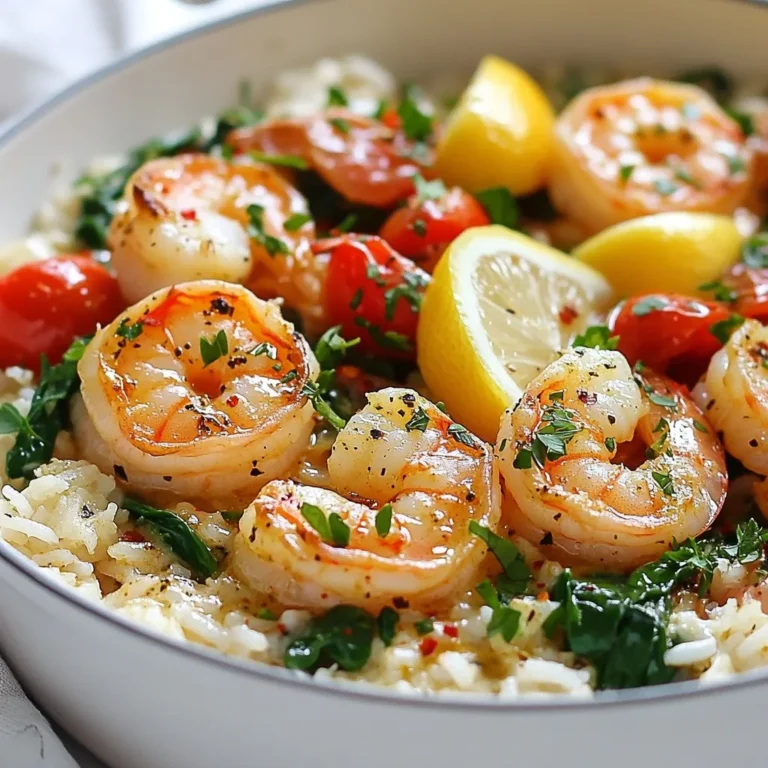
- 1 lb shrimp, peeled and deveined - 2 cups cooked rice (white or brown) - 4 cloves garlic, finely minced - 4 tablespoons unsalted butter, divided The main star of this dish is the shrimp. Fresh shrimp makes it great, but frozen works too. Cooked rice is key for this skillet meal. You can choose white or brown rice based on your taste. Garlic adds a rich flavor that shines through. The butter binds everything together, giving a nice, creamy texture. - 1/2 teaspoon red pepper flakes - 1 cup cherry tomatoes, halved - 1 cup fresh spinach, roughly chopped - 1 teaspoon lemon juice For a little heat, add red pepper flakes. They bring a gentle kick that pairs well with shrimp. Cherry tomatoes add sweetness and color. Spinach gives a fresh touch and brightens the dish. A splash of lemon juice at the end lifts all the flavors. - Salt and black pepper - Fresh parsley, chopped Salt and pepper are must-haves for taste. They enhance the natural flavors of shrimp and veggies. Fresh parsley adds a pop of color and freshness. A sprinkle on top makes the dish look beautiful and inviting. {{ingredient_image_2}} - Melting the butter: Start by heating 2 tablespoons of butter in a large skillet. Use medium heat until the butter foams slightly. This step adds richness to the dish. - Sautéing garlic and red pepper flakes: Once the butter melts, add 4 cloves of minced garlic and 1/2 teaspoon of red pepper flakes. Stir constantly for about 1 minute. You want the garlic to be fragrant but not browned. This creates a strong base flavor. - Cooking the shrimp: Next, turn the heat up to medium-high. Add 1 pound of peeled and deveined shrimp to the skillet. Cook for 2-3 minutes, stirring gently. The shrimp will turn pink and opaque. Be careful not to overcook them, or they will become rubbery. - Adding tomatoes and spinach: Remove the shrimp and set them aside. In the same skillet, add the remaining 2 tablespoons of butter. Once melted, toss in 1 cup of halved cherry tomatoes and 1 cup of roughly chopped spinach. Sauté for 2-3 minutes. The tomatoes should soften, and the spinach will wilt nicely. - Incorporating cooked rice: Gradually stir in 2 cups of cooked rice. Mix well to combine the rice with the vegetables and butter. Break up any clumps. This helps the rice soak up all those tasty flavors. - Returning shrimp to the skillet: Now it’s time to add the shrimp back to the skillet. Gently stir them in along with the cooked rice and vegetables. - Mixing in seasonings and lemon juice: Finish by adding 1 teaspoon of freshly squeezed lemon juice, along with salt and freshly ground black pepper to taste. Stir everything together and cook for an additional 2 minutes to warm through. The lemon juice adds a bright note to the dish. This step-by-step method makes cooking Garlic Butter Shrimp Rice Skillet easy and fun. Enjoy your tasty creation! To avoid overcooked shrimp, watch them closely while cooking. Shrimp turn pink and opaque when done. Cook them for only 2-3 minutes. If they curl up tightly, they are overcooked. Remove them from the skillet as soon as they are ready. This keeps them tender and juicy. Sautéing garlic properly is key to great flavor. Use medium heat and stir constantly. Garlic can burn quickly and turn bitter. When you smell a strong aroma, it's ready. Aim for about one minute of cooking time. Remember, the goal is fragrant garlic, not brown garlic. For a lovely presentation, serve the dish right in the skillet. This adds a homey touch and lets guests help themselves. If you prefer a more polished look, use a large white platter. Place the rice skillet in the center and garnish with fresh parsley and lemon wedges. Consider pairing this dish with a light salad or crusty bread. A simple green salad with a lemon vinaigrette works well. The fresh flavors balance the richness of the garlic butter shrimp. A large skillet is best for this recipe. I recommend using a non-stick or cast-iron skillet. Both types heat evenly and make cooking easier. A good spatula helps to stir and serve without sticking. You will need a sharp knife and a cutting board for chopping. A measuring spoon is useful for adding spices. Having these tools on hand will make your cooking experience smooth and enjoyable. Pro Tips Use Fresh Shrimp: For the best flavor and texture, opt for fresh shrimp whenever possible. Frozen shrimp can also work, but be sure to thaw them properly before cooking. Customize Your Heat: Adjust the amount of red pepper flakes based on your spice preference. Start with a small amount and add more if you like it spicier. Add More Veggies: Feel free to incorporate other vegetables like bell peppers, zucchini, or peas for added nutrition and flavor. Serving Suggestions: Serve with a side of crusty bread or a fresh green salad to complement the richness of the garlic butter shrimp. {{image_4}} You can change the shrimp to other proteins like chicken or tofu. Chicken works well when cut into bite-sized pieces. For tofu, use firm or extra-firm types for the best texture. Simply sauté these in the same way as the shrimp. If you're looking for vegan options, you can skip the shrimp and butter. Use olive oil instead of butter and add more veggies. Try chickpeas for added protein and a nice bite. To make this dish even more tasty, consider adding spices. Paprika, cumin, or even curry powder can give it a unique twist. You can also try different herbs like basil or thyme for fresh flavors. Switching up the vegetables can change the dish too. Bell peppers, zucchini, or peas can add color and crunch. You can mix and match based on what you have at home. If you want a Mexican-inspired dish, add some black beans and corn. Top it with avocado and a sprinkle of cotija cheese for extra creaminess. For an Asian twist, include soy sauce or sesame oil. You can also toss in some snap peas or bok choy. These changes will give it a whole new flavor profile while still being simple and delicious. To keep your leftover Garlic Butter Shrimp Rice Skillet fresh, use proper storage containers. Choose airtight containers to lock in moisture and flavor. Make sure the dish cools to room temperature before sealing. This helps prevent condensation. Your leftovers can stay fresh in the fridge for up to three days. When it's time to enjoy your leftovers, reheat them carefully. The best methods are using a skillet or microwave. If using a skillet, add a splash of water or broth to keep it moist. Stir often over low heat until warmed through. In the microwave, cover with a microwave-safe lid or wrap. Heat in short bursts, stirring in between to ensure even heating. This helps retain the flavor and texture of the shrimp and rice. You can freeze your Garlic Butter Shrimp Rice Skillet if you want to save it for later. First, let the dish cool completely. Then, portion it into freezer-safe bags or containers. Remove as much air as possible to avoid freezer burn. This dish can last for up to three months in the freezer. When you're ready to eat, thaw it overnight in the fridge. Reheat it in a skillet or microwave, adding a little liquid to keep it moist. Enjoy your meal just like it was fresh! Making Garlic Butter Shrimp Rice Skillet takes about 30 minutes. You need 10 minutes to prep and 20 minutes to cook. This quick time means you can enjoy a tasty meal any night of the week. Yes, you can use frozen shrimp. Just thaw them before cooking. Place the shrimp in cold water for about 10-15 minutes. After they thaw, peel and devein them if needed. This keeps the dish quick and easy. Both white and brown rice work well. White rice cooks faster and has a soft texture. Brown rice has more fiber and a nutty flavor. Choose based on your taste and how healthy you want the dish. This blog post detailed how to make a tasty Garlic Butter Shrimp Rice Skillet. We covered essential and optional ingredients, seasoning, and cooking steps. I shared tips to avoid overcooked shrimp and suggested serving ideas. You can also play with ingredients for different flavors. Proper storage and reheating tips ensure your meal stays fresh. With these steps, you can enjoy a rich dish that's easy to prepare and customize. Enjoy cooking and impressing your friends and family with this delicious meal!

Garlic Butter Shrimp Rice Skillet Flavorful Delight

Read More Garlic Butter Shrimp Rice Skillet Flavorful DelightContinue

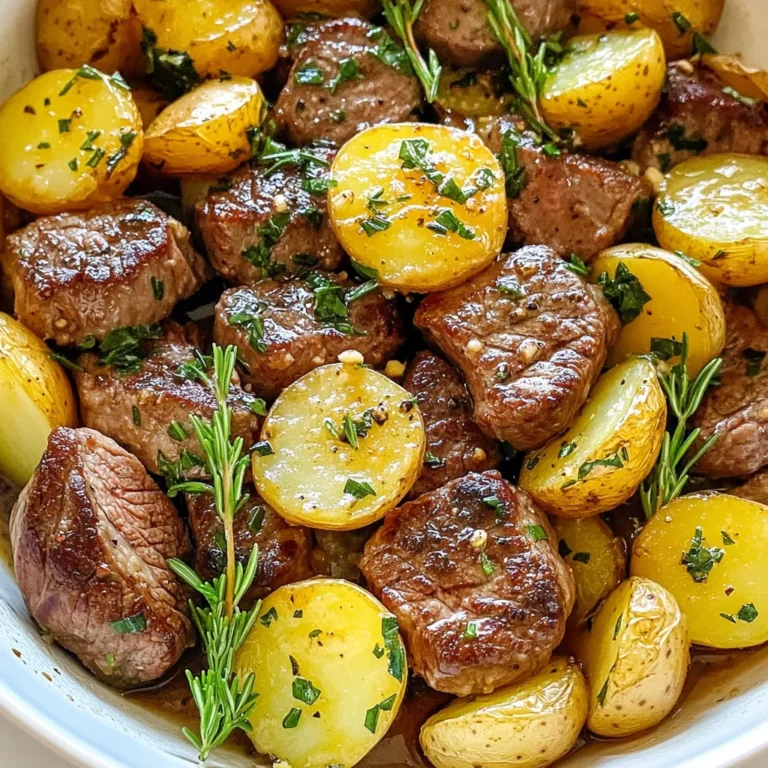
- 1 pound sirloin steak, cut into bite-sized cubes - 1 pound baby potatoes, halved - 4 tablespoons unsalted butter - 5 cloves garlic, minced - 1 teaspoon fresh rosemary, finely chopped - 1 teaspoon fresh thyme, finely chopped - Salt and pepper, to taste - 2 tablespoons olive oil - Fresh parsley, chopped for garnish When I prepare garlic butter steak and potatoes, I focus on using fresh ingredients. The sirloin steak is tender and flavorful. I cut it into bite-sized cubes for easy cooking and eating. Baby potatoes are my favorite choice because they cook quickly and have a nice texture. For the garlic butter, I use unsalted butter. It blends well with the steak and potatoes, giving a rich flavor. Minced garlic adds a wonderful aroma and taste. I always use fresh herbs like rosemary and thyme. They enhance the dish and create a lovely balance with the garlic. I season everything with salt and pepper. This simple step makes a big difference. Olive oil is a must for cooking the potatoes. It helps them brown nicely and adds flavor. Finally, I sprinkle fresh parsley on top for a pop of color and freshness. These ingredients come together to create a delicious meal. Each item plays a role in the overall flavor and texture. You will love how they work together in this skillet dish! {{ingredient_image_2}} - Heat a large skillet over medium heat. Add 2 tablespoons of olive oil. - Place the halved baby potatoes in the skillet. Season them with salt and pepper. - Cook for about 15-20 minutes. Stir them occasionally for even browning. - Once they are golden-brown and fork-tender, transfer the potatoes to a plate and set aside. - Increase the heat to medium-high in the same skillet. - Add 1 pound of cubed sirloin steak to the pan. Season it generously with salt and pepper. - Sear the steak for about 3-4 minutes. Stir occasionally to ensure even browning and tenderness. - Lower the heat back to medium. Sprinkle in 5 cloves of minced garlic and 1 teaspoon each of chopped rosemary and thyme. - Sauté for about 1 minute. This step releases a fragrant aroma. Be careful not to burn the garlic. - Introduce 4 tablespoons of unsalted butter into the skillet. - Stir well to mix the melted butter with the steak and herbs. Ensure everything is coated evenly and looks luscious. - Gently return the cooked potatoes to the skillet. - Mix everything together and heat through for another 2-3 minutes. - Remove the skillet from heat. Add freshly chopped parsley for garnish. - For a rustic look, serve the dish straight from the skillet. You can also portion it into bowls. Drizzle any remaining garlic butter on top. Enjoy your delicious creation! To make great steak, focus on doneness. I recommend using a meat thermometer for the best results. Aim for 130°F for medium-rare. For medium, go for 140°F. Searing is key to flavor. Start with a hot skillet. Place the steak in the pan without crowding. This helps it brown nicely. For even cooking, cut your potatoes into similar sizes. This ensures they cook at the same rate. Stir them every few minutes to promote browning. If you want to try something different, use Yukon Gold or red potatoes. They add a nice twist to the dish. Don't be shy with herbs and spices. Fresh parsley, oregano, or even a pinch of chili flakes can elevate your meal. For garlic butter variations, consider adding lemon zest or a splash of soy sauce. These small changes can bring new life to your dish! Pro Tips Choose the Right Cut: Opt for sirloin steak for its balance of flavor and tenderness, but feel free to substitute with ribeye or filet mignon for a richer taste. Perfect Potato Prep: Halve the baby potatoes to ensure they cook evenly and become beautifully golden-brown. A little extra salt during cooking enhances their flavor. Don’t Rush the Sear: Allow the steak to sear undisturbed for a few minutes to achieve a nice crust. Avoid overcrowding the pan to ensure even cooking. Herb Variations: Experiment with different herbs like thyme, oregano, or even fresh basil for a unique flavor profile that can elevate the dish. {{image_4}} You can easily make this dish gluten-free by using gluten-free products. Just check the labels on your butter and any seasonings. For a dairy-free option, substitute the unsalted butter with a plant-based alternative. This keeps the dish rich and creamy without dairy. If you’d like to swap out the meat, try chicken or shrimp. Both cook quickly and absorb the garlic butter well. For a vegetarian version, use tofu or tempeh instead of steak. Both options provide protein and texture. You don’t have to stick to baby potatoes. You can use Yukon gold or red potatoes. They add a different taste and texture. If you want something lower in carbs, try cauliflower. Simply steam it before adding it to the skillet. When it comes to steak, sirloin is great, but you can try flank or ribeye for more flavor. These cuts will still give you that tender bite you want. If you prefer leaner meat, opt for filet mignon. If you love a bit of heat, sprinkle in some chili flakes while cooking. This adds a nice kick without overpowering the dish. You can also try different herbs like basil or oregano. They change the flavor and make it unique. Add a splash of lemon juice for a zesty twist. It brightens up the rich garlic butter and makes each bite pop. Don't be afraid to experiment with spices you enjoy! Store your garlic butter steak and potatoes in an airtight container. This keeps the flavors fresh. Make sure to refrigerate within two hours of cooking. When you reheat, use a skillet over medium heat. This way, you bring back the tasty garlic butter flavor. Stir gently to avoid burning the potatoes. You can freeze leftovers for up to three months. Let the dish cool completely before packing it in freezer-safe bags. Make sure to squeeze out as much air as possible. When ready to eat, thaw overnight in the fridge. To reheat, use a skillet on low heat. Add a splash of water to help steam and warm it through. In the fridge, your garlic butter steak and potatoes last about three to four days. If frozen, they stay good for up to three months. Always check for signs of spoilage before eating. Enjoying your leftovers safely is key to a great meal experience! You can serve this dish with many sides. Here are some tasty options: - Steamed broccoli: This adds color and nutrients. - Green salad: A fresh salad balances the richness of the meal. - Garlic bread: Perfect for dipping into the garlic butter sauce. - Grilled asparagus: Adds a nice crunch and flavor. - Coleslaw: The crunch and tang will complement the steak. To spice things up, add chili flakes or diced jalapeños. Here’s how: - Chili flakes: Sprinkle them into the skillet after adding garlic. - Jalapeños: Dice fresh ones and sauté with the steak. These additions will give you heat without losing flavor. Yes, you can swap out the sirloin for other cuts. Here are some great options: - Ribeye: Rich and fatty, perfect for flavor. - Filet mignon: Tender and lean, a bit pricier. - Flank steak: Great for a chewy texture and marinated flavor. Choose based on your taste and budget. To check if your steak is done, use the touch test. Here’s how: - Rare: Soft, like the base of your thumb. - Medium: Firm, like the middle of your palm. - Well-done: Very firm, like your wrist. This method helps you judge without a thermometer. Yes, you can prepare parts of this dish ahead of time. Here are some tips: - Cook the potatoes: You can boil them the day before. - Prep the steak: Cube and season it in advance. - Combine and heat: When ready to eat, stir everything in the skillet over low heat. This way, you save time on busy days. This blog post covered making a delicious garlic butter steak and potatoes dish. You learned about the key ingredients, step-by-step cooking instructions, and helpful tips. We also explored variations and storage tips to keep your dish fresh. Remember, cooking is about trying new things. Don’t be afraid to switch ingredients or add your favorite flavors. Enjoy this meal with friends or family. Prepare to impress with your tasty creation!

Garlic Butter Steak and Potatoes Skillet Delight

Read More Garlic Butter Steak and Potatoes Skillet DelightContinue

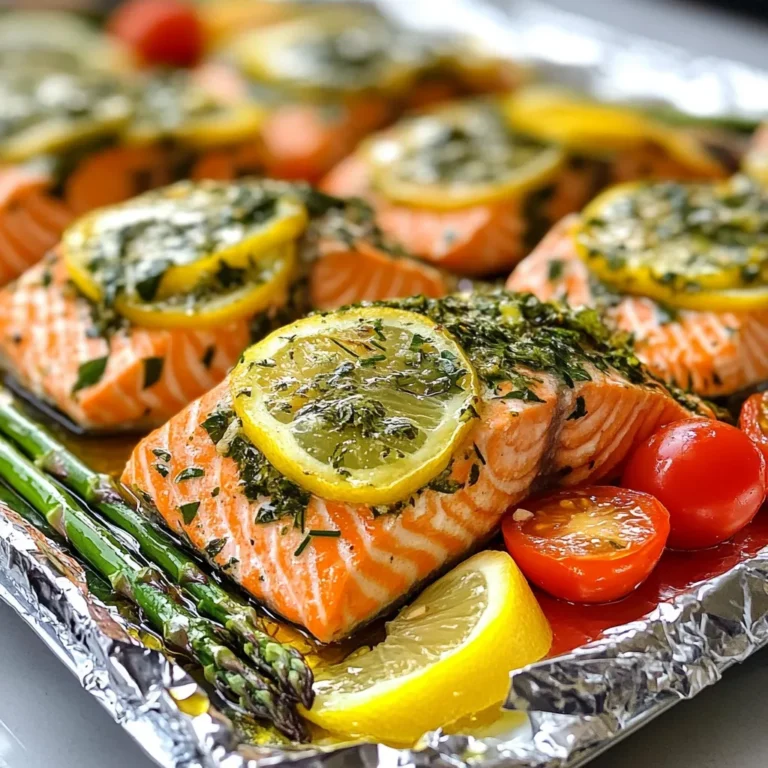
- 4 salmon fillets (6 oz each) - 4 tablespoons unsalted butter, softened - 2 tablespoons fresh parsley, finely chopped - 2 tablespoons fresh dill, finely chopped - 1 tablespoon fresh lemon juice - 3 cloves garlic, finely minced - Salt and freshly cracked pepper, to taste - 1 lemon, sliced into rounds - 1 cup cherry tomatoes, halved - Optional: Fresh vegetables like asparagus or zucchini Creating herb butter salmon foil packets is a simple joy. You start with salmon fillets. Each one should weigh about 6 ounces. This size cooks well and stays moist. You want to use unsalted butter that is soft. This makes mixing easy and smooth. Next, you add herbs for flavor. Fresh parsley and dill bring a bright taste. You can chop these finely. Lemon juice adds a nice zing. Garlic gives depth to the flavor. Don't forget salt and pepper. They help to enhance all the tastes. For a colorful dish, add more vegetables. Lemon slices look great and taste fresh. Cherry tomatoes burst with sweetness. You can also choose veggies like asparagus or zucchini. These add more texture and nutrients. When you gather these ingredients, you set the stage for a tasty meal. Each element plays its part in making this dish rich and vibrant. {{ingredient_image_2}} - Preheat the oven to 400°F (200°C). - In a bowl, mix the softened butter with fresh parsley, dill, lemon juice, and minced garlic. Stir until smooth. - Cut four large rectangles of foil. Each should be big enough for a salmon fillet. - Place a salmon fillet in the center of each foil piece. Spread the herbed butter over each fillet evenly. - Add lemon slices and halved cherry tomatoes around the salmon. If you want, add fresh veggies like asparagus or zucchini. - Fold the foil sides up and over the salmon. Pinch and seal each packet tightly. - Place the foil packets on a baking sheet and bake in the preheated oven for 15-20 minutes. Check for doneness by ensuring the salmon flakes easily with a fork. When done, carefully open the foil packets. Watch out for the steam! Serve the salmon right in the foil for a fun presentation. To make smooth herb butter, start with soft butter. Let it sit at room temp for 30 minutes. This helps it mix well with herbs and garlic. Mix the butter, parsley, dill, lemon juice, and garlic in a bowl. Stir until it is creamy and green. If you want more flavor, add more herbs or a pinch of salt. Tasting as you go helps you get it just right. Serve the packets on a large plate for a nice look. Before serving, sprinkle some extra chopped herbs on top. This adds color and freshness. Pair your salmon with easy side dishes like rice, quinoa, or a salad. These sides balance the rich flavor of the salmon. If your salmon fillets are thick, add a few extra minutes to your bake time. This helps the fish cook evenly. For high-altitude cooking, be aware that food cooks slower. You may need to increase the cooking time by about 5 minutes. Always check your salmon with a fork. It should flake easily when done. Pro Tips Tip Title: Ensure your butter is at room temperature for easy spreading. This helps the herbed butter to melt evenly over the salmon, enhancing flavor. Tip Title: Use high-quality salmon for the best taste. Fresh, wild-caught salmon tends to have a richer flavor and better texture compared to farmed varieties. Tip Title: Experiment with different herbs. While parsley and dill are classic choices, you can also try basil, tarragon, or even a hint of rosemary for a unique twist. Tip Title: Don’t skip the vegetables! Adding vegetables not only enhances the meal's nutrition but also absorbs the delicious flavors from the salmon and herbs. {{image_4}} You can change up the flavor of your herb butter easily. Try using different herbs. Thyme or basil can give your salmon a new taste. If you want some heat, add spices like paprika or cayenne. These spices add warmth and depth. Just remember to start small and adjust to your liking. Adding fresh vegetables can make this dish even better. Try using asparagus or zucchini for a nice crunch. These veggies roast well in the foil packets. If you prefer a low-carb version, skip the tomatoes and use bell peppers or green beans. They add color and flavor without extra carbs. You have options for cooking your foil packets. You can bake them in the oven or grill them for a smoky taste. Grilling gives the salmon a nice char. If you need a quicker method, try an air fryer. It cooks the salmon fast while keeping it juicy. Just adjust the time to about 10-12 minutes for the air fryer. To store leftovers safely in the refrigerator, place the foil packets in an airtight container. You can also wrap them tightly with plastic wrap or aluminum foil. This keeps the salmon fresh and prevents odors from mixing. Aim to eat leftovers within three days for the best taste. When reheating salmon foil packets, use the oven for best results. Preheat it to 350°F (175°C). Place the packets on a baking sheet and warm for about 10 minutes. This method keeps the salmon moist. To keep the flavor, avoid using a microwave, as it can dry out the fish. You can freeze assembled packets before cooking. Wrap each packet tightly in aluminum foil to prevent freezer burn. For best results, use them within three months. To cook from frozen, preheat the oven to 400°F (200°C). Bake the frozen packets for 25-30 minutes. Check for doneness by ensuring the salmon flakes easily with a fork. Yes, you can use frozen salmon. Just remember to thaw it first. The best way to thaw salmon is in the fridge overnight. If you're short on time, place the salmon in a sealed bag and submerge it in cold water for about an hour. This keeps the fish safe and helps it thaw evenly. If you lack fresh herbs, dried herbs work too! Use one-third of the amount. For example, if a recipe calls for 2 tablespoons of fresh parsley, use just 2 teaspoons of dried parsley. You can also add a pinch of Italian seasoning for a nice touch. Remember, dried herbs are more potent, so adjust to your taste. You’ll know the salmon is done when it flakes easily with a fork. The color should be a light pink inside. If you have a meat thermometer, check for an internal temperature of 145°F (63°C). This ensures it’s cooked but still moist. Cooking times may vary based on thickness, so keep an eye on it! This recipe showed how to make delicious salmon foil packets. We covered the ingredients you need, including salmon, butter, herbs, and veggies. I guided you through easy steps for preparing and baking your meal. You learned tips for flavor and variations too. By following these steps, you can enjoy a healthy, tasty dish that fits your taste. Try new herbs and veggies to make it your own. Enjoy your cooking adventure!

Herb Butter Salmon Foil Packets Flavorful and Easy Meal

Read More Herb Butter Salmon Foil Packets Flavorful and Easy MealContinue

Page navigation

Previous PagePrevious 1 … 36 37 38

Our Policys

  • Privacy Policy
  • Cookie Policy
  • Copyright Policy
  • GDPR Policy
  • Disclaimer
  • Terms Of Use

More Information

  • Home
  • About
  • Contact
  • Appetizer
  • Desserts
  • Dinner
  • Drinks

© 2025 goldendishy

  • Home
  • Dinner
  • Appetizer
  • Desserts
  • Drinks
  • About
  • Contact
  • Privacy Policy
Search