Garlic Herb Turkey Tenderloin Flavorful and Easy Recipe
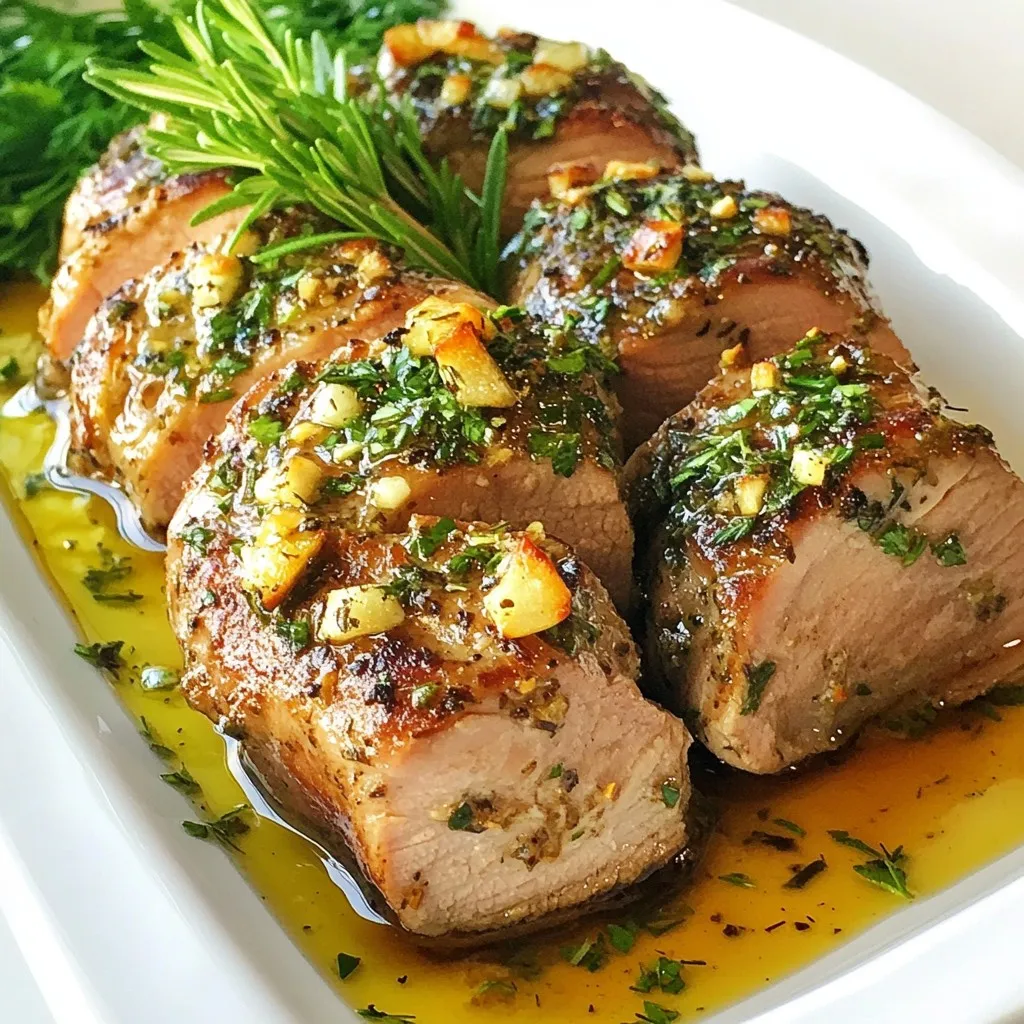
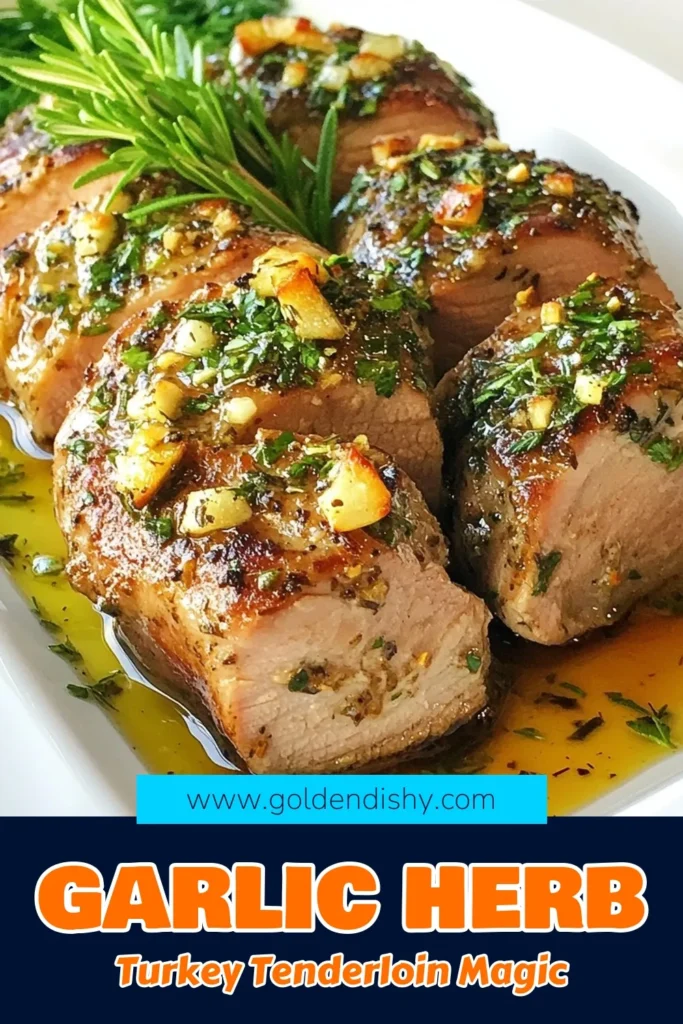
Looking for an easy yet flavorful dish? This Garlic Herb Turkey Tenderloin recipe is just what you need. With tender meat and fresh herbs, it’s a sure hit for any dinner. I’ll take you step by step through the simple process, from prepping the turkey to serving it perfectly. Get ready to impress your family or guests with this tasty and healthy meal that’s quick to make!
Why I Love This Recipe
- Flavorful Herb Blend: The combination of fresh garlic, rosemary, and thyme creates a fragrant and savory herb paste that infuses the turkey with delicious flavor.
- Moist and Tender: Searing the tenderloin before roasting locks in moisture, ensuring each slice is juicy and tender, perfect for any occasion.
- Quick and Easy: With just 15 minutes of prep time, this recipe is ideal for a weeknight dinner without sacrificing flavor or presentation.
- Versatile Serving Options: The turkey pairs beautifully with a variety of sides, from sautéed greens to roasted vegetables, making it a flexible dish for any meal.
Ingredients
List of Ingredients
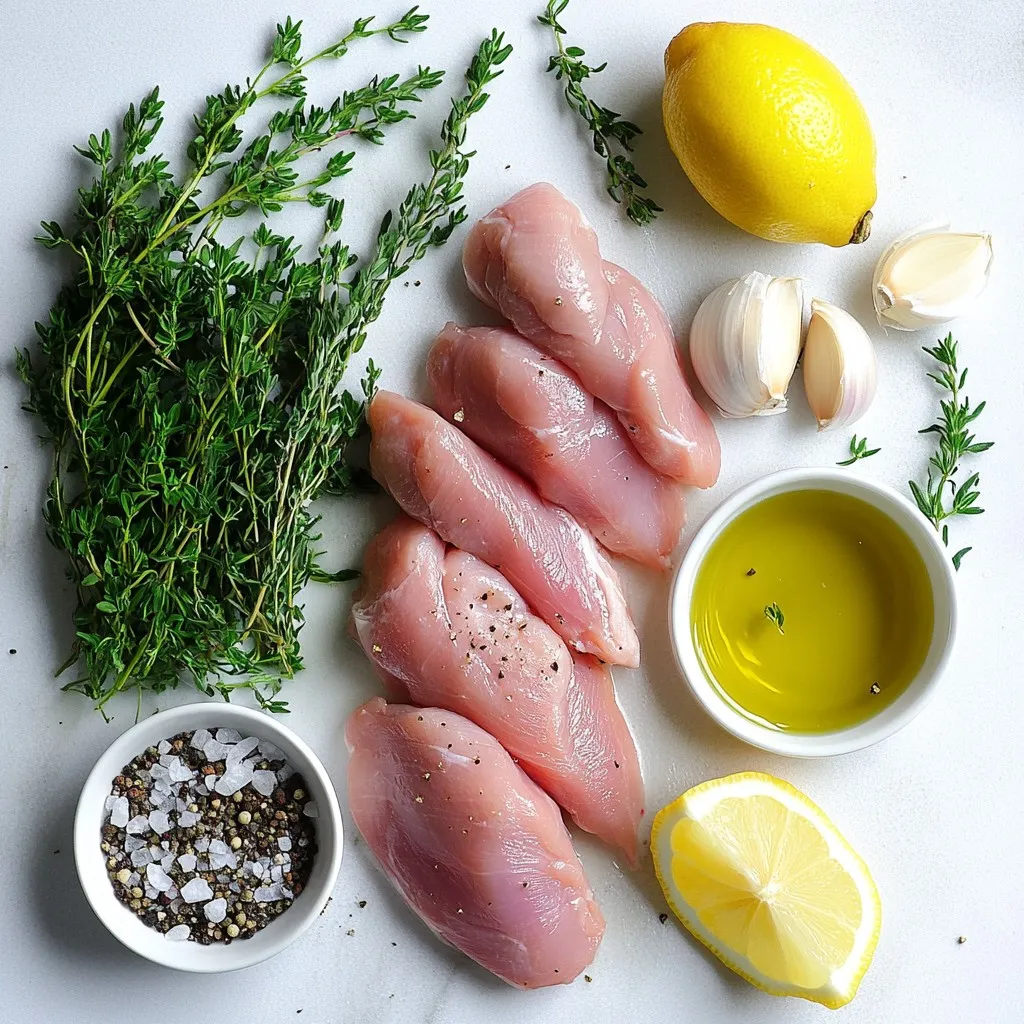
– 1.5 lbs turkey tenderloin
– 4 cloves garlic, finely minced
– 2 tablespoons fresh rosemary, finely chopped
– 2 tablespoons fresh thyme, finely chopped
– 1 tablespoon olive oil
– 1 teaspoon salt
– ½ teaspoon freshly ground black pepper
– 1 tablespoon fresh lemon juice
– Optional: fresh parsley for garnish
Gathering your ingredients is the first step to making this dish shine. Start with 1.5 pounds of turkey tenderloin. This cut is lean and cooks quickly, which is perfect for a busy weeknight.
Next, you need four cloves of garlic. Mince them finely to release all the bold flavors. Use two tablespoons each of fresh rosemary and fresh thyme, both chopped. These herbs add a lovely aroma and taste.
You will also need a tablespoon of olive oil. This oil helps the herbs stick to the turkey and adds a nice richness.
For seasoning, grab a teaspoon of salt and half a teaspoon of freshly ground black pepper. These will enhance all the flavors in your dish.
Finally, don’t forget a tablespoon of fresh lemon juice. It brightens the dish and balances the savory flavors. If you want, you can garnish with fresh parsley for a pop of color and freshness on your plate.
Having these ingredients ready will make your cooking process smooth and enjoyable!
Step-by-Step Instructions
Preparation Steps
1. Preheat your oven to 375°F (190°C). This step helps cook the turkey evenly.
2. In a small bowl, mix 4 minced garlic cloves, 2 tablespoons of chopped rosemary, 2 tablespoons of chopped thyme, 1 tablespoon of olive oil, 1 teaspoon of salt, ½ teaspoon of black pepper, and 1 tablespoon of lemon juice. Stir until you form a fragrant herb paste.
3. Pat the turkey tenderloin dry with a paper towel. This step is key for a nice sear.
Cooking Steps
1. Generously rub the herb paste all over the turkey. Make sure it’s well coated. For more flavor, let it sit for 30 minutes or overnight in the fridge.
2. Heat a large, oven-safe skillet over medium-high heat. Add a drizzle of olive oil to coat the pan.
3. Once the oil shimmers, add the turkey tenderloin. Sear each side for 2-3 minutes until it’s golden brown. This creates a crust that keeps moisture in.
4. Transfer the skillet to your preheated oven. Roast the turkey for 25-30 minutes. It’s done when a thermometer reads 165°F (74°C).
Finishing Touches
1. After taking it out, let the turkey rest for 5-10 minutes. This helps the juices spread throughout.
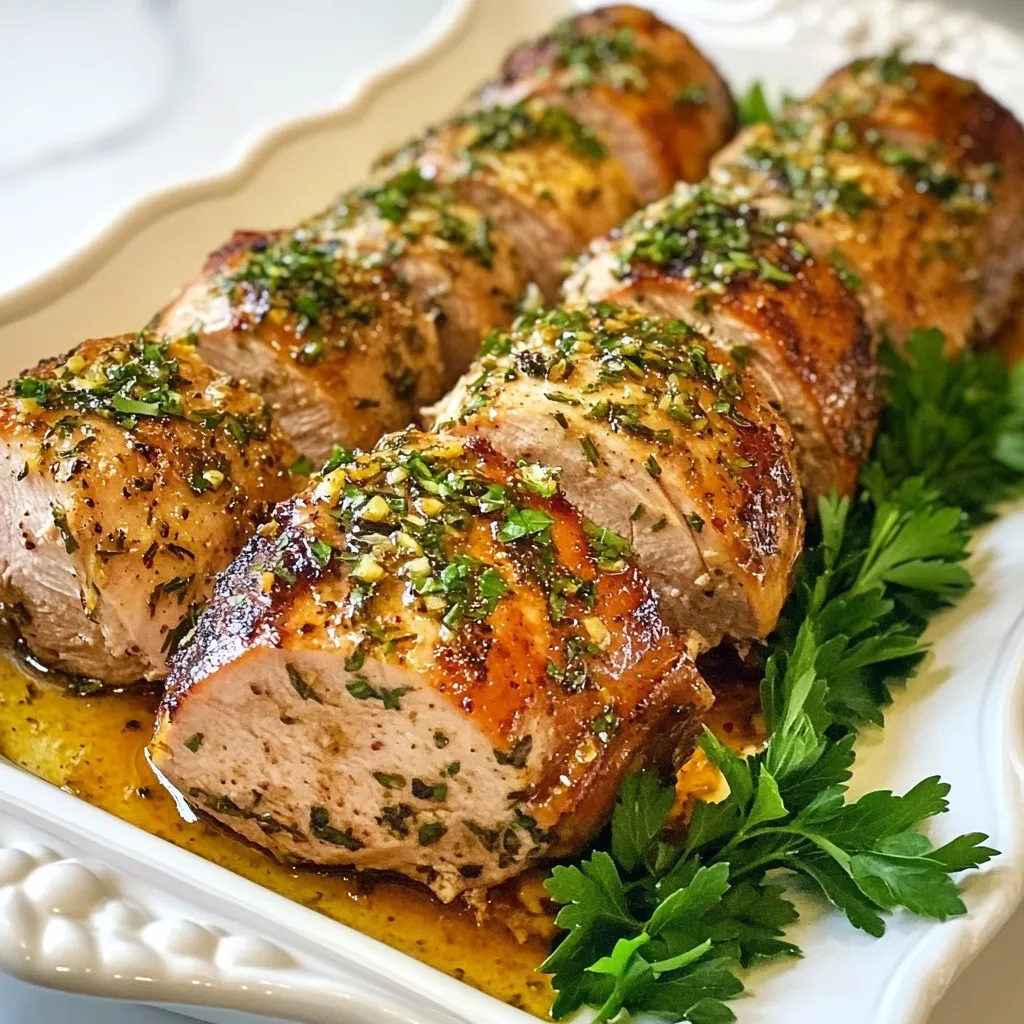
2. Slice the turkey into medallions. Arrange them on a platter. For color, sprinkle finely chopped parsley on top.
Tips & Tricks
Selection Tips
– Choose turkey tenderloins that are pink and moist.
– Look for ones with no bruises or dark spots.
– Fresh herbs make a big difference in flavor.
– Use rosemary and thyme for a fragrant taste.
Cooking Tips
– Sear the turkey on medium-high heat.
– This creates a nice brown crust.
– Cook it for about 2-3 minutes on each side.
– Roast it at 375°F for 25-30 minutes.
– Check that the inside reaches 165°F for safety.
Serving Suggestions
– Serve the turkey with sautéed greens or roasted veggies.
– Arrange the medallions nicely on a platter.
– Garnish with fresh parsley for color.
– This makes your meal look and taste great!
Pro Tips
- Marination Matters: Allow the turkey tenderloin to marinate for at least 30 minutes, or overnight, to deepen the flavors and enhance tenderness.
- Pat it Dry: Always pat the turkey tenderloin dry before cooking to ensure a better sear and a crispy exterior.
- Rest Before Slicing: Let the turkey rest for 5-10 minutes after roasting to allow the juices to redistribute, resulting in a juicier final dish.
- Use a Meat Thermometer: For perfect doneness, always check the internal temperature of the turkey, aiming for 165°F (74°C) in the thickest part.
Variations
Flavor Variations
You can switch up the taste of your garlic herb turkey tenderloin easily. Here are some fun ideas:
– Alternative herbs and spices: Try using fresh basil or oregano for a twist. You can also add a pinch of smoked paprika for a smoky flavor.
– Adding citrus flavors: Squeeze some orange or lime juice into your herb paste. This will give the turkey a fresh and zesty taste.
Cooking Method Alternatives
If you want to change how you cook the turkey, consider these methods:
– Grilling instructions: Preheat your grill to medium-high heat. Rub the turkey with the herb paste and place it on the grill. Cook for about 15-20 minutes, turning it often. Use a meat thermometer to check for doneness.
– Slow cooker option: Place the marinated turkey in a slow cooker. Add a splash of chicken broth. Cook on low for 4-6 hours. This will make the turkey super tender and juicy.
Dietary Considerations
You can make this dish fit different diets with simple changes:
– Gluten-free adaptations: This recipe is already gluten-free! Just ensure that all ingredients, like the broth or spices, are certified gluten-free.
– Low-carb variations: The turkey itself is low in carbs. Serve it with a side of steamed broccoli or cauliflower rice for a filling meal that fits a low-carb plan.
Storage Info
Storing Leftovers
To keep your garlic herb turkey tenderloin fresh, let it cool first. Place it in an airtight container. This helps keep the flavors locked in. You can also wrap it tightly in plastic wrap. Store it in the fridge right away. The turkey lasts about 3 to 4 days. If you want it to last longer, consider freezing it. Frozen turkey can stay good for up to 3 months. Just remember to let it cool completely before freezing.
Reheating Tips
When you’re ready to enjoy leftovers, reheating is key. The best method is to use the oven. Preheat your oven to 325°F (165°C). Place the turkey in a baking dish. Add a splash of broth or water to keep it juicy. Cover the dish with foil to trap moisture. Heat for about 15 to 20 minutes, or until warmed through. If you prefer the microwave, use it on low power. Heat in short bursts, checking often to avoid drying it out. Whichever way you choose, these tips help keep your turkey tender and tasty.
FAQs
Common Questions
How long to cook turkey tenderloin per pound?
Cook turkey tenderloin for 25-30 minutes per pound at 375°F (190°C). Always check with a meat thermometer. The turkey should reach 165°F (74°C).
Can I prepare the herb paste in advance?
Yes, you can make the herb paste a day ahead. Store it in the fridge so the flavors blend well.
What should I serve with turkey tenderloin?
Serve turkey tenderloin with sautéed greens, roasted veggies, or mashed potatoes. A fresh salad also pairs nicely for a complete meal.
Cooking Tips
Is it necessary to marinate the turkey?
Marinating the turkey adds flavor. If you have time, let it rest for 30 minutes or overnight for richer taste.
How do I know when the turkey is done?
Use an instant-read thermometer to check the thickest part of the turkey. It should read 165°F (74°C) for safe eating.
Substitution Questions
Can I use dried herbs instead of fresh?
Yes, you can use dried herbs. Use one-third of the amount since dried herbs are stronger in flavor.
What can I use if I don’t have lemon juice?
If you lack lemon juice, use vinegar or lime juice as a substitute. Both add a nice tang.
This blog post covers how to cook a tasty turkey tenderloin. We explored the key ingredients, preparation steps, and cooking methods. I shared tips for selection, cooking, and serving to help you impress your guests. Variations can switch up flavors and methods to fit your needs. Proper storage and reheating processes keep your leftovers fresh. In short, cooking turkey tenderloin is simple and rewarding. Enjoy your meal and share your own ideas to make it even bette
![- 8 oz fettuccine pasta - 1 lb large shrimp, peeled and deveined - 2 tablespoons Cajun seasoning - 2 tablespoons olive oil - 3 cloves of garlic, minced - 1 cup heavy cream - 1 cup grated Parmesan cheese - 1/2 cup cream cheese, softened - Salt and pepper to taste - 2 tablespoons chopped fresh parsley (for garnish) - Zest of 1 lemon (for brightness) When I make Cajun Shrimp Alfredo, I love how rich and creamy it is. The fettuccine pasta serves as a perfect base for the dish. You can choose any pasta you like, but fettuccine offers a great texture that holds the sauce well. The shrimp is the star of this recipe. I always prefer large shrimp because they have a great bite and flavor. Make sure to peel and devein them for the best experience. The Cajun seasoning adds a warm kick that makes this dish pop. For the sauce, I use both heavy cream and cream cheese. They blend together to create a smooth and thick sauce. Parmesan cheese adds that salty, nutty flavor that ties everything together. Fresh garlic enhances the aroma, making your kitchen smell divine while cooking. I finish the dish with fresh parsley and lemon zest. The parsley brings a bright color, while the lemon zest adds a hint of freshness. This combination makes every bite a flavorful delight. You can find the Full Recipe to guide you through the cooking process. Enjoy creating this scrumptious meal! Start by bringing a large pot of salted water to a boil. The salt helps flavor the pasta. Once the water is boiling, add 8 ounces of fettuccine. Cook the pasta until it is al dente, which usually takes about 8 to 10 minutes. You want it firm, not mushy. After cooking, drain the pasta but save 1/2 cup of the water for later. Next, take 1 pound of large shrimp, peeled and deveined. In a bowl, sprinkle 2 tablespoons of Cajun seasoning over the shrimp. Toss them well so every piece is coated. This gives the shrimp a nice, bold taste. Heat 2 tablespoons of olive oil in a large skillet over medium-high heat. When hot, add the shrimp and sauté for 2 to 3 minutes per side. Cook until they turn pink and opaque. Once done, remove them from the skillet and set aside. In the same skillet, lower the heat a bit. Add 3 cloves of minced garlic to the skillet. Sauté the garlic for about 30 seconds. You want it fragrant but not burnt. Then, pour in 1 cup of heavy cream. Stir gently and let it come to a gentle simmer. Add in 1/2 cup of softened cream cheese, stirring until it melts. Now, gradually mix in 1 cup of grated Parmesan cheese. Stir vigorously to make the sauce creamy. If it’s too thick, add some of the reserved pasta water until you reach the right consistency. Now it’s time to bring everything together. Return the sautéed shrimp to the skillet with the creamy sauce. Add the cooked fettuccine next. Toss all the ingredients gently so the pasta and shrimp are well-coated. Taste and season with salt and pepper as needed. For a bright touch, add the zest of 1 lemon, mixing it in for extra flavor. Enjoy this flavorful creamy delight! For a complete recipe, check out the [Full Recipe]. - Avoid overcooking shrimp: Cook shrimp for only 2-3 minutes per side. They should be pink and opaque. Overcooked shrimp can turn rubbery. Keep a close eye on them as they cook. - How to achieve a silky sauce: To make a smooth sauce, stir the heavy cream gently as it heats. Add cream cheese and Parmesan slowly. If the sauce is too thick, use reserved pasta water to thin it out. - Suggesting additional spices: Try adding a pinch of cayenne for extra heat. Smoked paprika can add a nice depth. Experiment with flavors that excite your taste buds. - Importance of fresh herbs for garnishing: Fresh parsley adds color and brightness to the dish. You can also use basil or chives for a different twist. Fresh herbs make every plate look and taste better. - Pairing with a side salad or garlic bread: A crisp side salad balances the rich flavors of the Alfredo. Garlic bread is a perfect complement too. It helps soak up the creamy sauce. - Creative plating ideas: Swirl the fettuccine into a nest on the plate. Top it with shrimp and a sprinkle of parsley. Adding lemon zest on top gives it a fresh look and flavor. For added flair, drizzle some sauce around the plate. For the complete process of making this dish, check out the Full Recipe. {{image_4}} For those with dietary needs, there are great options. You can use gluten-free pasta. Many brands offer tasty versions made from rice or corn. These options cook well and hold sauce nicely. If you need a dairy-free choice, try cashew cream or almond milk. These alternatives give a creamy texture that works well in Alfredo. Both options keep your dish rich and full of flavor. Cajun seasoning can be adjusted to fit your taste. If you love spice, add more seasoning. For a milder dish, use less. You can also mix in smoked paprika for a smoky flavor. Adding vegetables can boost nutrition. Bell peppers, spinach, or zucchini blend well into the sauce. They add color, taste, and extra vitamins. Just sauté them with the shrimp for a quick mix. If you prefer a different protein, chicken works great. Simply swap shrimp for diced chicken breast. Cook it the same way until golden and cooked through. Tofu is another excellent option for a vegetarian twist. Firm tofu absorbs flavors well. Just cube it and sauté until crispy. For a seafood twist, try adding fish. Salmon or scallops can add rich flavor. Cook them gently to keep them tender. These variations keep the dish fun and tasty while catering to different diets. Enjoy mixing it up! For the full recipe, check out Cajun Shrimp Alfredo Delight. To keep your Cajun Shrimp Alfredo fresh, store leftovers in the fridge. Use airtight containers to avoid moisture loss. It’s best to cool the dish before sealing it. This helps maintain the creamy texture. Try to eat the leftovers within 2 to 3 days for the best taste. When reheating, use low heat on the stove or microwave. Stir the dish gently to avoid breaking the creamy sauce. Add a splash of milk or cream to refresh the texture. This will help revive the dish and keep it smooth. Remember to heat just until warm, so you don’t overcook the shrimp. If you want to freeze Cajun Shrimp Alfredo, cool it completely first. Use freezer-safe containers and leave some space for expansion. The dish will last about 2 to 3 months in the freezer. When you’re ready to eat, thaw it in the fridge overnight. Reheat slowly on the stove, adding a bit of cream if needed for a creamy finish. Cajun Shrimp Alfredo is a creamy pasta dish with bold flavors. It features fettuccine pasta and shrimp coated in a rich Alfredo sauce. The Cajun seasoning adds warmth and a bit of spice. This dish balances creamy texture with savory notes from garlic and cheese. You will taste hints of lemon zest, which brighten the flavors. It's a perfect mix of comfort food and exciting cuisine that can impress anyone. To add extra heat to your Cajun Shrimp Alfredo, try these options: - Use more Cajun seasoning than the recipe calls for. - Add a pinch of cayenne pepper or crushed red pepper flakes. - Incorporate diced jalapeños or fresh chili peppers into the shrimp. - Serve with a drizzle of hot sauce on top for a spicy kick. Yes, you can use frozen shrimp. Here are some best practices: - Thaw the shrimp in cold water for about 15-20 minutes before cooking. - Pat them dry with a paper towel to remove excess moisture. - Ensure you sauté them until fully cooked, which usually takes 2-3 minutes per side. Using frozen shrimp can save time and still give you great flavor. To keep your Alfredo sauce smooth and creamy: - Use low heat when making the sauce. - Stir continuously to help the cheese melt evenly. - Gradually add the cream and cheese, mixing well each time. - If the sauce gets too thick, slowly add reserved pasta water until it reaches the desired texture. Following these tips will help maintain a silky sauce that clings perfectly to your pasta. Cajun Shrimp Alfredo is a rich and tasty dish that you can easily make at home. You learned about key ingredients, cooking steps, and helpful tips. Variations allow you to adapt this dish to your diet or taste. Proper storage ensures your leftovers stay delicious. Remember, you can always customize flavors and ingredients to suit your needs. Enjoy creating this meal and impressing your family or friends. It’s all about the simple joys of cooking and sharing great food.](https://goldendishy.com/wp-content/uploads/2025/07/5d1dc84f-c815-4e1a-a64f-ea492bbf0a6c-768x768.webp)
![- 1 pound (450g) potato gnocchi - 2 cups marinara sauce - 1 cup ricotta cheese - 1 cup shredded mozzarella cheese - 1/2 cup grated Parmesan cheese - 1 cup baby spinach, roughly chopped - 1/2 cup cherry tomatoes, halved - 1 tablespoon olive oil - 1 teaspoon garlic powder - Salt and pepper to taste - Fresh basil leaves for garnish Cooking gnocchi is simple. You only need a few key ingredients to make this dish shine. Start with potato gnocchi. It gives a soft, fluffy texture. Marinara sauce adds a rich flavor. Ricotta cheese adds creaminess. Mozzarella and Parmesan bring that cheesy goodness. Don’t forget the fresh spinach. It adds color and nutrition. Cherry tomatoes offer a juicy burst in each bite. Olive oil helps everything meld together. Garlic powder adds depth. Finally, you can season with salt and pepper to your liking. - Alternative cheeses for different flavors: You can swap ricotta for cottage cheese. Use provolone or gouda instead of mozzarella for a twist. - Gluten-free gnocchi options: Look for gnocchi made with rice or corn flour. They work just as well! - Seasonal vegetables to replace spinach or tomatoes: Try bell peppers or zucchini in place of spinach. Fresh asparagus or roasted squash can replace tomatoes too. These substitutions keep the dish fresh and exciting. You can adjust based on what you have or what is in season. Check out the Full Recipe for more details on how to create this loaded baked gnocchi dish! - Preheat the oven to 400°F (200°C). - In a large pot, bring salted water to a boil. - Carefully add the potato gnocchi to the boiling water. - Cook until the gnocchi float, about 2-3 minutes. - Use a slotted spoon to transfer them to a colander. - In a big mixing bowl, combine the drained gnocchi with marinara sauce. - Add ricotta cheese, chopped baby spinach, and garlic powder. - Season with a pinch of salt and pepper. - Gently fold the mixture so all gnocchi get coated. - Take a baking dish and grease it with olive oil. - Transfer the gnocchi mixture to the dish, spreading it evenly. - Top the mix with mozzarella and Parmesan cheese. - Scatter halved cherry tomatoes over the cheese layer. - Drizzle olive oil on top for a nice glaze. - Bake in the preheated oven for 20-25 minutes. - Look for bubbly and golden cheese. - Once baked, remove the dish and let it cool. - Garnish with fresh basil leaves before serving. This loaded baked gnocchi dish is a savory delight that brings comfort and joy. For the full recipe, check out the detailed instructions. Enjoy your cooking! To get that perfect gooey cheese texture, use a mix of cheeses. I like ricotta for creaminess and mozzarella for stretch. Bake the dish until the cheese bubbles and starts to brown. Keep an eye on it to avoid burning. For an even golden-brown top, spread the cheese evenly. A light drizzle of olive oil helps too. You can customize this dish for different diets. For a vegan version, swap the cheese with plant-based options. Low-carb eaters can use cauliflower gnocchi instead of potato gnocchi. Try adding different seasonings. Red pepper flakes add heat, while Italian herbs bring freshness. You can also toss in cooked meats for more flavor. Serve the loaded gnocchi in colorful bowls for a nice look. This helps show off the melted cheese and bright tomatoes. Garnish with fresh basil leaves for a pop of color. A sprinkle of cracked black pepper can add an extra touch. For an elegant finish, drizzle a bit of olive oil on top. For the full recipe, check out the [Full Recipe]. {{image_4}} You can change up the flavor by using different sauces. Pesto sauce gives a fresh taste. It pairs well with the gnocchi's soft texture. Spinach-based sauces add a nice green color and taste. They also boost the nutrition. You can also try a cream or Alfredo sauce. This makes the dish rich and creamy. Each sauce brings its own twist to the meal. Adding proteins makes your loaded baked gnocchi heartier. You can use chicken for a classic touch. Sliced sausage adds a nice zing. If you want a plant-based option, mushrooms work great. They soak up flavors and add depth. Tofu is another good choice for a vegetarian boost. These proteins will fill you up and keep the dish exciting. Want to spice things up? You can add heat with red pepper flakes or jalapeños. They give the dish a nice kick. If you prefer smoky flavors, try smoked paprika or bacon bits. These flavors create a unique twist. You might even consider adding a sweet element, like caramelized onions. This balances the savory notes and adds depth. Each of these enhancements can make your dish special. To keep your loaded baked gnocchi fresh, let it cool. Then, place it in an airtight container. This helps prevent moisture loss. You can also use a glass dish with a lid. Make sure to store it in the fridge. This way, it stays safe to eat for later. When reheating, use the oven for the best results. Preheat it to 350°F (175°C). Place the gnocchi in an oven-safe dish, cover it with foil, and heat for about 15-20 minutes. You can also use a microwave, but it may not keep the texture. If you want to freeze it, do so before baking. Wrap it tightly in plastic wrap, then in foil. It can last up to three months in the freezer. In the fridge, loaded baked gnocchi lasts about three to four days. Check for any changes in smell or color to spot spoilage. If you see mold or it smells off, it’s best to throw it away. Enjoy your delicious meal, and don’t hesitate to check out the Full Recipe for more on this tasty dish! Baked gnocchi is done when the cheese is bubbly and golden. It should smell amazing too! Check the edges for a nice brown color. The dish usually takes 20-25 minutes in the oven. Yes, you can make Loaded Baked Gnocchi ahead! Prepare it and store it in the fridge. Just cover it well. When ready to eat, bake it straight from the fridge. You may need to add a few extra minutes to the cooking time. Great side dishes include a simple green salad or garlic bread. You can also serve roasted veggies for a healthy touch. Pairing with a light soup can make it a cozy meal too. Absolutely! Frozen gnocchi works well for this recipe. Just cook it according to the package instructions. Then, follow the steps in the Full Recipe to make it tasty. Yes, Loaded Baked Gnocchi is perfect for meal prep! You can portion it out for easy lunches or dinners. Just store it in airtight containers in the fridge. Enjoy it throughout the week! Loaded Baked Gnocchi is a fun dish you can easily make. You learned about the great ingredients, simple steps to prepare, and ways to customize it. Remember to enjoy experimenting with flavors and textures. You can adapt it to fit your taste. Whether you're storing leftovers or reheating, you can keep it fresh. This dish not only warms your belly but also sparks creativity in your kitchen. Dive in and enjoy making this delicious meal!](https://goldendishy.com/wp-content/uploads/2025/06/a4704798-2aa5-49c0-949b-2886f6a00168-768x768.webp)