Korean Beef Bowls Tasty and Satisfying Meal
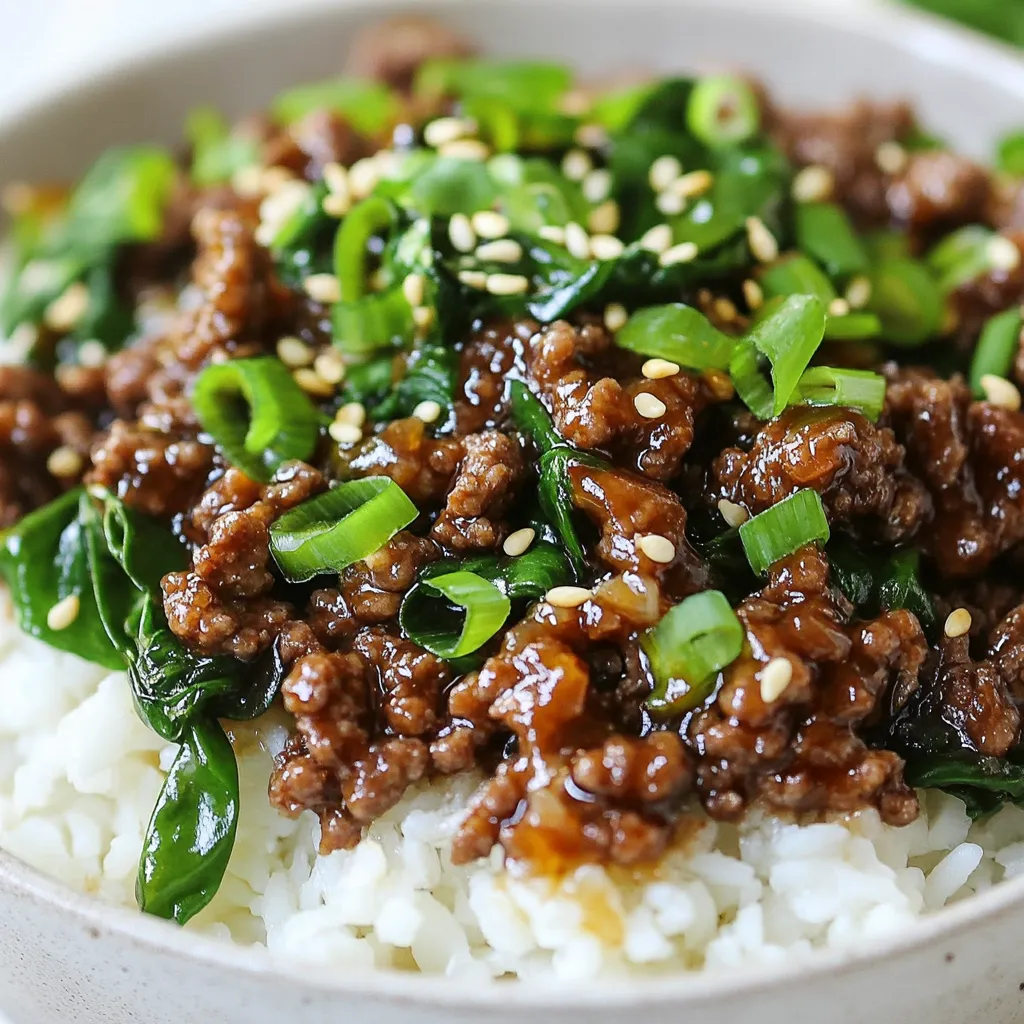
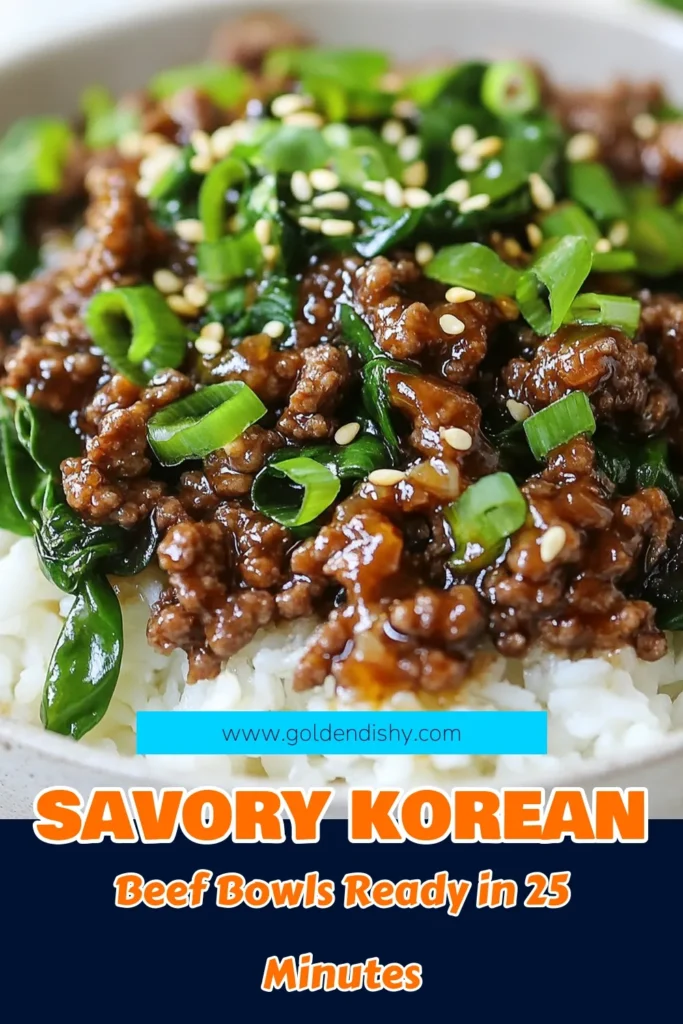
Craving a quick and tasty dinner? Look no further than Korean Beef Bowls! This dish is packed with flavor and takes only a few simple steps to prepare. With ground beef, fresh veggies, and a sweet yet spicy sauce, you’ll satisfy your hunger in no time. Let’s dive into the recipe and see how you can whip up this satisfying meal for yourself and your loved ones!
Why I Love This Recipe
- Quick and Easy: This recipe comes together in just 25 minutes, making it perfect for busy weeknights.
- Flavor Explosion: The combination of soy sauce, sesame oil, and gochujang creates a rich and savory sauce that elevates the ground beef.
- Customizable: You can easily swap ingredients like rice for cauliflower rice or spinach for bok choy to suit your preferences.
- Healthy and Satisfying: This dish is packed with protein and can be made lighter without sacrificing flavor.
Ingredients
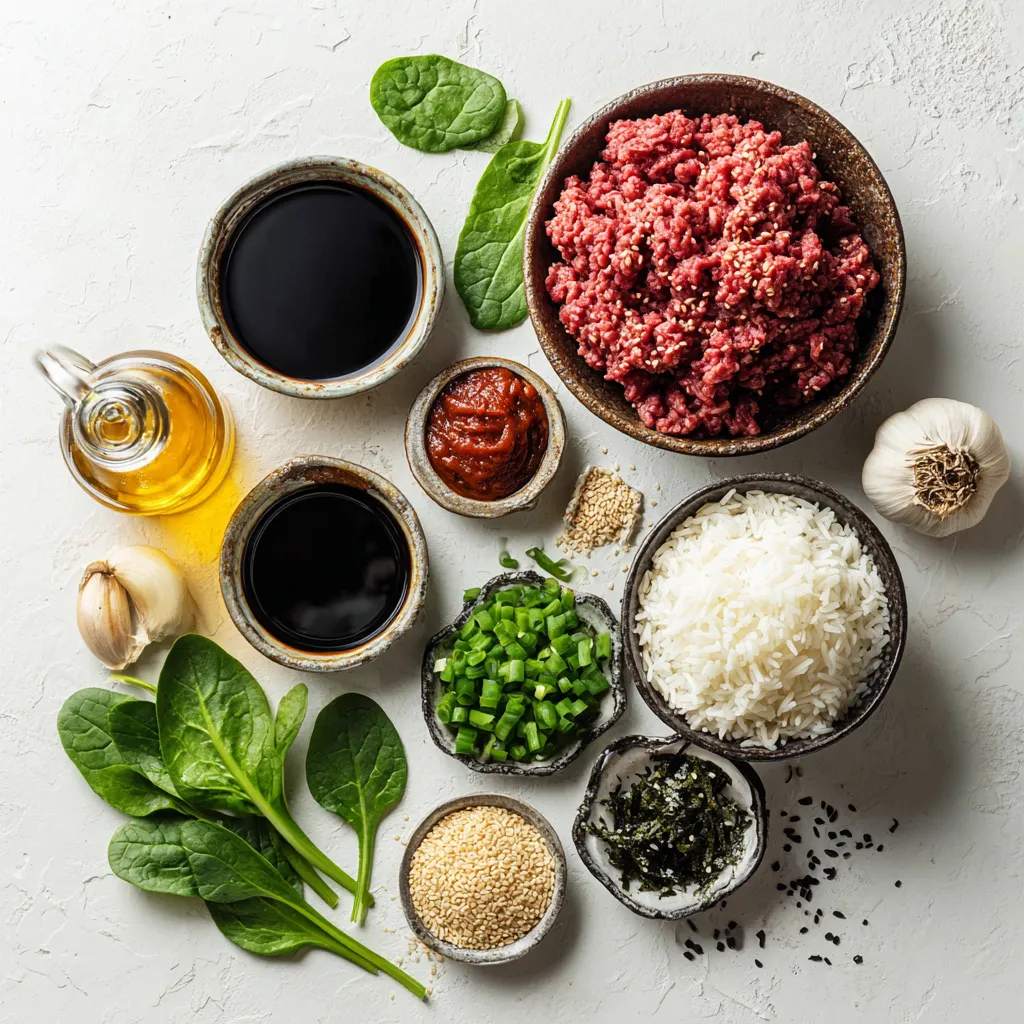
List of Ingredients
– 1 lb ground beef or lean ground sirloin
– 3 tablespoons soy sauce
– 1 tablespoon sesame oil
– 2 tablespoons brown sugar
– 1 tablespoon gochujang
– 2 cloves garlic, minced
– 1-inch piece of fresh ginger, grated
– 2 green onions, finely chopped (reserve some for garnish)
– 1 cup jasmine rice or cauliflower rice
– 1 cup fresh spinach or bok choy
– 2 teaspoons sesame seeds
– Salt and pepper
When I create Korean beef bowls, I focus on fresh ingredients. They make a big difference in flavor. The base starts with ground beef, or you can use lean ground sirloin for a healthier choice. Each bite needs the right balance of savory and sweet. The soy sauce, sesame oil, and brown sugar combine to make a delicious sauce.
Gochujang adds a spicy kick that really brings the dish to life. Minced garlic and grated ginger round out the taste. I love using fresh green onions to add a nice crunch.
For the rice, I often pick jasmine rice, but cauliflower rice works well for a low-carb option. Spinach or bok choy adds a great color and nutrients. Don’t forget the sesame seeds! They add a lovely crunch and look great on top.
Finally, season with salt and pepper to your taste. These ingredients come together to make a tasty and satisfying meal.
Step-by-Step Instructions
Cooking the Ground Beef
– Heat a large skillet on medium heat.
– Add 1 pound of ground beef to the skillet. Cook for 5-7 minutes.
– Stir frequently, breaking apart clumps with a spatula. Brown the beef well.
– If there is excess fat, carefully drain it out.
Preparing the Sauce
– In a small bowl, mix 3 tablespoons soy sauce, 1 tablespoon sesame oil, 2 tablespoons brown sugar, and 1 tablespoon gochujang.
– Add 2 cloves minced garlic and 1 inch grated ginger to the bowl.
– Whisk all the ingredients until they blend well.
– Pour this tasty sauce over the browned beef in the skillet. Stir to coat the beef evenly.
Combining Ingredients
– Add 2 finely chopped green onions to the skillet.
– Season with salt and pepper to taste. Mix well.
– To prepare the greens, steam 1 cup of spinach for 2 minutes until just wilted.
Assembling the Bowls
– Choose a bowl and scoop in 1 cup of jasmine rice or cauliflower rice as the base.
– Top the rice with the savory beef mixture and the spinach.
– Garnish your dish with a sprinkle of sesame seeds and some extra chopped green onions.
Tips & Tricks
Achieving the Best Flavor
For the best taste, adjust the sauce to fit your liking. You can add more gochujang if you want extra heat. Using fresh ingredients boosts flavor. Fresh green onions and ginger make a big difference. Don’t skip on these elements. They enhance the dish.
Cooking Techniques
To cook spinach, steaming works well. Steam it for just 2 minutes until it’s wilted. If you prefer sautéing, a quick stir in oil works too. Keep an eye on the beef. Overcooking can make it tough. Cook until it’s browned, about 5-7 minutes.
Presentation Suggestions
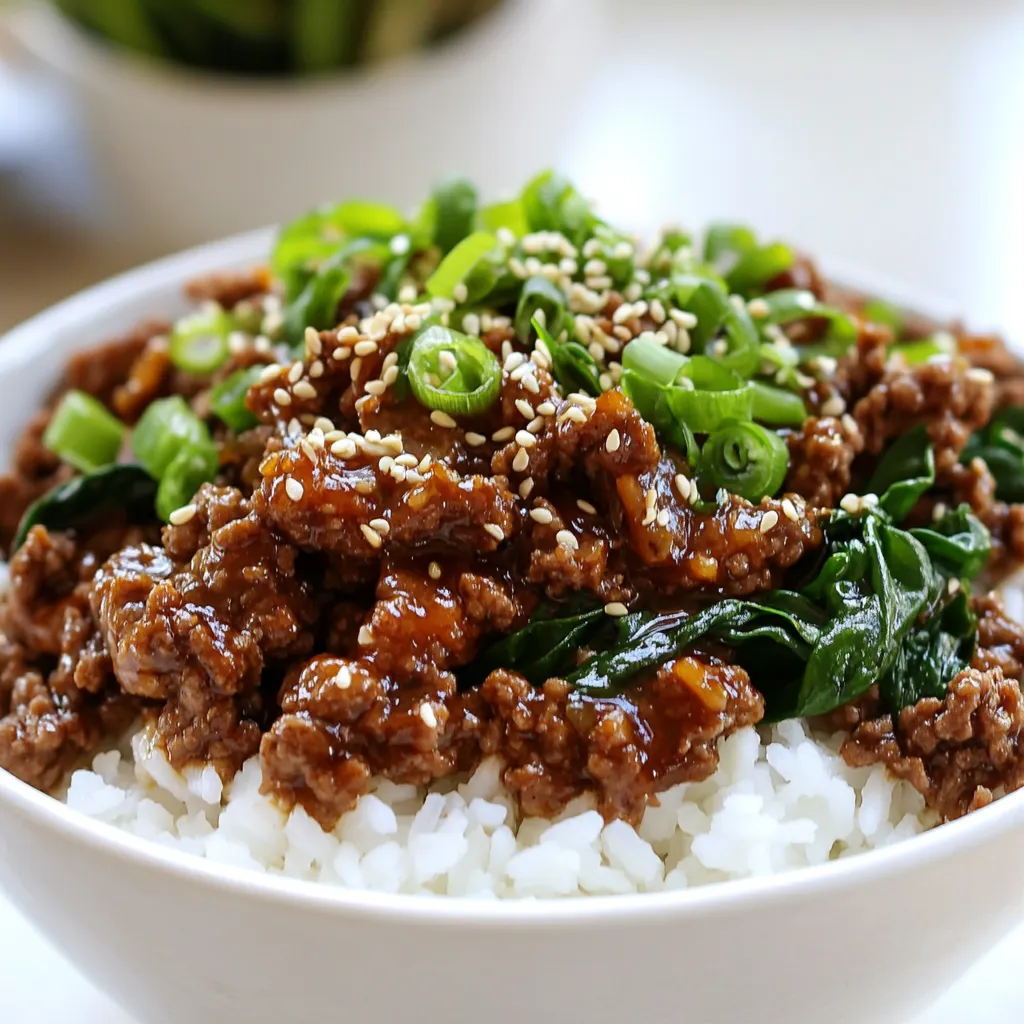
Garnishing adds fun to your meal. Sprinkle sesame seeds and extra green onions on top. Use a deep bowl to hold all the layers. A wide bowl lets you see the colorful layers. This makes your Korean beef bowl inviting and tasty.
Pro Tips
- Choose the Right Beef: For a leaner option, opt for ground sirloin instead of regular ground beef. It will reduce the fat content while still delivering great flavor.
- Balance the Heat: Adjust the amount of gochujang based on your spice preference. Start with less and add more if you prefer a spicier dish.
- Quick Cooking Greens: For the freshest taste, steam the spinach just until wilted. Overcooking can lead to a loss of nutrients and flavor.
- Perfect Rice Texture: Rinse jasmine rice before cooking to remove excess starch. This will help achieve a fluffier and less sticky texture.
Variations
Vegetarian or Vegan Options
You can easily make Korean beef bowls vegetarian or vegan. Try substituting ground beef with plant-based alternatives like lentils or veggie crumbles. These options keep the flavor but add more nutrients. Tofu is another great choice. You can cube firm tofu and sauté it until golden. Mushrooms work well too. They add a nice umami taste and texture.
Low-Carb Alternatives
For a low-carb meal, swap out rice for cauliflower rice. You can pulse cauliflower florets in a food processor until they resemble rice. Sauté it with a bit of oil for flavor. Another option is to use greens instead of rice. Spinach or bok choy adds freshness without the carbs.
Flavor Variations
Feel free to add other vegetables to your beef bowls. Bell peppers, carrots, or snap peas add color and crunch. Adjust the spice levels to your liking. If you want more heat, add extra gochujang or sliced chilies. You can also add a splash of lime juice for brightness.
Storage Info
Storing Leftovers
To keep your Korean beef bowls fresh, store leftovers in the fridge. Place them in an airtight container. Make sure to let the dish cool down before sealing it. This helps prevent moisture buildup. You can store the bowls for up to three days.
Reheating Suggestions
When you want to enjoy your leftovers, the best way is to use the microwave. Place the food in a microwave-safe dish and cover it loosely. Heat it for one to two minutes, stirring halfway. This helps heat evenly. If you want to keep the beef juicy, try reheating on the stove. Heat it gently over low heat, stirring often. This keeps the texture nice.
Freezing the Dish
If you want to save Korean beef bowls for later, freezing is a good option. Pack the beef and rice in separate freezer-safe containers. This helps keep the rice from getting mushy. Make sure to label the containers with the date. You can freeze them for up to three months.
When you’re ready to eat, take the bowl out of the freezer. Place it in the fridge overnight to thaw. For a quicker method, use the microwave on the defrost setting. Once thawed, reheat as mentioned earlier. Enjoy your meal anytime!
FAQs
What can I substitute for gochujang?
If you can’t find gochujang, don’t worry! You can use sriracha or red chili paste. Mix these with a bit of sugar to get a similar taste. Another option is to blend miso paste with chili powder. This can give you that nice umami flavor. Each substitute will change the taste a bit, but they can still make your dish tasty.
Can I make Korean beef bowls in advance?
Yes, you can prep these bowls ahead of time! Cook the beef and sauce, then store them in a sealed container. Keep the rice and greens separate to avoid sogginess. When ready to eat, just heat everything up and assemble. This way, you save time and enjoy a warm meal fast.
How do I make the dish spicier?
To add heat, use more gochujang in your sauce. You can also add sliced fresh chili peppers or red pepper flakes. If you want a smoky flavor, try adding chipotle powder. Adjust this to your taste, and remember to start small. You can always add more spice later.
This blog post covered the key ingredients and steps to make delicious Korean beef bowls. You learned how to cook the beef, prepare the sauce, and combine all the flavors. I shared tips for the best taste and fun variations to suit your diet. Remember, fresh ingredients make a big difference. Whether you want a quick meal or a tasty change, this dish fits the bill. Try it out and enjoy your delicious creatio
Savory Korean Beef Bowls
Ingredients
- 1 lb ground beef
- 3 tablespoons soy sauce
- 1 tablespoon sesame oil
- 2 tablespoons brown sugar
- 1 tablespoon gochujang
- 2 cloves garlic, minced
- 1 inch fresh ginger, grated
- 2 pieces green onions, finely chopped
- 1 cup freshly cooked jasmine rice
- 1 cup fresh spinach
- 2 teaspoons sesame seeds
- to taste salt and pepper
Instructions
- Heat a large skillet over medium heat and add the ground beef. Cook for about 5-7 minutes, stirring occasionally and breaking apart any clumps with a spatula, until the beef is nicely browned. If there’s excess fat, carefully drain it off.
- In a separate small mixing bowl, combine the soy sauce, sesame oil, brown sugar, gochujang, minced garlic, and grated ginger. Whisk the ingredients together until fully blended. Pour this flavorful sauce over the browned beef in the skillet, mixing well to ensure the beef is evenly coated. Allow it to simmer for an additional 2-3 minutes so that the flavors can meld beautifully.
- Add the finely chopped green onions to the skillet, and season with salt and pepper according to your preference. Stir well to combine all the ingredients.
- To prepare the greens, either steam the spinach in a pot or food steamer for about 2 minutes until it's just wilted, or sauté it briefly in a splash of oil over medium heat if you prefer a different texture.
- For assembly, take a bowl and place a generous scoop of the cooked jasmine or cauliflower rice at the bottom. Top it with the savory beef mixture and a handful of the sautéed or steamed spinach.
- Add the finishing touch by garnishing the bowl with a sprinkle of sesame seeds and extra chopped green onions to enhance both flavor and visual appeal.


![To make maple glazed butternut squash, you’ll need the following items: - 1 medium butternut squash, peeled and cut into 1-inch cubes - 3 tablespoons pure maple syrup - 2 tablespoons extra virgin olive oil - 1 teaspoon ground cinnamon - 1/2 teaspoon freshly grated nutmeg - 1/4 teaspoon cayenne pepper (optional, for a kick) - Sea salt and freshly cracked black pepper, to taste - 1/4 cup pecans, roughly chopped (for garnish) - Fresh parsley, finely chopped (for garnish) When cooking, measuring accurately is key. Use dry measuring cups for solid items like squash and nuts. For liquids, use a liquid measuring cup. Always level off dry ingredients with a straight edge. This step ensures you get the right amount for best results. You can swap ingredients based on your needs. If you prefer a sweeter taste, try honey instead of maple syrup. For a nut-free option, skip the pecans or use seeds like pumpkin seeds. Always check for allergies, especially with nuts and spices. To make maple glazed butternut squash, start by gathering your ingredients. You'll need: - 1 medium butternut squash, peeled and cut into 1-inch cubes - 3 tablespoons pure maple syrup - 2 tablespoons extra virgin olive oil - 1 teaspoon ground cinnamon - 1/2 teaspoon freshly grated nutmeg - 1/4 teaspoon cayenne pepper (optional) - Sea salt and freshly cracked black pepper, to taste - 1/4 cup pecans, roughly chopped (for garnish) - Fresh parsley, finely chopped (for garnish) First, preheat your oven to 400°F (200°C). This step is key for good roasting. Next, peel and cube the butternut squash. Place the cubes in a large bowl. Drizzle the olive oil and maple syrup over the squash. Then, sprinkle the ground cinnamon, nutmeg, cayenne, sea salt, and black pepper. Toss gently until all the pieces are well coated. Now, it's time to roast your squash. Line a baking sheet with parchment paper. This helps prevent sticking and makes cleanup easy. Spread the coated squash in a single layer on the sheet. Place the baking sheet in the oven. Roast the squash for 25-30 minutes. About halfway through the cooking time, stir the squash. This ensures all sides caramelize and cook evenly. When the squash is fork-tender and has a nice golden color, it's done. Remove it from the oven and let it cool for 2-3 minutes. To get that perfect caramelization, watch your cooking time closely. Stirring halfway through helps. The key is to spread the squash out evenly. If it's too crowded, it will steam instead of roast. You can also adjust the maple syrup for sweetness. A little extra can help with caramelization. If you like a kick, add the cayenne pepper. It balances the sweet and savory flavors beautifully. Once cooked, transfer the squash to a serving dish. Top with chopped pecans and parsley for a fresh touch. This dish is sure to impress! For the complete recipe, check out the [Full Recipe]. When making maple glazed butternut squash, avoid cutting the squash too small. Smaller pieces cook too fast and can burn. Also, don’t skip the olive oil. It helps the squash caramelize and adds flavor. Overcrowding the baking sheet is another mistake. Leave space between the cubes to ensure even cooking. To boost the flavor, add a splash of balsamic vinegar before roasting. This adds depth to the sweetness. Try different spices, too. A pinch of smoked paprika can give a nice twist. For a savory touch, mix in garlic powder or fresh garlic. These will elevate your dish. Use a sturdy baking sheet lined with parchment paper. This helps with easy cleanup and prevents sticking. A large mixing bowl is great for tossing the squash and spices. If you have one, a vegetable peeler makes peeling the squash quick and easy. For a perfect roast, an oven thermometer ensures your oven is at the right temperature. For the full recipe, refer to the above instructions. {{image_4}} You can make this dish even better by adding other veggies. Try sweet potatoes for a richer flavor. Carrots add sweetness and color, while red onions bring a slight bite. Just cut them into similar sizes as the squash. Toss them in the same maple glaze for a yummy blend. You’ll create a colorful and flavorful dish that everyone will love. Want to change the taste? You can use different spices. Try ginger for a warm kick. If you like it spicy, add more cayenne pepper. You can also use smoked paprika for a smoky flavor. Experiment with herbs like thyme or rosemary. Just remember to keep it balanced, so no single flavor overpowers the dish. This recipe is naturally vegan and gluten-free. You can enjoy it without worry. If you want to add protein, try chickpeas. They pair well with the flavors and add a nice crunch. For those who need low-carb options, skip the maple syrup and use a sugar substitute. It’s easy to adapt this dish to fit your needs. For the full recipe, check out the detailed instructions above. To keep your maple glazed butternut squash fresh, store it in an airtight container. Let the squash cool down after cooking. Then, place it in the fridge. It will stay fresh for about 3 to 5 days. If you want to keep it longer, consider freezing. Reheat your butternut squash in the oven for the best results. Preheat your oven to 350°F (175°C). Spread the squash on a baking sheet. Heat it for about 10-15 minutes or until warm. You can also use the microwave. Place it in a microwave-safe dish and cover it. Heat in short bursts, checking to avoid overcooking. Freezing is a great way to save this dish for later. First, let the squash cool completely. Then, spread it on a baking sheet in a single layer. Freeze it for about 1-2 hours until firm. Once frozen, transfer the squash to a freezer-safe bag or container. It can last for up to 3 months in the freezer. When ready to eat, thaw overnight in the fridge before reheating. For more details, check the Full Recipe. Yes, you can prepare this dish ahead of time. Cook the butternut squash and let it cool. Store it in an airtight container in the fridge. You can make it up to two days in advance. When you're ready to eat, just reheat it in the oven or microwave. This makes it great for meal prep. Maple glazed butternut squash lasts about 3 to 5 days in the fridge. Make sure it’s in a sealed container. Check for any signs of spoilage before eating. If it looks or smells off, it’s best to toss it. Freshness is key for enjoying this tasty dish. You can pair this dish with many foods. It goes well with roasted chicken or turkey. You can also serve it with quinoa or brown rice for a healthy meal. For a vegetarian option, pair it with a bean salad. The sweet and savory flavors work well with many sides. For more details on how to whip up this incredible dish, check out the Full Recipe. This guide walked you through each step of making Maple Glazed Butternut Squash. We covered ingredients, how to prepare, cook, and store your dish. I shared tips to avoid mistakes and ideas for adding your own twist. Remember, the key to perfect caramelization is patience. Enjoy experimenting with flavors and variations. This dish can be a crowd-pleaser and is easy to adapt. I hope you feel ready to try it out. Enjoy your cooking!](https://goldendishy.com/wp-content/uploads/2025/07/e9e7eb41-1a1b-4d7a-9d20-35ffe8b1aa92-768x768.webp)