Lemon Herb Quinoa Salad Fresh and Flavorful Recipe
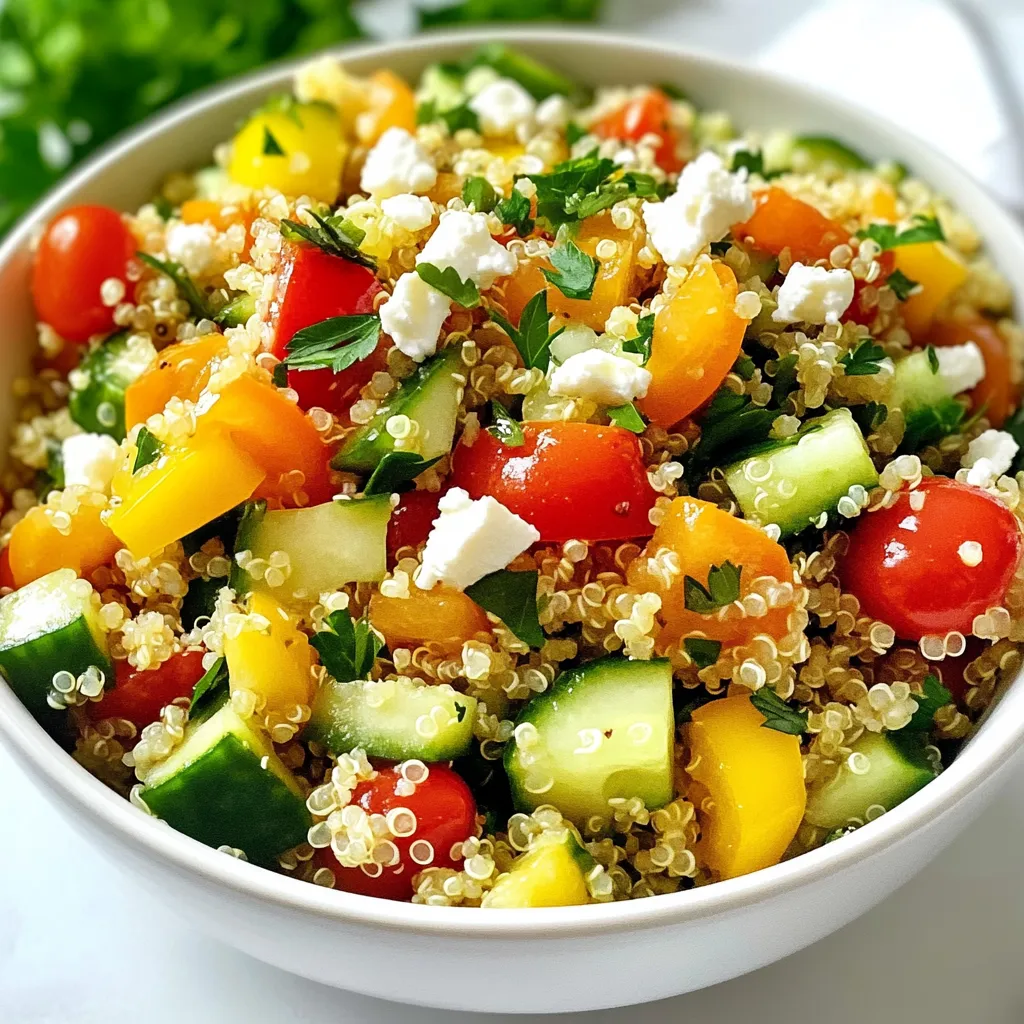
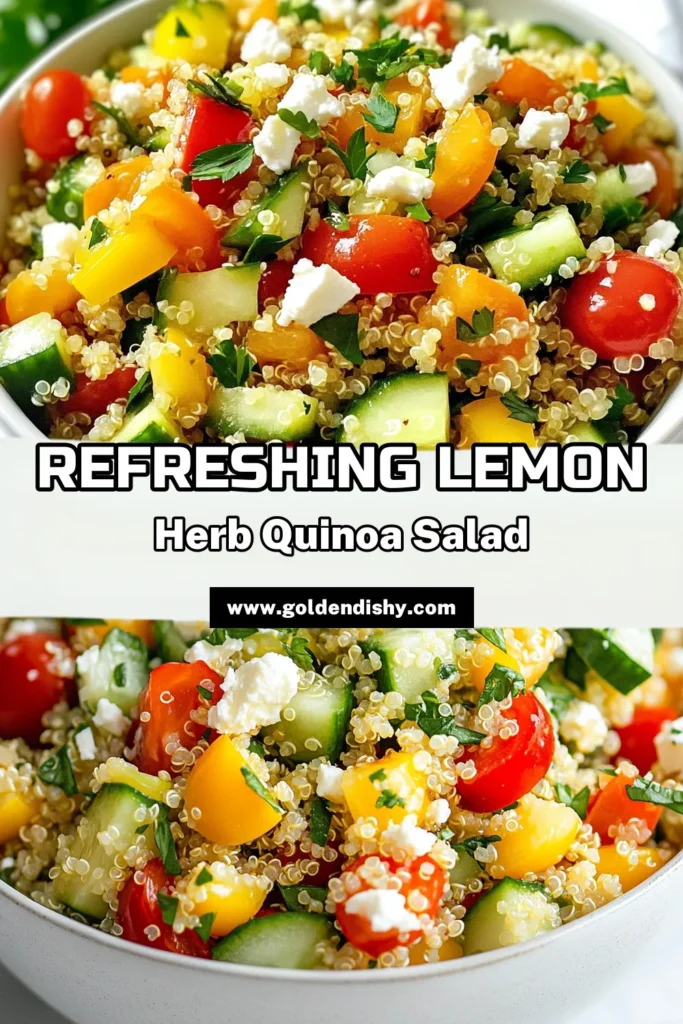
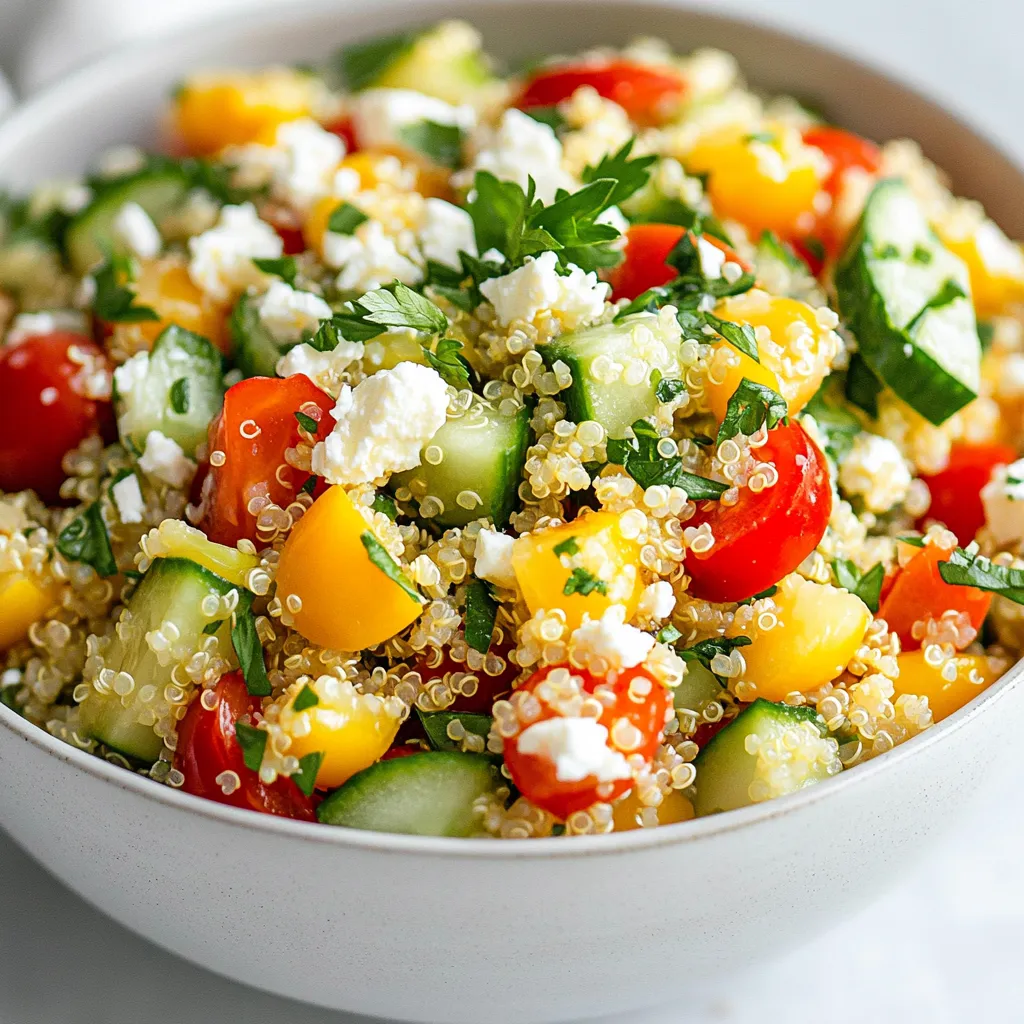
Looking for a bright, fresh dish that’s easy to whip up? This Lemon Herb Quinoa Salad is a vibrant blend of wholesome ingredients that burst with flavor. Packed with fresh veggies, zesty lemon, and aromatic herbs, it’s perfect for meal prep or a quick weeknight dinner. Join me as we dive into this simple recipe that not only satisfies your taste buds but also nourishes your body. Let’s get started!
Why I Love This Recipe
- Fresh Ingredients: This salad is packed with vibrant, fresh vegetables that not only add color but also a burst of flavor to every bite.
- Easy to Prepare: With minimal cooking and preparation time, this dish is perfect for a quick lunch or a side at dinner.
- Versatile Dish: You can easily customize this salad by adding your favorite proteins or swapping out vegetables based on what you have on hand.
- Health Benefits: Quinoa is a nutritious grain that is high in protein and fiber, making this salad both filling and healthy.
Ingredients
List of Ingredients
– Quinoa and Broth
– 1 cup quinoa
– 2 cups vegetable broth or water
– Fresh Vegetables
– 1 large cucumber, diced
– 1 bell pepper (choose red or yellow), diced
– 1 cup cherry tomatoes, halved
– 1/4 red onion, finely chopped
– Herbs and Dressing
– 1/2 cup fresh parsley, chopped
– 1/4 cup fresh mint, chopped
– Zest and juice of 1 large lemon
– 3 tablespoons extra virgin olive oil
– Salt and freshly ground black pepper to taste
– Optional Ingredients
– 1/4 cup feta cheese, crumbled
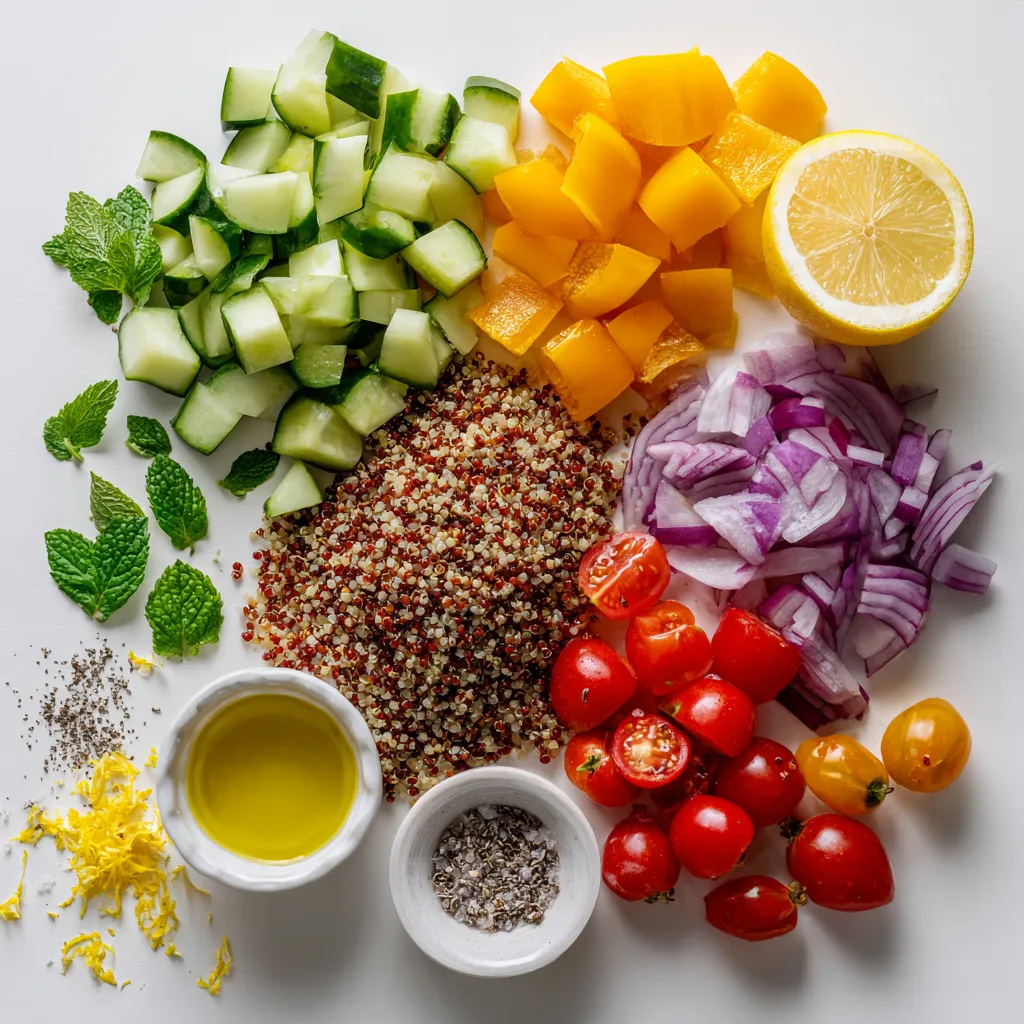
When making Lemon Herb Quinoa Salad, each ingredient adds a unique taste. Quinoa serves as the base. It is protein-rich and gluten-free. Vegetable broth or water cooks the quinoa. This step creates a flavorful grain.
Fresh vegetables bring crunch and color. The cucumber adds a cool taste. Bell peppers offer sweetness. Cherry tomatoes provide juicy bursts. Red onion gives a sharp note that balances the salad.
Herbs like parsley and mint add freshness. They enhance the salad’s aroma and flavor. The dressing mixes lemon zest, lemon juice, and olive oil. This tangy and bright blend ties everything together.
For added flavor, you can sprinkle feta cheese. This creamy cheese balances the salad’s freshness. Enjoy the burst of flavors in every bite!
Step-by-Step Instructions
Preparing the Quinoa
– Rinsing the Quinoa
Start by rinsing 1 cup of quinoa under cold water. Use a fine mesh strainer. This step removes any bitterness. Make sure it drains well after rinsing.
– Cooking the Quinoa
In a medium saucepan, add the rinsed quinoa and 2 cups of vegetable broth or water. Bring this mixture to a boil. Once it’s boiling, lower the heat to a simmer. Cover the pot and let it cook for about 15 minutes. The quinoa will absorb all the liquid and become fluffy. After cooking, take it off the heat. Let it sit, covered, for 5 more minutes to steam. Fluff it with a fork and set it aside to cool.
– Fluffing and Cooling
After the quinoa has cooled slightly, it will be ready to mix into your salad.
Mixing the Salad
– Combining Fresh Vegetables
In a large mixing bowl, add the diced cucumber, diced bell pepper, halved cherry tomatoes, finely chopped red onion, chopped parsley, and chopped mint. Toss them gently to mix.
– Adding Quinoa to the Mix
Once the quinoa is cool, add it to the bowl of fresh vegetables. This will build the base of your salad.
Preparing the Dressing
– Mixing Lemon Zest and Juice
In a small bowl or jar, zest 1 large lemon. Then squeeze the lemon to get its juice.
– Whisking the Dressing Ingredients
Add the lemon zest and juice to the bowl. Then, pour in 3 tablespoons of extra virgin olive oil. Season with a pinch of salt and pepper. Whisk until all the ingredients blend well.
Final Assembly
– Drizzling the Dressing
Drizzle the dressing over the quinoa salad mix. This adds bright flavor.
– Tossing the Salad
Toss everything together gently. This helps to coat all the ingredients evenly with the dressing. If you like, you can sprinkle crumbled feta cheese on top. Adjust the seasoning if needed. Enjoy your fresh and flavorful Lemon Herb Quinoa Salad!
Tips & Tricks
Perfecting Quinoa Cooking
Avoiding Bitterness
To avoid bitterness, always rinse your quinoa. Place it in a fine mesh strainer. Run cold water over it for a couple of minutes. This step washes off the saponins, which cause that bitter taste. It’s simple but very important!
Achieving Fluffiness
To get fluffy quinoa, use the right water ratio. For every cup of quinoa, use two cups of liquid. After boiling, simmer it gently. Let it steam for five minutes after cooking. Then, fluff it with a fork. These steps make the quinoa light and airy.
Seasonal Serving Suggestions
Best Times to Enjoy
This salad shines in spring and summer. Fresh veggies are at their best. The bright lemon flavor feels refreshing. Serve it at picnics or barbecues. It’s a perfect side dish or a light meal.
Meal Prep Ideas
You can make this salad ahead of time. It stays good in the fridge for a few days. Pack it for lunches or quick dinners. Just store the dressing separately. Add it right before eating for maximum freshness.
Adjusting Flavor
Seasoning Options
Feel free to play with the seasoning. Add more salt or pepper if you like. A pinch of garlic powder can enhance the taste. You can also add a splash of hot sauce for some heat.
Alternative Dressings
If you want a different dressing, try balsamic vinegar. It gives a sweet twist. You can also use yogurt for creaminess. Experiment with your favorite flavors to make it your own!
Pro Tips
- Rinse the Quinoa: Always rinse quinoa under cold water before cooking to remove its natural coating, called saponin, which can impart a bitter taste.
- Cooling the Quinoa: Allow the cooked quinoa to cool slightly before mixing it with the vegetables to prevent wilting and ensure the salad stays fresh and crisp.
- Fresh Herbs: Use fresh herbs for the best flavor. If possible, chop them just before adding to the salad to maximize their aroma and taste.
- Adjust to Taste: Taste the salad before serving and feel free to adjust the seasoning with more salt, pepper, or lemon juice to suit your preference.
Variations
Ingredient Substitutions
Swap for Different Grains
If you want a twist, try other grains. You can use farro, barley, or even brown rice. Each grain brings a unique texture and flavor.
Adding Protein Options
Boost the protein in your salad. Add chickpeas, black beans, or diced chicken. These options make the salad more filling and tasty.
Flavor Enhancements
Introducing Spices
Want to spice things up? Add cumin, paprika, or chili flakes. A pinch of these spices can elevate your dish and add warmth.
Using Different Herbs
Switch up the herbs for a new flavor. Try basil, cilantro, or dill. Each herb adds its own special taste and aroma to the salad.
Presentation Ideas
Serving Styles
Serve the salad in a big bowl for sharing. You can also put it in individual cups for a fun touch at parties. This makes it easy to grab and enjoy.
Garnishing Options
Garnish with extra herbs or lemon slices. A sprinkle of seeds or nuts adds crunch. These finishing touches make your salad look and taste amazing.
Storage Info
Storing Leftovers
– Ideal Storage Containers: Use airtight containers to keep your salad fresh. Glass or plastic containers work well.
– Duration of Freshness: The salad stays good for up to four days in the fridge. After that, the veggies may lose their crunch.
Reheating Tips
– Best Practices for Quality: Since this salad is best served cold, I recommend enjoying it straight from the fridge. If you prefer it warm, heat the quinoa only, then mix it back in.
– Serving Suggestions for Leftovers: Pair the salad with grilled chicken or fish for a hearty meal. You can also add it to wraps or pita pockets for a tasty lunch.
FAQs
How can I make this salad vegan?
You can make this salad vegan by simply omitting the feta cheese. The salad still tastes great without it. You can add extra herbs or nuts for flavor and texture.
What can I use instead of feta cheese?
Instead of feta cheese, you can try using avocado or a dairy-free cheese. These options add creaminess without the dairy. You can also skip cheese entirely for a lighter salad.
How long does the salad last in the fridge?
This salad lasts about three to four days in the fridge. Store it in an airtight container for best freshness. Always check for any off smells before eating.
Can I make the salad in advance?
Yes! You can make this salad a day ahead. Just keep the dressing separate until you are ready to serve. This keeps the salad fresh and crunchy.
Is quinoa healthy and what are its benefits?
Quinoa is a superfood rich in protein and fiber. It helps keep you full and provides energy. It also contains vitamins and minerals, making it a great choice for any meal.
This blog post covered how to make a tasty quinoa salad. We explored the key ingredients, step-by-step instructions, and tips for success. You learned how to cook quinoa, mix fresh veggies, and whip up a zesty dressing. We also discussed variations and how to store leftovers for later.
Incorporating quinoa into your meals offers health benefits and delightful flavors. Don’t be afraid to experiment with your ingredients and adjust flavors. Enjoy your salad adventur
Zesty Lemon Herb Quinoa Salad
Ingredients
- 1 cup quinoa
- 2 cups vegetable broth or water
- 1 large cucumber, diced
- 1 large bell pepper, diced
- 1 cup cherry tomatoes, halved
- 1/4 cup red onion, finely chopped
- 1/2 cup fresh parsley, chopped
- 1/4 cup fresh mint, chopped
- 1 large lemon, zest and juice
- 3 tablespoons extra virgin olive oil
- to taste salt
- to taste freshly ground black pepper
- 1/4 cup feta cheese, crumbled (optional)
Instructions
- Begin by rinsing the quinoa under cold running water in a fine mesh strainer. This step is crucial for removing any bitterness. After rinsing, allow it to drain completely.
- In a medium saucepan, combine the rinsed quinoa with your choice of vegetable broth or water. Bring this mixture to a vigorous boil. Once boiling, lower the heat to a gentle simmer. Cover the saucepan and allow the quinoa to cook for about 15 minutes, or until the grains are fluffy and all the liquid has been absorbed. After cooking, remove the saucepan from heat and let the quinoa sit, covered, for an additional 5 minutes to steam. Fluff with a fork and set aside to cool slightly.
- While the quinoa is cooling, take a large mixing bowl and add the diced cucumber, diced bell pepper, halved cherry tomatoes, finely chopped red onion, chopped parsley, and chopped mint. Toss the vegetables gently to combine them.
- Once cooled, add the prepared quinoa to the bowl of vegetables.
- For the dressing, in a small bowl or jar, whisk together the lemon zest, freshly squeezed lemon juice, extra virgin olive oil, and a pinch of salt and pepper. Blend until well combined.
- Drizzle the dressing over the quinoa salad mixture, and toss everything together gently to ensure the salad is evenly coated.
- If you like, sprinkle crumbled feta cheese on top of the salad right before serving for an extra burst of flavor.
- Taste the salad and adjust the seasoning by adding more salt, pepper, or lemon juice according to your preference.
![- Bell Peppers: I like using large bell peppers. You can choose any color you like: red, yellow, or green. They all taste great! Make sure they are firm and fresh. Each pepper should hold the stuffing well. - Ground Chicken and Dairy: Ground chicken adds a light flavor. It cooks quickly and blends well with other ingredients. Pair it with shredded cheddar cheese for a creamy touch. The cheese melts beautifully, making the dish extra yummy. - Enhancing Ingredients: I always add cooked rice to the mix. It gives the dish a nice texture. Black beans are great too; they add protein and fiber. Corn brings sweetness and color. Together, these ingredients create a hearty filling. - Essential Spices: Be sure to use chili powder, ground cumin, garlic powder, and onion powder. These spices pack flavor into the filling. A sprinkle of salt and pepper brings everything together. - Optional Garnishes: Fresh cilantro adds a burst of flavor. It makes the dish look more vibrant. You can also use a dollop of sour cream for creaminess. - Recommended Sides: Serve the stuffed peppers with a simple salad. A side of rice or quinoa pairs well too. You can also add some tortilla chips for crunch. - Display Ideas: For a beautiful presentation, place each stuffed pepper on a plate. Drizzle a bit of olive oil on top for shine. Add some chopped cilantro for color. This makes the meal look as good as it tastes! For the complete recipe, check out the Full Recipe. 1. Preheat your oven to 375°F (190°C). This step is key for even cooking. 2. Grab four large bell peppers. Cut off the tops and remove the seeds. Rinse the insides to clean them well. 3. Lightly coat the outside of each pepper with olive oil. Stand them upright in a 9x13 inch baking dish. 1. Heat a skillet over medium heat. Add 1 pound of ground chicken to the pan. 2. Cook the chicken for 5-7 minutes. Stir and break it apart until it turns brown. 3. Once cooked, mix in 1 cup of cooked rice, 1 cup of rinsed black beans, and 1 cup of corn. 4. Add 3/4 cup of shredded cheddar cheese, 1 teaspoon of chili powder, 1 teaspoon of cumin, 1 teaspoon of garlic powder, and 1/2 teaspoon of onion powder. Season with salt and pepper to taste. Stir for 2-3 minutes. 1. Generously fill each bell pepper with the chicken and cheese mixture. Pack it well. 2. Sprinkle the remaining 1/4 cup of cheese on top of the stuffed peppers. 3. Cover the dish with aluminum foil to trap steam. Bake in the preheated oven for 30 minutes. 4. After 30 minutes, remove the foil. Continue baking for 10-15 minutes, until the cheese is bubbly and golden. 5. Check if the peppers are tender by piercing them with a fork. 6. Allow them to cool for a few minutes after baking. Optionally, garnish with fresh cilantro for extra flavor. For the complete recipe, check out the [Full Recipe]. What are common mistakes to avoid? One mistake is overcooking the chicken. Cook it just until it's brown. If you use too much salt, it can ruin the flavor. Taste your mixture before stuffing the peppers. How can you ensure even cooking? Make sure all your peppers are the same size. This will help them cook at the same rate. Cover them with foil for part of the baking time. This keeps the heat in and helps them cook through. What are some suggestions for adding extra flavor? Try adding diced tomatoes or jalapeños for a kick. You can also mix in some spices like paprika or cayenne pepper. Fresh herbs like parsley or basil can brighten the dish. What are some ingredient swaps for dietary preferences? For a lower-carb option, replace rice with cauliflower rice. Use ground turkey or tofu for a different protein. You can also swap cheddar cheese for a dairy-free cheese for a vegan option. What cooking methods can you use? You can air fry the stuffed peppers for a crispy texture. Just set the air fryer to 375°F and cook them for about 15-20 minutes. Grilling is another fun method. Just wrap the peppers in foil and place them on the grill. How do you maintain moisture in stuffed peppers? Add a splash of chicken broth to the bottom of the baking dish. This creates steam as they cook. Avoid overstuffing the peppers; too much filling can lead to dryness. For the full recipe, check out the recipe section above. {{image_4}} You can change the ground chicken in your stuffed peppers. Use ground turkey or beef instead. These meats add different flavors and textures. If you want a vegetarian option, try using quinoa or lentils. These ingredients pack a protein punch and keep the dish hearty. For a vegan twist, use a mix of beans and mushrooms. They add a nice texture and flavor. You can also use tofu crumbles, which absorb spices well. This makes your meal rich and filling while keeping it plant-based. You can spice up your stuffed peppers with different flavors. Why not try a Mexican twist? Add taco seasoning or jalapeños for heat. A dash of lime juice brightens the dish. If you love Italian flavors, mix in some Italian herbs like oregano or basil. You could also add marinara sauce to the filling. This creates a rich and comforting taste. Want a twist? Try adding olives, capers, or feta cheese. These ingredients bring unique textures and flavors. They turn a simple meal into something exciting. For those needing gluten-free meals, this recipe is easy to adapt. Use rice instead of breadcrumbs for filling. Always check labels on canned items like beans and corn. They should be gluten-free. If you follow a low-carb diet, you can swap rice for cauliflower rice. This keeps the dish light and low in carbs. You can also skip the beans to reduce carbs even more. These variations help everyone enjoy this tasty meal. No matter your diet, you can find a way to enjoy chicken and cheese stuffed peppers. After you make your chicken and cheese stuffed peppers, let them cool down. This helps keep them fresh. Store them in an airtight container. They will stay good in the fridge for about 3 to 4 days. If you have leftovers, try to eat them within this time. To reheat, place them in the oven or microwave until warm. If you want to keep your stuffed peppers for a longer time, freezing is a great option. First, let them cool completely. Wrap each pepper tightly with plastic wrap. Then, put them in a freezer bag or container. This helps avoid freezer burn. They can last up to 3 months in the freezer. When you're ready to eat, take them out and thaw in the fridge overnight. Reheat them in the oven at 375°F until hot. This will keep the flavors and textures intact. Meal prepping can save time on busy weeknights. You can prepare the filling ahead of time. Cook the chicken and mix in the rice, beans, and spices. Store this mixture in the fridge for 2 to 3 days. When you're ready, stuff the peppers and bake them. For batch cooking, consider making a double recipe. Freeze half for later. This way, you have a tasty meal ready whenever you need it. How do you know when stuffed peppers are done? You can tell when stuffed peppers are done by checking the peppers and cheese. The peppers should be tender and the cheese melted and bubbly. If you pierce a pepper with a fork, it should feel soft but not mushy. Can you prepare them in advance? Yes, you can prepare stuffed peppers in advance. Just stuff them and store them in the fridge. Bake them when you're ready to eat. This makes for a quick and easy family meal. Can I use frozen peppers? Yes, you can use frozen peppers. Just thaw them before stuffing. They may cook faster, so keep an eye on them while baking. What to do if I don't have certain ingredients? If you lack certain ingredients, feel free to swap them out. For example, use quinoa instead of rice or a different type of cheese. Get creative based on what you have! Can stuffed peppers be made on the stovetop? Yes, you can make stuffed peppers on the stovetop. Just steam them in a skillet with a little water. Cover with a lid and cook until tender. How to adjust heating times for different ovens? Oven temperatures can vary. If your oven runs hot, check the peppers a few minutes early. If it runs cool, you may need to add a few extra minutes. Always trust your instincts! We covered the best way to make stuffed peppers. You learned about key ingredients like bell peppers, ground chicken, and spices. You also discovered tips for cooking and storing them. There are many ways to adjust the recipe for different diets and tastes. Incorporating these ideas will make your dish delicious. Get creative with flavors and toppings. With practice, you'll master this easy meal for any occasion. Enjoy your cooking journey!](https://goldendishy.com/wp-content/uploads/2025/06/69b5c483-258e-4498-8701-d043fb5fc497-768x768.webp)
. This Buddha bowl recipe highlights the joy of crispy tofu and fresh veggies. You learned about key ingredients like firm tofu, quinoa, and avocado. I shared tips for prepping and baking tofu to keep it crispy. Customize your bowl with different grains and seasonal veggies for variety. Lastly, my storage tips help you enjoy leftovers later. Make this dish your own, and enjoy healthy eating!](https://goldendishy.com/wp-content/uploads/2025/06/f58aaf25-4393-4431-ab1e-3aeff1cd4ada-768x768.webp)
![To make vegan creamy pesto pasta, gather these fresh and simple ingredients. - 12 oz pasta (penne, spaghetti, or your favorite variety) - 2 cups fresh basil leaves, tightly packed - 1/2 cup raw cashews (soaked in water for at least 2 hours) - 1/4 cup nutritional yeast (for a cheesy flavor) - 3 cloves garlic, minced - 1/4 cup extra virgin olive oil - 1 tablespoon fresh lemon juice - Sea salt and freshly ground black pepper, to taste - 1 cup cherry tomatoes, halved (for topping) - Extra fresh basil leaves (for garnish) Each ingredient plays a vital role. The pasta is the base, while basil brings freshness. Cashews create a rich, creamy texture. Nutritional yeast adds a cheesy taste, perfect for vegan dishes. Garlic gives depth, while olive oil provides smoothness. Lemon juice brightens the flavors. Salt and pepper enhance everything. Cherry tomatoes add color and sweetness. Extra basil leaves make the dish look beautiful. For the full recipe, check out the link to ensure a delicious meal! First, fill a large pot with water and add a generous amount of salt. Bring the water to a rapid boil. This step is key; the salt helps flavor the pasta. Once boiling, add 12 ounces of your favorite pasta, like penne or spaghetti. Cook according to the package instructions. You want the pasta to be al dente, which means it should be tender but still firm to bite. Usually, this takes about 8 to 12 minutes. When the pasta is ready, drain it well and set it aside. Next, it’s time to make the vegan pesto. Grab your blender or food processor. Add 2 cups of fresh basil leaves, 1/2 cup of soaked raw cashews, and 1/4 cup of nutritional yeast. Also, include 3 cloves of minced garlic and 1 tablespoon of fresh lemon juice. Season with a pinch of sea salt and freshly ground black pepper. Blend this mixture until it becomes smooth and creamy. If it doesn't blend well, scrape down the sides of the blender and blend again until you get a silky texture. Now, combine the drained pasta with the creamy pesto sauce. Use a large mixing bowl for this. Pour the pesto over the pasta. With a pair of tongs or a spatula, toss everything together. Ensure that each piece of pasta gets coated with the vibrant pesto. If the sauce looks too thick, add a little water, one teaspoon at a time, until it reaches the desired consistency. Don't forget to taste! Adjust the seasoning with more salt, pepper, or lemon juice if needed. Finally, gently fold in 1 cup of halved cherry tomatoes for a fresh burst of flavor. Serve this delicious dish warm, garnished with extra basil leaves. Enjoy your vegan creamy pesto pasta! For the complete recipe, check the [Full Recipe]. Soaked cashews are the secret to a smooth and creamy sauce. They soften and blend well, making the pesto rich. Soak them in water for at least two hours before use. This step is key for a silky texture. If your pesto is too thick, don’t worry. Just add water! Start with a teaspoon at a time. Blend until you reach your desired creaminess. This helps the sauce hug the pasta perfectly. Don’t stop at just basil! You can spice it up with some red pepper flakes for heat. A pinch of black pepper adds depth. Try adding a bit of garlic powder for more flavor. Lemon juice adds freshness, but balance is key. If it’s too tangy, add a pinch of sugar or more cashews. This helps round out the flavors and brings the dish to life. Pair this pasta with roasted vegetables for a colorful plate. A side salad adds crunch and freshness. For a drink, consider a light white wine, like Sauvignon Blanc. As for portion sizes, aim for about one and a half cups per person. This ensures everyone leaves satisfied. Enjoy this dish warm for the best flavor experience! {{image_4}} You can change nuts or seeds in your pesto. Try using almonds or sunflower seeds. Each option brings a unique taste. For those avoiding gluten, select gluten-free pasta. Options like brown rice or chickpea pasta work well. Both choices give a nice texture and flavor. To mix up the flavor, add different herbs like parsley or spinach. These herbs bring extra freshness to your dish. You can also incorporate various vegan cheeses. Options like cashew cheese or nutritional yeast can enhance the creamy taste. This helps create layers of flavor in your pesto. Make your dish fresh by using seasonal veggies. For example, zucchini or asparagus can add crunch and color. You can also try different tomatoes. Roasted tomatoes can bring a sweet touch, while cherry tomatoes add a pop of freshness. Finish with garnishes like pine nuts or extra basil for a lovely look. For the complete recipe, check the Full Recipe. After enjoying your vegan creamy pesto pasta, store any leftovers in an airtight container. This keeps the pasta fresh and tasty. Place it in the fridge right away. The best storage time is up to 3 days. Beyond that, the pasta may lose its flavor and texture. To reheat your pasta, the best method is using a stovetop. Heat a pan over medium heat. Add a splash of water or olive oil to keep it moist. Stir gently to warm it up. When reheating, avoid high heat, as this can dry out the sauce. You want to keep that creamy goodness intact. Enjoy your delicious meal again! To make vegan creamy pesto pasta, follow these simple steps: 1. Cook the Pasta: Bring salted water to a boil. Add 12 oz of your pasta and cook until tender. This usually takes about 8-12 minutes. Drain and set aside. 2. Prepare the Pesto: In a blender, add 2 cups of fresh basil leaves, 1/2 cup of soaked raw cashews, and 3 minced garlic cloves. Pour in 1/4 cup of nutritional yeast and 1 tablespoon of lemon juice. Add a pinch of sea salt and black pepper. Blend until smooth. 3. Emulsify with Olive Oil: While blending, slowly add 1/4 cup of extra virgin olive oil. Keep blending until creamy. If it’s too thick, add water, one teaspoon at a time. 4. Combine Pasta and Pesto: In a large bowl, mix the drained pasta with your creamy pesto. Toss gently to coat the pasta well. 5. Final Touches: Taste the mix and adjust the seasoning. Fold in 1 cup of halved cherry tomatoes for a fresh touch. 6. Serve: Serve warm with extra basil leaves on top. Enjoy your delicious vegan creamy pesto pasta! Yes, you can freeze vegan creamy pesto pasta. Here are some tips to keep it tasty: - Cool Before Freezing: Let the pasta cool down before packing it. - Use Airtight Containers: Store the pasta in airtight containers or freezer bags. - Leave Space: Leave some room in the container for the pasta to expand. - Label and Date: Always label your containers with the date. Use within 2-3 months for best quality. When ready to eat, thaw in the fridge overnight. Reheat gently on the stove or in the microwave. Add a splash of water if it seems dry. If you don’t have nutritional yeast, try these alternatives: - Grated Vegan Cheese: Use a dairy-free cheese for a similar flavor. - Ground Flaxseed: This can add a nutty taste, though it won't mimic the cheese flavor. - T nutritional yeast: You can use this if you want a similar profile. - Parmesan Substitute: Some brands offer vegan parmesan that works well in pesto. Each substitute will change the flavor a bit, so adjust to your taste! This blog post covered how to make vegan creamy pesto pasta. You learned about ingredients, cooking pasta, and blending the pesto. We explored tips for smooth texture and flavor. I shared variations to keep things fresh, plus storage and reheating advice. In the end, making this dish is quick and fun. Enjoy experimenting with flavors and textures. This pasta will please vegans and non-vegans alike!](https://goldendishy.com/wp-content/uploads/2025/07/928f57b2-1357-48f3-b20e-4d7b01e4c937-768x768.webp)