Honey Garlic Salmon Asparagus Sheet Pan Delight
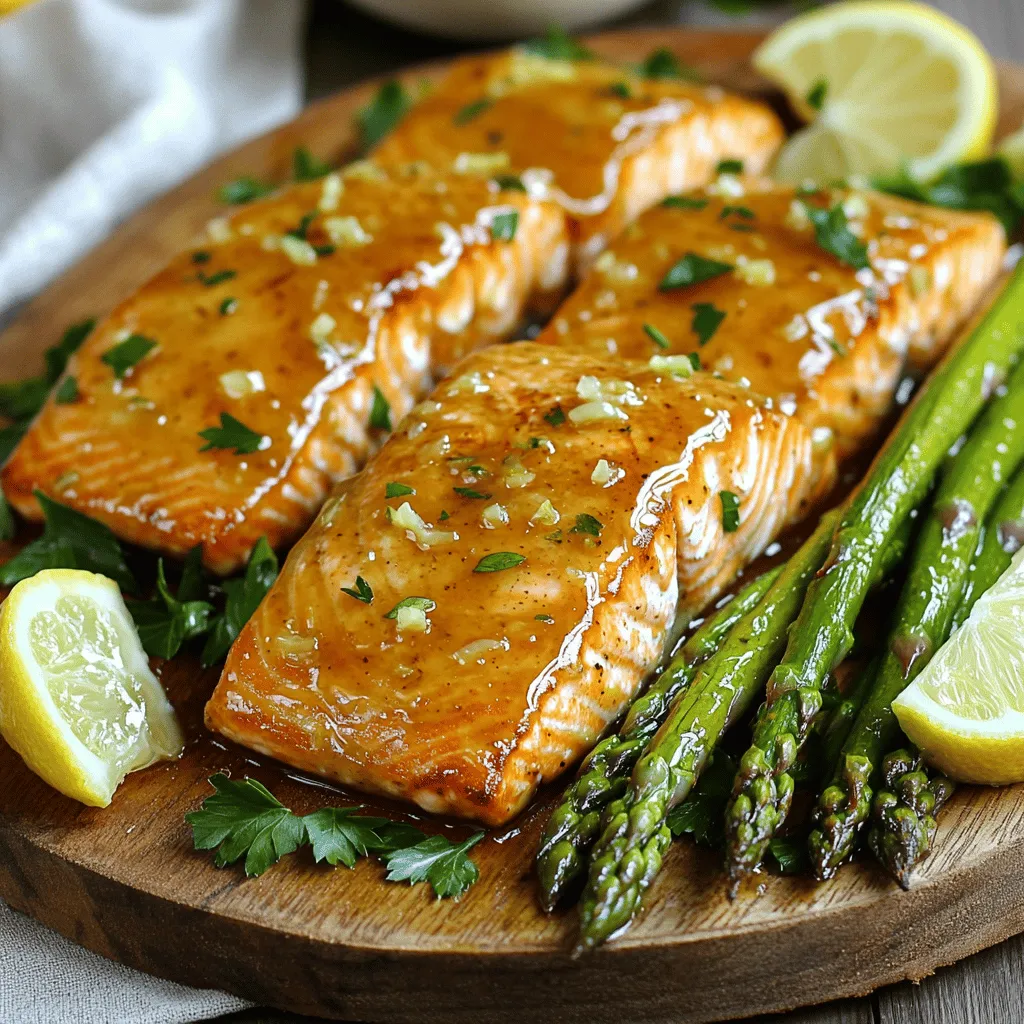
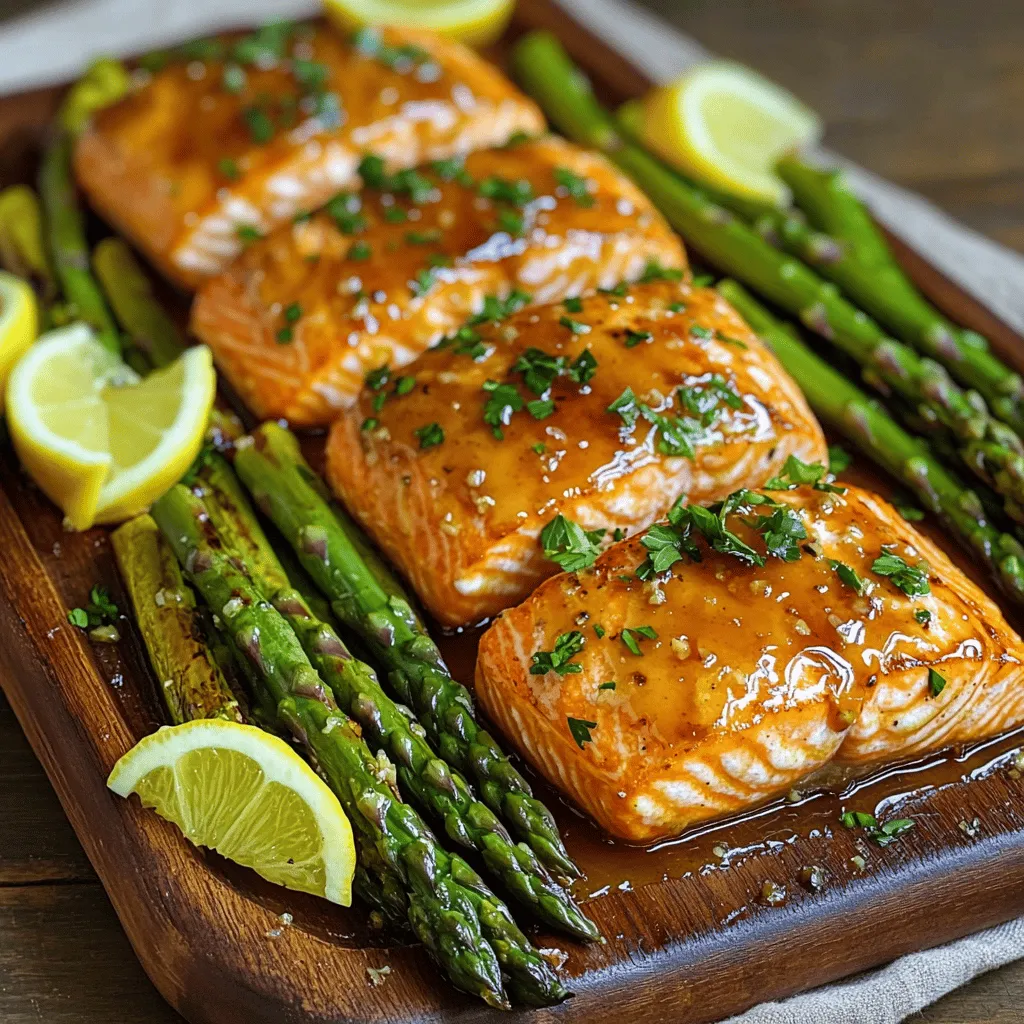
If you crave a mouthwatering meal that’s easy to make, try my Honey Garlic Salmon Asparagus Sheet Pan Delight. This simple recipe combines juicy salmon, tender asparagus, and a sweet-savory sauce, making dinner a breeze. You’ll love how quick it is to prepare, and cleanup is minimal. Let’s dive into the ingredients and steps to create this tasty dish that will impress everyone at your table!
Ingredients
Main Ingredients for Honey Garlic Salmon
– 4 salmon fillets
– 1 bunch of asparagus, trimmed
– 1/4 cup honey
Flavor Enhancers
– 3 cloves garlic, minced
– 2 tablespoons low-sodium soy sauce
– 1 tablespoon olive oil
– 1 teaspoon fresh ginger, grated
Seasoning and Garnish
– Salt and pepper to taste
– Lemon wedges, for serving
– Fresh parsley, chopped for garnish
The main ingredients are simple yet vital. The salmon fillets are rich in flavor and healthy fats. You want fresh ones for the best taste. The asparagus adds a nice crunch and bright color. The honey brings sweetness, balancing the dish perfectly.
Next, we have the flavor enhancers. Garlic gives a strong, savory kick. Soy sauce adds depth and umami. A bit of olive oil keeps everything moist. Ginger brings a warm spice to the mix, making it exciting.
Finally, seasoning and garnish elevate the dish. Salt and pepper are must-haves for taste. Lemon wedges add a fresh zing. Chopped parsley not only looks nice but also adds a hint of earthiness. Each ingredient plays a special role in creating a tasty meal.
Step-by-Step Instructions
Preparing the Oven and Sheet Pan
First, preheat your oven to 400°F (200°C). This helps cook the salmon just right. Next, line a large sheet pan with parchment paper. This makes cleaning up easier later.
Making the Honey Garlic Sauce
In a small mixing bowl, whisk together the honey, minced garlic, soy sauce, olive oil, and grated ginger. Mix until the sauce is smooth and well combined. This sauce adds great flavor to the dish.
Assembling the Dish
Now, place the salmon fillets in the center of the pan. Lightly season each fillet with salt and pepper. Arrange the trimmed asparagus around the salmon. Drizzle a bit of olive oil over the asparagus and season it as well. Finally, pour the honey garlic sauce over both the salmon and asparagus. Make sure everything is coated nicely.
Baking Instructions
Put the sheet pan in the preheated oven and bake for 15-20 minutes. The salmon should easily flake with a fork when done. The asparagus will be tender but still crisp. For an extra touch, switch your oven to broil. Broil the dish for 2-3 minutes for a caramelized finish. Keep an eye on it to avoid burning.
Tips & Tricks
Perfecting the Salmon and Asparagus
To get the best flavor, season the salmon and asparagus well. I sprinkle salt and pepper over both. This simple act makes a big difference in taste. You can also add herbs like dill or thyme for extra zest.
When you cook salmon, check for doneness by gently flaking it with a fork. It should break apart easily. A good rule is to cook it until it reaches an internal temperature of 145°F (63°C).
Cooking Temperature Suggestions
You can bake or broil the salmon and asparagus. Baking at 400°F (200°C) gives a nice, even cook. But if you want a crispy top, switch to broil at the end. Broiling for just 2-3 minutes makes everything caramelized and delicious.
If your salmon fillets are thicker, you may need to adjust cooking time. Thicker fillets take a bit longer to cook than thinner ones. Always keep an eye on them to avoid overcooking.
Serving Suggestions
For a beautiful presentation, arrange the salmon and asparagus on a large platter. The bright colors of the dish make it eye-catching. Pour the leftover sauce from the pan over the top for added flavor.
Pair this dish with sides like rice, quinoa, or a fresh salad. They balance the meal and make it more filling. A light white wine or sparkling water complements the flavors nicely.
Variations
Ingredient Swaps
You can change up the vegetables and fish in this dish. For vegetables, try broccoli, green beans, or bell peppers. These options add color and crunch to your meal. If you want to switch fish, use trout or cod instead of salmon. Each fish brings a unique taste and texture to the dish.
Flavor Adjustments
Adjust the sweetness of the honey to fit your taste. If you want it less sweet, use less honey. For more flavor, add a pinch of red pepper flakes or chili powder. Fresh herbs like thyme or basil can also enhance the taste. Experiment with flavors to make this dish your own.
Serving Style Alternatives
You can cook this dish on a grill instead of a sheet pan. Grilling gives the salmon a smoky flavor. For meal prep, cook a larger batch and store leftovers in containers. You can reheat it for quick lunches or dinners. Sheet pan meals are great, but grilling adds variety.
Storage Info
Refrigeration Guidelines
You can store cooked honey garlic salmon and asparagus in the fridge for up to three days. Use an airtight container to keep the meal fresh. Glass or plastic containers work well.
Freezing Instructions
You can freeze honey garlic salmon and asparagus, but it is best to freeze them separately. Cooked salmon can stay in the freezer for about three months. Uncooked salmon also freezes well. Wrap it tightly to prevent freezer burn. To thaw, place it in the fridge overnight for best results.
Reheating Suggestions
For reheating, the oven is your best bet. Preheat it to 350°F (175°C). Place the salmon and asparagus on a baking sheet, cover with foil, and heat for about 10-15 minutes. This method keeps the flavor and texture intact. You can also use the microwave, but be cautious to avoid overcooking. Enjoy your meal with fresh lemon juice for a flavor boost!
FAQs
How do I know when the salmon is done?
The salmon is done when it flakes easily with a fork. Look for a bright, opaque color. The edges should not be raw or translucent. You can also check the thickness; it should feel firm but not hard.
Can I use frozen salmon?
Yes, you can use frozen salmon. Just make sure to thaw it first. Place it in the fridge overnight. If you’re in a hurry, you can use cold water to thaw it. Make sure to dry it well before cooking. This helps the sauce stick better.
What can I serve with honey garlic salmon?
You can serve this dish with several sides. Some great options include:
– Rice or quinoa for a hearty base
– Steamed broccoli for a colorful touch
– A light salad with mixed greens
For drinks, consider serving white wine or sparkling water with lemon. These pair well with the flavors.
Is this recipe suitable for meal prep?
Yes, this recipe is great for meal prep. You can store the salmon and asparagus in airtight containers. It stays fresh in the fridge for up to three days. When reheating, use the oven or a skillet to keep the texture nice.
Can I make this recipe gluten-free?
You can easily make this recipe gluten-free. Simply swap the soy sauce for tamari or coconut aminos. Both options work well and keep the flavor intact. Check all labels to ensure there are no hidden gluten ingredients.
You now have all the tools to create a delicious honey garlic salmon dish. We’ve covered the key ingredients, like salmon and asparagus, and how to prepare your oven and sauce. The tips and cooking variations can help you adjust the recipe to your taste. Whether you choose to meal prep or serve it fresh, this recipe is flexible. Simply follow these steps, and you’ll impress everyone at the table. Enjoy your cooking and savor this tasty meal!
![To make a fresh Mediterranean quinoa salad, gather these key ingredients: - 1 cup quinoa, thoroughly rinsed - 2 cups vegetable broth (preferably low-sodium) - 1 bell pepper (either red or yellow), finely diced - 1 medium cucumber, diced into bite-sized pieces - 1 cup cherry tomatoes, halved - 1/4 of a medium red onion, finely chopped - 1/2 cup Kalamata olives, pitted and sliced - 1/2 cup feta cheese, crumbled - 1/4 cup fresh parsley, finely chopped - 1/4 cup extra virgin olive oil - 2 tablespoons freshly squeezed lemon juice - 1 teaspoon dried oregano - Sea salt and freshly cracked black pepper to taste These ingredients blend well together. Each one adds a unique flavor. The quinoa forms the base, while the vegetables add crunch and color. Kalamata olives give it a salty twist, and feta cheese adds creaminess. You can customize your salad with these optional add-ins: - Avocado for creaminess - Grilled chicken for protein - Chickpeas for extra fiber - Spinach or arugula for leafy greens - Sun-dried tomatoes for a tangy kick These add-ins can enhance the salad's taste and texture. Feel free to experiment with what you love! This salad is a healthy choice. It is packed with nutrients. Here’s a quick look at its benefits: - Quinoa: High in protein and fiber - Vegetables: Rich in vitamins and minerals - Olive oil: A source of healthy fats - Feta cheese: Adds calcium and flavor One serving provides a balanced mix of protein, healthy fats, and carbs. Eating this salad can support your health while satisfying your taste buds. For the full recipe, check out Mediterranean Quinoa Salad Delight! To start, rinse 1 cup of quinoa under cold water. This step removes the bitter coating. Next, combine the rinsed quinoa and 2 cups of vegetable broth in a medium saucepan. Bring this mixture to a rolling boil over medium-high heat. Once boiling, reduce the heat to a gentle simmer. Cover the saucepan and let it cook for about 15 minutes. The quinoa is ready when it absorbs all the liquid and becomes fluffy. After cooking, fluff it with a fork and transfer it to a large mixing bowl. Let it cool for a few minutes. While the quinoa cools, prepare the vegetables. Dice 1 bell pepper and 1 medium cucumber. Halve 1 cup of cherry tomatoes. Finely chop 1/4 of a medium red onion, and slice 1/2 cup of Kalamata olives. In the same large bowl with the quinoa, add all these diced vegetables along with 1/2 cup of crumbled feta cheese. Gently stir to mix everything together. For the dressing, take a separate small bowl. Whisk together 1/4 cup of extra virgin olive oil, 2 tablespoons of freshly squeezed lemon juice, and 1 teaspoon of dried oregano. Add sea salt and freshly cracked black pepper to taste. Whisk until the dressing is well combined and emulsified. Pour the dressing over the quinoa and vegetable mixture. Toss everything together until the quinoa and veggies are well coated with the dressing. Finally, fold in 1/4 cup of finely chopped fresh parsley. Be careful not to break the feta or overcrowd the grains. Cover the bowl and let the salad sit at room temperature for at least 30 minutes. This time helps the flavors blend beautifully. For the full recipe, check out the Mediterranean Quinoa Salad Delight. To cook quinoa, rinse it well in cold water. This removes bitterness. Use a ratio of 1 part quinoa to 2 parts vegetable broth. Boil the mixture, then reduce the heat to simmer. Cover and cook for about 15 minutes. When done, fluff it gently with a fork. Let it cool before mixing it with other ingredients. To boost flavors, add fresh herbs like basil or mint. You can also toss in some garlic or lemon zest for a zing. Experiment with different olives or cheese types. Each will give a unique twist. Don't forget to season with salt and pepper to taste. Serve the salad in a large bowl for sharing. For individual servings, use small plates. Garnish with lemon wedges and extra parsley for color. A drizzle of olive oil on top adds shine and flavor. You can also pair it with grilled chicken or fish for a complete meal. Find the full recipe in the article to enjoy a fresh and tasty meal. {{image_4}} You can easily boost the protein in your Mediterranean quinoa salad. Adding cooked chicken gives a hearty touch. Simply grill or roast chicken breasts, then slice them up and mix them in. If you prefer a meatless option, chickpeas work great. Use canned chickpeas for quick prep. Rinse and drain them before adding. While the olive oil and lemon dressing is tasty, you can try other dressings too. A balsamic vinaigrette adds a sweet tang. For a creamy twist, mix Greek yogurt with lemon juice and herbs. This will make the salad richer and even more satisfying. Swap in seasonal veggies for fresh flavor. In the spring, add sweet peas or asparagus. In summer, try zucchini or fresh corn. Autumn brings squash or roasted root vegetables. Winter is great for kale or Brussels sprouts. These swaps keep your salad exciting and varied all year round. Feel free to check the Full Recipe for more details! After enjoying your Mediterranean quinoa salad, store leftovers in the fridge. Place the salad in a bowl and cover it tightly with plastic wrap or a lid. This helps keep the salad fresh and tasty. If you want to save some for later, portion it out into meal prep containers. When storing your salad, use airtight containers. Glass containers work great because they don't stain or retain odors. If you prefer plastic, choose BPA-free containers. Ensure they are deep enough to hold the salad without squishing it. If you have a dressing, keep it separate until you are ready to eat to avoid sogginess. Your Mediterranean quinoa salad will last in the fridge for about 3 to 5 days. If you notice any change in smell or color, it’s best to toss it out. Reheating is not recommended for salads with fresh veggies. Instead, enjoy the salad cold or at room temperature. If you want to warm it up, heat the quinoa-only portion in a microwave for about 30 seconds, but avoid reheating the veggies and feta. For the full recipe, check [Full Recipe]. Quinoa is a tiny seed rich in protein, fiber, and vitamins. It is gluten-free and very nutritious. It helps in building muscles and keeps you full longer. Quinoa contains all nine essential amino acids, making it a complete protein. This is great for vegans and vegetarians. It also has antioxidants that help fight inflammation. Eating quinoa may support heart health and improve digestion. Yes, you can make this salad ahead of time. It tastes even better after sitting for a few hours. Just keep it in the fridge for up to three days. The flavors meld together nicely. If you add the dressing later, it stays fresh longer. Just remember to mix it before serving to spread the flavors. To make this salad vegan, skip the feta cheese. You can use avocado instead for creaminess. You can also add extra olives or nuts for texture. The dressing is already vegan with olive oil and lemon juice. This way, you keep it tasty without any animal products. This salad pairs well with many dishes. You can serve it with grilled chicken or fish for protein. It also goes nicely with roasted vegetables or hummus. For a lighter meal, enjoy it with pita bread. This salad is great as a side or a main dish. The Mediterranean quinoa salad is a tasty and healthy dish. We covered key ingredients, from quinoa and fresh veggies to possible add-ins. I shared easy steps for preparing the salad and tips for cooking quinoa just right. You learned about variations and how to store leftovers properly. Remember, this salad is very flexible; you can change the protein and dressing as you like. Enjoy this dish for its flavor and nutrition. It’s simple, refreshing, and great for any meal!](https://goldendishy.com/wp-content/uploads/2025/06/0bb42d2e-6f0a-4b63-945d-06b8684c6b2f-768x768.webp)
![- Bell Peppers: I like using large bell peppers. You can choose any color you like: red, yellow, or green. They all taste great! Make sure they are firm and fresh. Each pepper should hold the stuffing well. - Ground Chicken and Dairy: Ground chicken adds a light flavor. It cooks quickly and blends well with other ingredients. Pair it with shredded cheddar cheese for a creamy touch. The cheese melts beautifully, making the dish extra yummy. - Enhancing Ingredients: I always add cooked rice to the mix. It gives the dish a nice texture. Black beans are great too; they add protein and fiber. Corn brings sweetness and color. Together, these ingredients create a hearty filling. - Essential Spices: Be sure to use chili powder, ground cumin, garlic powder, and onion powder. These spices pack flavor into the filling. A sprinkle of salt and pepper brings everything together. - Optional Garnishes: Fresh cilantro adds a burst of flavor. It makes the dish look more vibrant. You can also use a dollop of sour cream for creaminess. - Recommended Sides: Serve the stuffed peppers with a simple salad. A side of rice or quinoa pairs well too. You can also add some tortilla chips for crunch. - Display Ideas: For a beautiful presentation, place each stuffed pepper on a plate. Drizzle a bit of olive oil on top for shine. Add some chopped cilantro for color. This makes the meal look as good as it tastes! For the complete recipe, check out the Full Recipe. 1. Preheat your oven to 375°F (190°C). This step is key for even cooking. 2. Grab four large bell peppers. Cut off the tops and remove the seeds. Rinse the insides to clean them well. 3. Lightly coat the outside of each pepper with olive oil. Stand them upright in a 9x13 inch baking dish. 1. Heat a skillet over medium heat. Add 1 pound of ground chicken to the pan. 2. Cook the chicken for 5-7 minutes. Stir and break it apart until it turns brown. 3. Once cooked, mix in 1 cup of cooked rice, 1 cup of rinsed black beans, and 1 cup of corn. 4. Add 3/4 cup of shredded cheddar cheese, 1 teaspoon of chili powder, 1 teaspoon of cumin, 1 teaspoon of garlic powder, and 1/2 teaspoon of onion powder. Season with salt and pepper to taste. Stir for 2-3 minutes. 1. Generously fill each bell pepper with the chicken and cheese mixture. Pack it well. 2. Sprinkle the remaining 1/4 cup of cheese on top of the stuffed peppers. 3. Cover the dish with aluminum foil to trap steam. Bake in the preheated oven for 30 minutes. 4. After 30 minutes, remove the foil. Continue baking for 10-15 minutes, until the cheese is bubbly and golden. 5. Check if the peppers are tender by piercing them with a fork. 6. Allow them to cool for a few minutes after baking. Optionally, garnish with fresh cilantro for extra flavor. For the complete recipe, check out the [Full Recipe]. What are common mistakes to avoid? One mistake is overcooking the chicken. Cook it just until it's brown. If you use too much salt, it can ruin the flavor. Taste your mixture before stuffing the peppers. How can you ensure even cooking? Make sure all your peppers are the same size. This will help them cook at the same rate. Cover them with foil for part of the baking time. This keeps the heat in and helps them cook through. What are some suggestions for adding extra flavor? Try adding diced tomatoes or jalapeños for a kick. You can also mix in some spices like paprika or cayenne pepper. Fresh herbs like parsley or basil can brighten the dish. What are some ingredient swaps for dietary preferences? For a lower-carb option, replace rice with cauliflower rice. Use ground turkey or tofu for a different protein. You can also swap cheddar cheese for a dairy-free cheese for a vegan option. What cooking methods can you use? You can air fry the stuffed peppers for a crispy texture. Just set the air fryer to 375°F and cook them for about 15-20 minutes. Grilling is another fun method. Just wrap the peppers in foil and place them on the grill. How do you maintain moisture in stuffed peppers? Add a splash of chicken broth to the bottom of the baking dish. This creates steam as they cook. Avoid overstuffing the peppers; too much filling can lead to dryness. For the full recipe, check out the recipe section above. {{image_4}} You can change the ground chicken in your stuffed peppers. Use ground turkey or beef instead. These meats add different flavors and textures. If you want a vegetarian option, try using quinoa or lentils. These ingredients pack a protein punch and keep the dish hearty. For a vegan twist, use a mix of beans and mushrooms. They add a nice texture and flavor. You can also use tofu crumbles, which absorb spices well. This makes your meal rich and filling while keeping it plant-based. You can spice up your stuffed peppers with different flavors. Why not try a Mexican twist? Add taco seasoning or jalapeños for heat. A dash of lime juice brightens the dish. If you love Italian flavors, mix in some Italian herbs like oregano or basil. You could also add marinara sauce to the filling. This creates a rich and comforting taste. Want a twist? Try adding olives, capers, or feta cheese. These ingredients bring unique textures and flavors. They turn a simple meal into something exciting. For those needing gluten-free meals, this recipe is easy to adapt. Use rice instead of breadcrumbs for filling. Always check labels on canned items like beans and corn. They should be gluten-free. If you follow a low-carb diet, you can swap rice for cauliflower rice. This keeps the dish light and low in carbs. You can also skip the beans to reduce carbs even more. These variations help everyone enjoy this tasty meal. No matter your diet, you can find a way to enjoy chicken and cheese stuffed peppers. After you make your chicken and cheese stuffed peppers, let them cool down. This helps keep them fresh. Store them in an airtight container. They will stay good in the fridge for about 3 to 4 days. If you have leftovers, try to eat them within this time. To reheat, place them in the oven or microwave until warm. If you want to keep your stuffed peppers for a longer time, freezing is a great option. First, let them cool completely. Wrap each pepper tightly with plastic wrap. Then, put them in a freezer bag or container. This helps avoid freezer burn. They can last up to 3 months in the freezer. When you're ready to eat, take them out and thaw in the fridge overnight. Reheat them in the oven at 375°F until hot. This will keep the flavors and textures intact. Meal prepping can save time on busy weeknights. You can prepare the filling ahead of time. Cook the chicken and mix in the rice, beans, and spices. Store this mixture in the fridge for 2 to 3 days. When you're ready, stuff the peppers and bake them. For batch cooking, consider making a double recipe. Freeze half for later. This way, you have a tasty meal ready whenever you need it. How do you know when stuffed peppers are done? You can tell when stuffed peppers are done by checking the peppers and cheese. The peppers should be tender and the cheese melted and bubbly. If you pierce a pepper with a fork, it should feel soft but not mushy. Can you prepare them in advance? Yes, you can prepare stuffed peppers in advance. Just stuff them and store them in the fridge. Bake them when you're ready to eat. This makes for a quick and easy family meal. Can I use frozen peppers? Yes, you can use frozen peppers. Just thaw them before stuffing. They may cook faster, so keep an eye on them while baking. What to do if I don't have certain ingredients? If you lack certain ingredients, feel free to swap them out. For example, use quinoa instead of rice or a different type of cheese. Get creative based on what you have! Can stuffed peppers be made on the stovetop? Yes, you can make stuffed peppers on the stovetop. Just steam them in a skillet with a little water. Cover with a lid and cook until tender. How to adjust heating times for different ovens? Oven temperatures can vary. If your oven runs hot, check the peppers a few minutes early. If it runs cool, you may need to add a few extra minutes. Always trust your instincts! We covered the best way to make stuffed peppers. You learned about key ingredients like bell peppers, ground chicken, and spices. You also discovered tips for cooking and storing them. There are many ways to adjust the recipe for different diets and tastes. Incorporating these ideas will make your dish delicious. Get creative with flavors and toppings. With practice, you'll master this easy meal for any occasion. Enjoy your cooking journey!](https://goldendishy.com/wp-content/uploads/2025/06/69b5c483-258e-4498-8701-d043fb5fc497-768x768.webp)