Healthy Roasted Veggie Bowl Packed with Flavorful Goodness
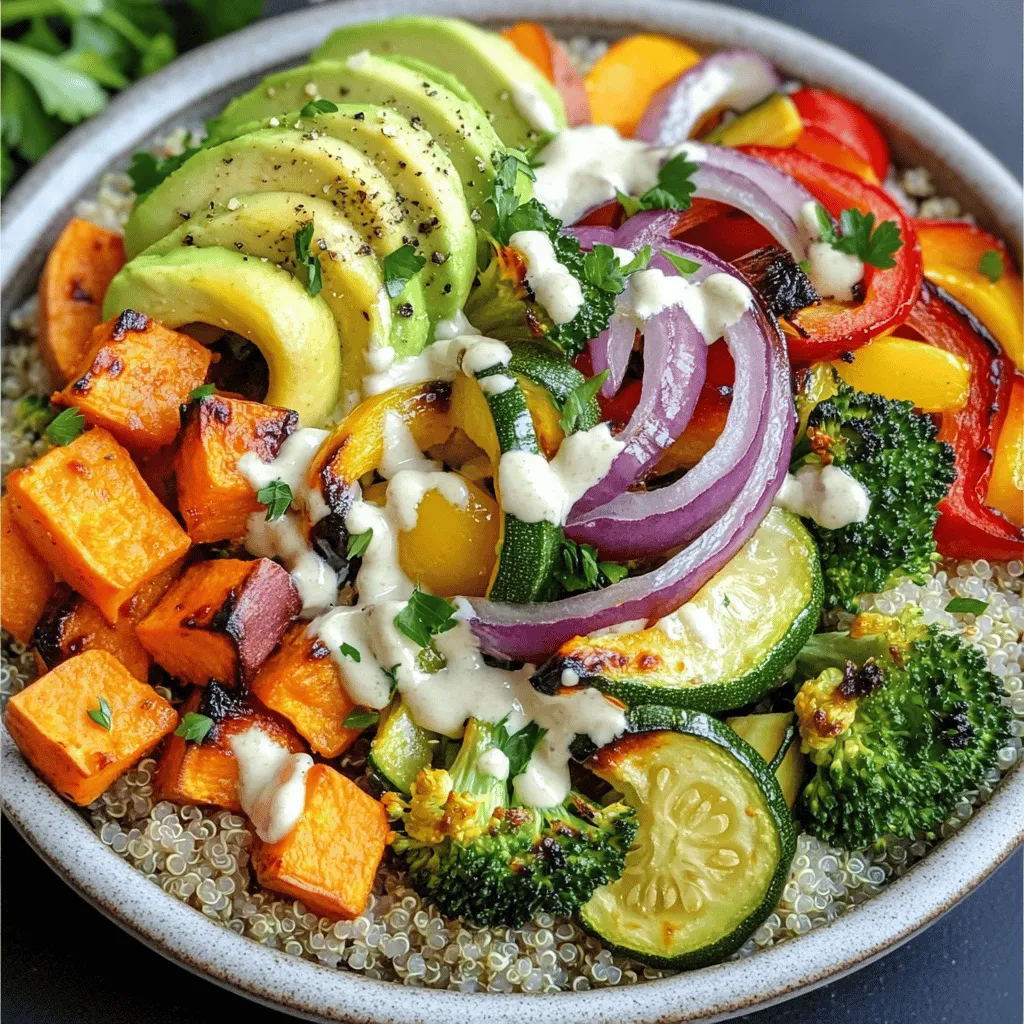
Looking for a wholesome and tasty meal? Let me introduce you to my Healthy Roasted Veggie Bowl, brimming with vibrant flavors and nutrients! This easy recipe combines sweet potatoes, colorful bell peppers, and zesty spices to create a satisfying dish. Whether you want a quick lunch or a flavorful dinner, this bowl is perfect for you. Let’s dive into the delicious details and make your meals exciting and healthy!
Ingredients
Main Ingredients
– 1 cup sweet potatoes, peeled and diced into 1-inch cubes
– 1 cup assorted bell peppers (red, yellow, green), chopped into bite-sized pieces
– 1 cup zucchini, sliced into half-moons
– 1 cup broccoli florets, cut into small pieces
– 1 red onion, cut into large wedges
For a colorful veggie bowl, start with these main ingredients. Sweet potatoes add natural sweetness. Bell peppers bring crunch and color. Zucchini adds a mild flavor, while broccoli packs a nutrient punch. Red onion gives a slight bite that balances the sweetness.
Seasonings and Oil
– 2 tablespoons extra virgin olive oil
– 1 teaspoon garlic powder
– 1 teaspoon smoked paprika
– Sea salt and black pepper, to taste
These seasonings elevate the dish. Olive oil helps the veggies roast perfectly. Garlic powder gives a rich flavor. Smoked paprika adds warmth and depth. A sprinkle of sea salt and black pepper enhances all the tastes.
Optional Garnishes
– 1 ripe avocado, sliced for garnish
– Fresh parsley or cilantro, roughly chopped, for garnish
– Tahini dressing, for drizzling over top
Garnishes make the bowl special. Avocado adds creaminess and healthy fats. Fresh herbs like parsley or cilantro brighten the dish. A drizzle of tahini dressing ties all the flavors together, making it even more delicious.
Step-by-Step Instructions
Preparation Steps
1. Preheat your oven to 425°F (220°C). This high heat helps the veggies caramelize.
2. In a large bowl, add:
– 1 cup sweet potatoes, peeled and diced into 1-inch cubes
– 1 cup assorted bell peppers, chopped into bite-sized pieces
– 1 cup zucchini, sliced into half-moons
– 1 cup broccoli florets, cut into small pieces
– 1 red onion, cut into large wedges
3. Pour 2 tablespoons of extra virgin olive oil over the veggies.
4. Add:
– 1 teaspoon garlic powder
– 1 teaspoon smoked paprika
– Sea salt and freshly ground black pepper, to taste
5. Toss the mix well. Ensure each piece is coated with oil and spices.
Roasting Process
1. Spread the seasoned veggies evenly on a large baking sheet.
2. Make sure they aren’t crowded to allow even roasting.
3. Roast the veggies for about 25 to 30 minutes.
4. Stir halfway through to help them cook evenly. You want them tender and caramelized.
Quinoa Cooking
1. While the vegetables roast, prepare 1 cup of quinoa.
2. Rinse the quinoa well under cold water.
3. Cook it according to package instructions until it’s light and fluffy.
4. When both the roasted veggies and quinoa are done, it’s time to assemble.
5. Start with a scoop of quinoa at the base of your bowl.
6. Layer the vibrant roasted veggies on top of the quinoa.
7. Add slices of ripe avocado on top.
8. Drizzle with tahini dressing for added flavor.
9. Garnish with freshly chopped parsley or cilantro for a bright finish.
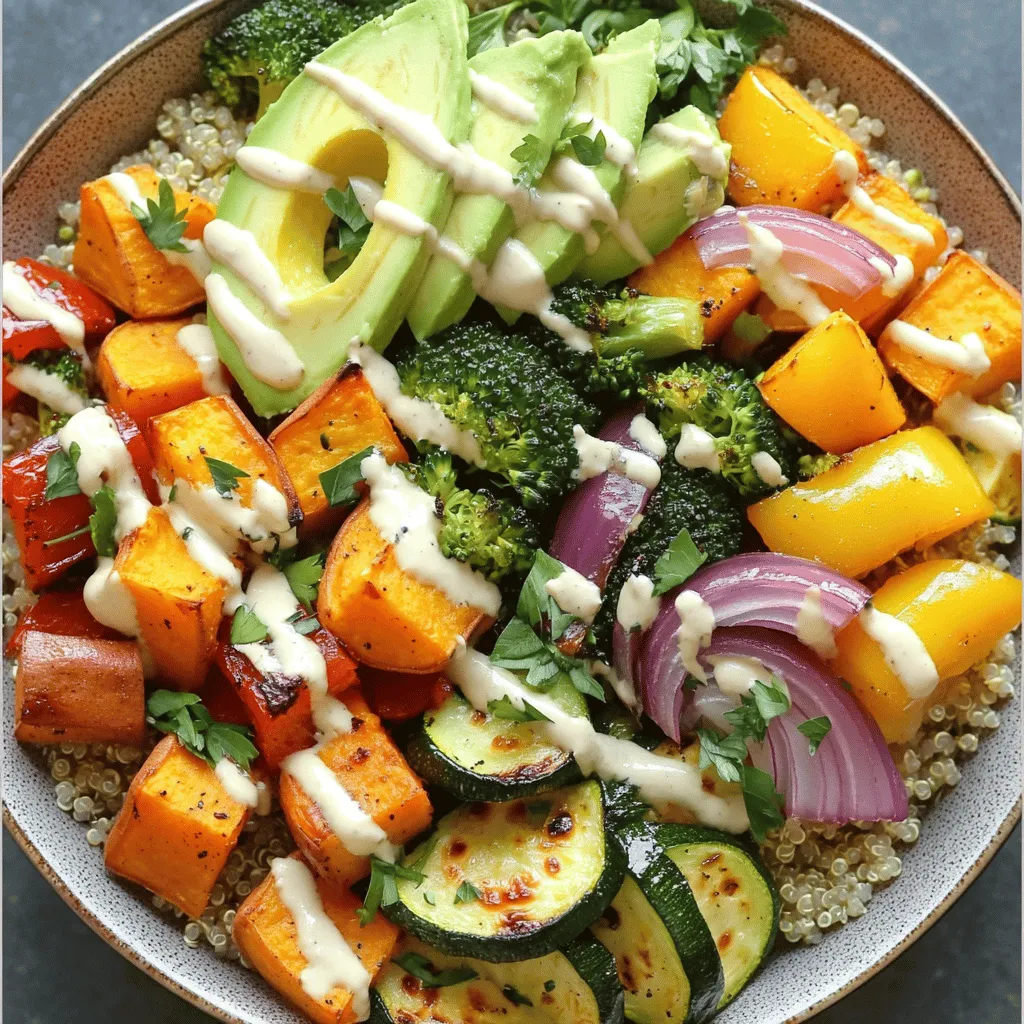
This Healthy Roasted Veggie Bowl is not only colorful but also packed with flavor and nutrition.
Tips & Tricks
Perfect Roasting Tips
To get the best out of your veggies, ensure even cooking. Cut all your vegetables to the same size. This step helps them cook at the same rate. Spread them out on the baking sheet. If they are too close, they will steam instead of roast.
Roasting at a high temperature, like 425°F, is key for caramelization. This process gives your veggies a sweet, rich flavor. The heat helps the sugars in the vegetables turn golden. Don’t skip this step if you want tasty results.
Flavor Enhancement
A good mix of seasonings can elevate your dish. Start with olive oil, garlic powder, and smoked paprika. These three will bring warmth and depth. Don’t forget to add sea salt and black pepper. Adjust the seasoning to your taste.
Want to add more toppings? Consider nuts or seeds for crunch. Feta cheese adds creaminess, too. Fresh herbs like basil or parsley can brighten the dish.
Plating Suggestions
Presentation matters! Use deep, colorful bowls to show off your roasted veggie bowl. The vibrant colors of the veggies create a feast for the eyes. You can also sprinkle sesame seeds on top for extra texture.
Choose bowls that are the right size. A bowl too large makes the meal look sparse. A bowl too small can overwhelm the plate. Find a balance to create an appealing dish.
Variations
Ingredient Substitutions
You can make this dish your own by swapping out the veggies. Use seasonal vegetables for the best taste and freshness. For example, try adding carrots or asparagus in spring. You can also mix in some squash or Brussels sprouts in the fall.
If you want to change the base, you can use other grains. Brown rice or farro works well if you prefer. You can also add protein like chickpeas or grilled chicken for extra nutrition and flavor.
Dietary Adjustments
If you need gluten-free options, quinoa is perfect. It is naturally gluten-free, so you can enjoy it worry-free. For a vegan version, skip the tahini dressing or use a plant-based alternative.
If you’re looking for low-carb options, you can replace quinoa with cauliflower rice. It has a similar texture and absorbs flavors well.
Flavor Profiles
To give your bowl a new twist, try different dressings or marinades. A lemon-tahini dressing adds a fresh zing. You can also use balsamic vinaigrette for a sweeter flavor.
Want some heat? Add chili flakes or your favorite hot sauce. It gives the bowl an exciting kick that complements the veggies.
Storage Info
Storing Leftovers
To keep your roasted veggie bowl fresh, store leftovers in the fridge. Place the veggies in an airtight container. They will stay good for about 3 to 5 days. Keep the quinoa in a separate container to avoid sogginess. If you want to freeze the roasted veggies, let them cool first. Then, place them in a freezer-safe bag. They can last for up to 3 months. Just remember to label the bags with the date.
Reheating Instructions
When it’s time to eat your leftovers, you want to keep them tasty. The best way to reheat roasted veggies is in the oven. Preheat your oven to 350°F (175°C). Spread the veggies on a baking sheet and warm them for about 10 to 15 minutes. This method helps them stay crisp. You can also use a microwave. Heat them in 30-second bursts, stirring in between. This helps them warm evenly.
Meal Prep Tips
If you love meal prep, this veggie bowl is perfect. You can prep the veggies and quinoa ahead of time. Chop the veggies and store them in separate containers in the fridge. Cook the quinoa and store it in a different container. This way, everything is ready to go. For best results, use glass containers with tight lids. They help keep your food fresh and make reheating easy. Enjoy your healthy roasted veggie bowl anytime!
FAQs
What other vegetables can I use in a roasted veggie bowl?
You can mix and match your favorite veggies. Try carrots, cauliflower, or Brussels sprouts. Seasonal veggies like butternut squash or eggplant work great too. Don’t forget leafy greens like kale or spinach for added nutrition.
Can I make the roasted veggie bowl ahead of time?
Yes, you can prep this dish in advance! Roast the veggies and store them in an airtight container. They stay fresh for up to three days in the fridge. Reheat gently in the oven or microwave before serving.
How do I customize the flavor of the tahini dressing?
You can add lemon juice for brightness or garlic for a kick. Try mixing in some maple syrup for sweetness or red pepper flakes for heat. Experiment with herbs like dill or basil to find your favorite flavor.
How do I ensure my quinoa is fluffy?
Always rinse quinoa before cooking. This removes bitter saponins. Use a 2:1 water-to-quinoa ratio for perfect texture. Let it simmer gently, and avoid stirring too much. Fluff it with a fork once it’s done cooking to keep it light and airy.
This blog post explored how to make a delicious roasted veggie bowl. We covered the best ingredients, seasonings, and tips for perfect roasting. I shared ways to customize your bowl with different vegetables and flavor profiles. Remember, cooking is all about creativity. Feel free to experiment with what you like. This dish is not just tasty; it’s also healthy and fun to prepare. Enjoy making it your own, and savor every bite!
![- 1 pound boneless, skinless chicken breasts, cut into 1-inch cubes - 1/4 cup fresh basil leaves, finely chopped - Zest from 2 lemons (about 2 tablespoons) - 3 tablespoons freshly squeezed lemon juice The chicken breast serves as a great base. It’s lean, tender, and perfect for grilling. Fresh basil adds a bright, herbal note. The lemon zest and juice provide a refreshing tang that makes this dish stand out. - 2 tablespoons extra virgin olive oil - 2 cloves garlic, finely minced - 1 teaspoon honey (optional, for a touch of sweetness) Olive oil keeps the chicken moist and helps the flavors blend. Garlic adds depth and aroma, while honey can balance the tart lemon if you want a hint of sweetness. - Salt and freshly ground black pepper to taste - Wooden or metal skewers Salt and pepper are essential for enhancing flavors. If you use wooden skewers, soak them in water for 30 minutes. This prevents burning during grilling. For the Full Recipe, check the detailed instructions along with cooking tips. You’ll need these ingredients to create a fantastic summer delight. To start, mix the marinade ingredients in a bowl. Combine: - 1/4 cup fresh basil leaves, finely chopped - Zest from 2 lemons (about 2 tablespoons) - 3 tablespoons freshly squeezed lemon juice - 2 tablespoons extra virgin olive oil - 2 cloves garlic, finely minced - 1 teaspoon honey (optional) - Salt and pepper to taste Whisk these together until they blend well. This step builds flavor. The lemon and basil create a bright, fresh taste that makes the chicken sing. Marination is key for juicy chicken. It helps the meat soak up the marinade's flavors. Once you prepare the marinade, add the cubed chicken to the bowl. Make sure each piece is coated. Cover the bowl tightly with plastic wrap. Let the chicken marinate in the fridge for at least 30 minutes. For best results, aim for 1-2 hours. This allows the chicken to become tender and flavorful. While the chicken marinates, preheat your grill or grill pan over medium-high heat. A hot grill helps create a nice sear on the chicken. Once the chicken is ready, thread the cubes onto skewers. Leave small gaps between pieces for even cooking. Place the skewers on the grill. Cook them for about 10-12 minutes, turning them often. To ensure the chicken is done, use a meat thermometer. The internal temperature should reach 165°F. After grilling, let the skewers rest for a few minutes. This helps keep the chicken moist. For the full recipe, check the section above. Enjoy making your lemon basil chicken skewers! To get juicy chicken, monitor the grill's temperature. Aim for medium-high heat. This helps cook the chicken quickly while keeping it tender. Use a meat thermometer to check the inside. The chicken should reach 165°F. Avoid over-charring by turning the skewers. Rotate them every few minutes for even cooking. If you see dark spots, move the skewers to a cooler part of the grill. This way, the chicken cooks well without burning. You can add more spices and herbs to the marinade. Consider using oregano or thyme for extra zest. A pinch of red pepper flakes can give it a nice kick. Just be careful not to overpower the lemon and basil. For marinating, let the chicken soak for at least 30 minutes. If you have time, marinate it for a few hours. The longer it sits, the more flavor it absorbs. This step makes a big difference in taste. For plating, arrange the skewers on a wooden board or a nice platter. Adding fresh basil leaves and lemon wedges makes it look vibrant. This adds a pop of color and gives a hint of what’s inside. Pair the skewers with side dishes like grilled vegetables or a fresh salad. You can also serve them with rice or quinoa for a filling meal. These sides enhance the overall experience of your lemon basil chicken skewers. Check the Full Recipe for more ideas! {{image_4}} You can change things up with lemon basil chicken skewers. Try adding vegetable skewers. Bell peppers, zucchini, and cherry tomatoes make great choices. They add color and crunch. If you want to swap proteins, shrimp is a tasty option. Shrimp cooks fast and absorbs flavors well. Just marinate them the same way as chicken. Dipping sauces can take your skewers to new heights. A simple garlic aioli pairs well with the fresh flavors. You can also try tzatziki for a cool and creamy contrast. For a spicy kick, sriracha or a sweet chili sauce is perfect. These sauces work with the lemon and basil, enhancing each bite. If you need gluten-free options, check your sauces and marinades. Most of the ingredients are safe, but read labels. For vegan alternatives, use tofu or tempeh instead of chicken. Marinate them just like the chicken for the best taste. You can still enjoy the bright lemon and basil flavors in a plant-based version. For the full recipe, check the [Full Recipe]. Refrigeration Guidelines After cooking, allow the chicken skewers to cool. Place them in an airtight container. Refrigerate within two hours. The chicken can stay fresh for up to four days. Always check for any signs of spoilage before eating. Freezing Tips If you want to keep them longer, freezing is a great option. Wrap the skewers tightly in plastic wrap. Then, place them in a freezer bag. They can last for up to three months in the freezer. When ready to use, thaw them in the fridge overnight before reheating. Best Methods The best way to reheat your skewers is in the oven. Preheat it to 350°F (175°C). Place the skewers on a baking tray for about 10 to 15 minutes. This method helps keep the chicken juicy. You can also reheat them on the grill for a nice char. Maintaining Flavor and Texture To maintain the flavor, add a splash of water or broth while reheating. Cover the skewers with foil to keep moisture in. This prevents the chicken from drying out and keeps it tasty. How Long Can They Last? When stored properly, cooked lemon basil chicken skewers can last for about four days in the fridge. If frozen, they can last up to three months without losing quality. Signs of Spoilage Always check for signs of spoilage. If the chicken smells off or has a slimy texture, it's best to toss it. Color change can also indicate spoilage. Trust your senses; when in doubt, throw it out. If you want to swap chicken, many tasty options exist. You can use: - Turkey breast: It has a mild flavor like chicken. - Tofu: Great for a plant-based option. - Shrimp: Cooks fast and absorbs flavors well. - Pork tenderloin: Offers a different texture and taste. Each of these options works well with the lemon and basil marinade. Adjust cooking times based on the protein you choose. Yes! Preparing the marinade ahead saves time. Here are some tips: - Mix all marinade ingredients in a bowl. - Store it in a sealed container in the fridge for up to 2 days. - When ready, add your chicken and let it soak up those flavors. Make sure to mix well before using. This keeps the flavors fresh and vibrant. To make sure your chicken is safe to eat, use a meat thermometer. Here’s how: - Insert the thermometer into the thickest part of the chicken. - Look for a temperature of 165°F. This means it’s fully cooked. - If you don't have a thermometer, cut a piece open. The meat should be white, not pink. Using a thermometer helps you avoid undercooked chicken, keeping your meal safe and tasty. You now know how to make delicious grilled chicken skewers. Start with fresh chicken, herbs, and a tasty marinade. Marinade time is key for flavor. Grilling tips help you serve juicy chicken every time. You can try different add-ins or sauces for variety. Store leftovers properly to keep them fresh. This recipe is simple yet satisfying, perfect for meals anytime. Enjoy creating your perfect skewers!](https://goldendishy.com/wp-content/uploads/2025/06/c554147d-c949-48f7-8e40-7e32e563b89e-768x768.webp)
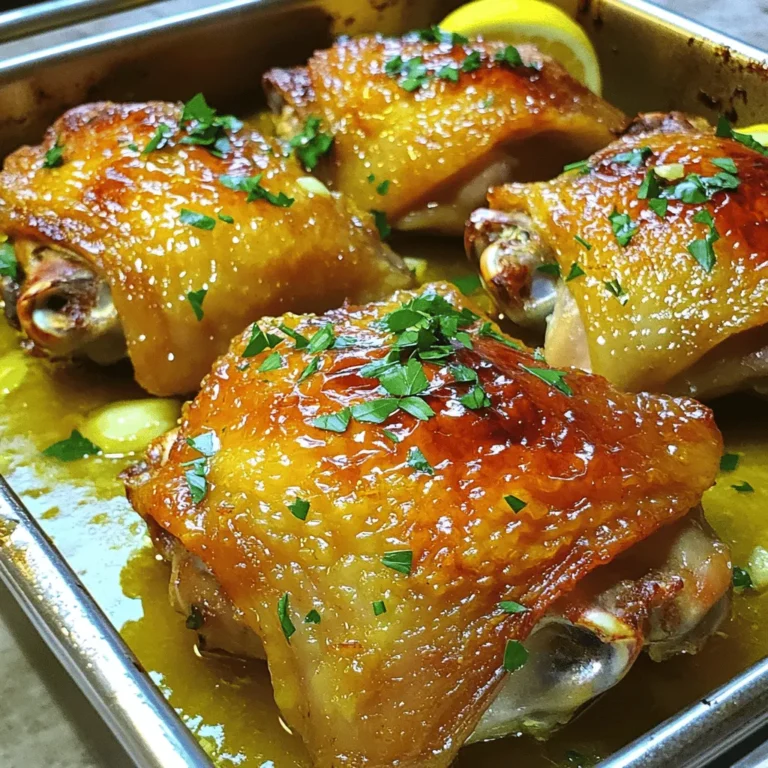
. 1. Preheating the oven: Start by setting your oven to 400°F (200°C). This heat helps the chicken cook evenly and ensures a crispy skin. 2. Drying the chicken thighs: Use paper towels to pat the chicken thighs dry. Getting rid of moisture is key for that nice, crispy texture. 1. Mixing seasoning and applying to chicken: In a bowl, mix olive oil, garlic powder, dried oregano, salt, and black pepper. Rub this mix all over the chicken thighs. Be sure to coat them well for great flavor. 2. Layering the pesto: Take your basil pesto and spoon a good amount onto each thigh. Make sure each piece is coated well for the best taste. 1. Arranging chicken in the baking dish: Place the chicken thighs skin-side up in a baking dish. Scatter halved cherry tomatoes around the chicken. Their juices will add even more flavor. 2. Baking time and checking doneness: Put the dish in the oven. Bake for about 35-40 minutes. Check that the juices run clear and the thickest part of the thigh reads 165°F (74°C) on a meat thermometer. This step-by-step guide will help you create the best Baked Pesto Chicken Thighs. For the full recipe, check out the earlier section. To get crispy skin on your baked pesto chicken thighs, start by patting the chicken dry with paper towels. This step removes extra moisture, helping the skin crisp up nicely. Next, set your oven to 400°F (200°C). This temperature is key for cooking the chicken evenly while also achieving that perfect crispy finish. Mix your basil pesto with a teaspoon of olive oil if it feels thick. This makes it easier to coat the chicken thighs evenly. A good layer of pesto adds rich flavor to each bite. For a fresh touch, use herbs like basil or parsley to garnish the dish. They add color and a bright flavor. Serve your baked pesto chicken thighs on a large platter. Drizzle any juices from the baking dish over the chicken. Scatter the halved cherry tomatoes around for a colorful look. Pair this dish with a fresh salad or fluffy rice. Both sides complement the chicken well and make for a complete meal. For the full recipe, check out the details above. {{image_4}} You can use chicken breast instead of thighs. Chicken breasts are lean and cook faster. They will still soak up the pesto flavor. For a twist, try turkey. Turkey thighs or breasts work well too. They add a different taste while keeping it juicy. Experiment with homemade pesto. You can make it from sun-dried tomatoes or spinach. Both options give a unique flavor. If you like heat, add red pepper flakes. Just a pinch can spice things up without being too hot. This recipe can fit gluten-free diets. Just check that the pesto is gluten-free. Use gluten-free pasta or a side dish to complete the meal. For those avoiding dairy, choose dairy-free cheese. Many brands offer great options that melt well. Feel free to explore these variations to make your Baked Pesto Chicken Thighs even more exciting. For the full details on the base recipe, check the Full Recipe section. To store leftovers properly, let the chicken cool first. Place the chicken thighs in an airtight container. This will keep them fresh longer. I recommend using glass or BPA-free plastic. These containers seal well and prevent spills. You can freeze baked chicken thighs for later use. To do this, wrap each thigh in plastic wrap. Then, place them in a freezer bag. Remove as much air as possible before sealing. When you’re ready to eat, thaw the chicken overnight in the fridge. Reheat it in the oven at 350°F (175°C) until hot. In the fridge, baked pesto chicken thighs last about 3-4 days. Keep an eye on them. If you see any off-smells or discoloration, discard them right away. These signs mean the chicken is spoiled. Enjoy your meal with peace of mind by storing it properly. For the full recipe, check back to make this tasty dish! Bake chicken thighs for about 35 to 40 minutes. This time gives you juicy meat and crispy skin. Check the chicken at 35 minutes to see if it's done. The juices should run clear. If you have a meat thermometer, insert it in the thickest part. It should read 165°F (74°C). This temperature ensures the chicken is safe to eat. Yes, you can prep this dish ahead of time. Season the chicken and coat it with pesto. Place it in your baking dish and cover it. Store it in the fridge for up to 24 hours. When you're ready to cook, just bake it as directed. This makes meal prep easy and quick. Chicken should reach a safe cooking temperature of 165°F (74°C). This temperature kills harmful bacteria. Use a meat thermometer for the most accurate reading. Insert it into the thickest part of the thigh. Once it hits 165°F, your chicken is safe and ready to eat. This post covered juicy chicken thighs baked with pesto and cherry tomatoes. You learned about the key ingredients, seasoning, and steps to prepare this dish. I shared tips to achieve crispy skin and suggestions for variations. Storing leftovers and meal prep were also discussed. Incorporate these ideas in your cooking. Enjoy the flavors and share with others. Your kitchen is now ready for this tasty meal!](https://goldendishy.com/wp-content/uploads/2025/06/60e55a10-6222-4f06-b0be-30d915c75343-768x768.webp)