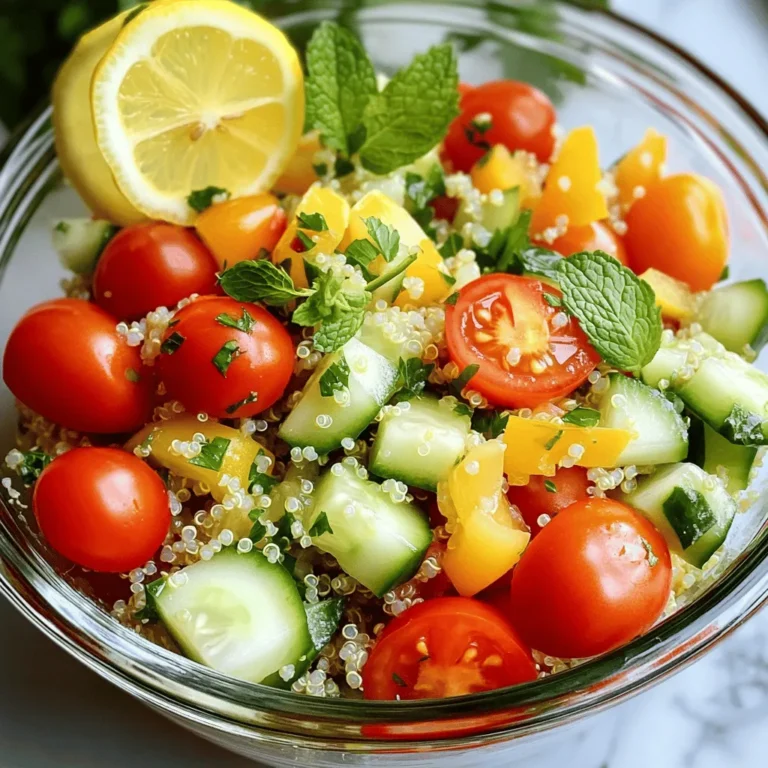
Lemon Basil Pasta Salad Fresh and Flavorful Delight
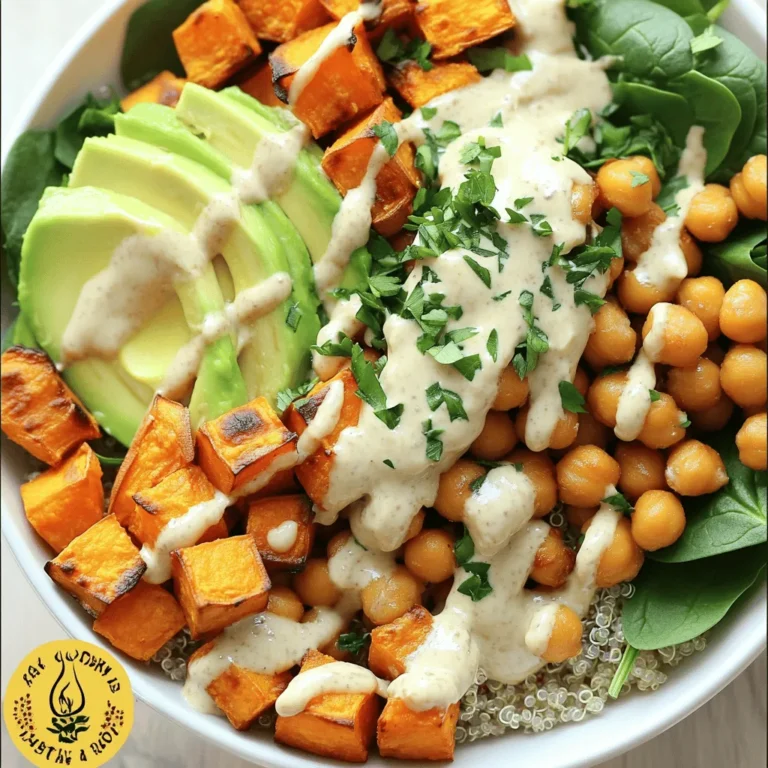
. {{image_4}} To make your Lemon Basil Pasta Salad heartier, add protein. Grilled chicken is a great choice. Cook it simply with salt and pepper. Shrimp also works well when sautéed until just pink. For a vegetarian twist, use chickpeas or black beans. They add good texture and flavor. You can even sprinkle in some diced tofu for a plant-based option. The key is to balance flavors while keeping it light. Feel free to mix up the veggies in your salad. Instead of cherry tomatoes, try sun-dried tomatoes for a richer taste. Bell peppers can be swapped for zucchini or carrots. You can even toss in some spinach for a nutrient boost. Just remember to use fresh, crisp veggies for the best flavor. The colors will make your dish pop while adding more vitamins. While the lemon vinaigrette shines, other dressings can change the salad's vibe. A balsamic vinaigrette brings a sweet tang, while a creamy dressing adds richness. Consider a pesto for an Italian twist. Just be mindful of the dressing amount; you want to enhance, not overpower. Experimenting with dressings keeps your pasta salad exciting and fresh. For the full recipe, check the details above. After you enjoy your Lemon Basil Pasta Salad, store any leftovers in an airtight container. Keep the salad in the fridge. Make sure it is cool before sealing it. This helps to keep the flavors fresh. If you added feta cheese, cover it with a bit of extra dressing. This keeps it from drying out. Your Lemon Basil Pasta Salad can last up to three days in the fridge. After that, the veggies may lose their crispness. The salad may still taste good, but it won’t be as fresh. Always check for any off smells before eating. This salad is best served cold. If you want to refresh it, add a splash of olive oil and lemon juice. Toss it gently to mix. If you must reheat, do so briefly in the microwave. Heat it for just 15-30 seconds. This will warm it without cooking the veggies. Yes, you can make this pasta salad ahead. It tastes better after sitting in the fridge. I suggest preparing it up to a day in advance. Store it in an airtight container. Just remember to leave out the basil until you serve it. This keeps the basil fresh and bright. If you need gluten-free pasta, there are great choices. Look for pasta made from rice, quinoa, or chickpeas. Brands like Banza or Tinkyada offer tasty options. They hold up well in salads. Cook them according to the package directions for the best results. To make this pasta salad vegan, skip the feta cheese. You can add extra veggies for flavor. Consider using avocado for creaminess. Nutritional yeast can add a cheesy taste, too. Just mix it in with the dressing for a nice touch. For the dressing, all the other ingredients are already vegan-friendly. In this blog post, I shared how to make a refreshing lemon basil pasta salad. We covered key ingredients, step-by-step instructions, and tips for perfecting your dish. You learned how to add variety with proteins and different veggies. Storing leftover salad properly ensures it stays fresh. By answering important FAQs, I aimed to make this recipe easy for you. Enjoy this tasty dish at your next meal or gathering. With these insights, you'll impress everyone with your delicious creation!](https://goldendishy.com/wp-content/uploads/2025/06/6f7717e1-8c71-4a8f-834a-cf8283cfe0e6.webp)
Looking for a fresh and tasty dish? Lemon Basil Pasta Salad packs a punch with zesty flavors and vibrant colors. Whether you’re hosting a picnic or just want a quick meal, this salad fits the bill. In this article, I’ll share all the essential ingredients, step-by-step instructions, and expert tips to make your salad shine. Let’s dive into this delicious delight that your taste buds will love!
Ingredients
Essential Ingredients for Lemon Basil Pasta Salad
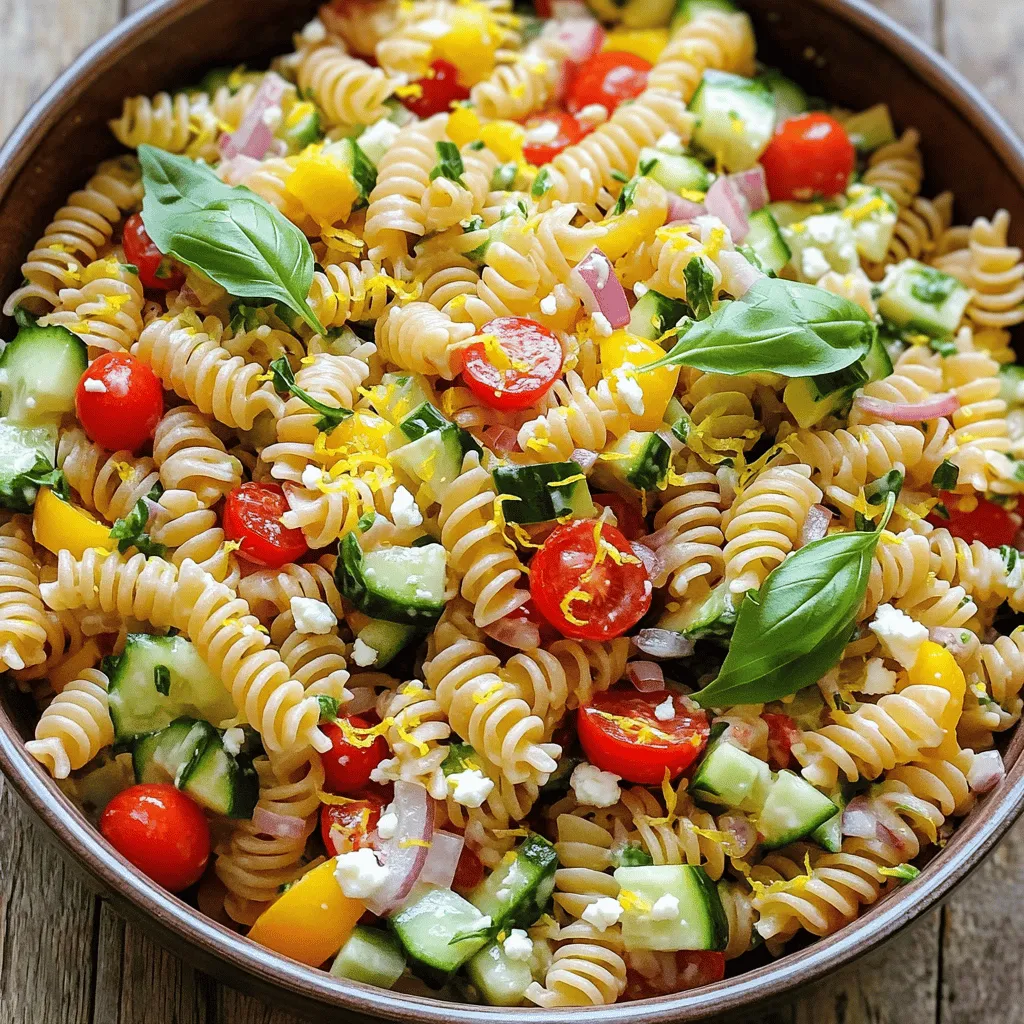
To make a tasty Lemon Basil Pasta Salad, you need some key ingredients. Here’s a list to get started:
– 2 cups fusilli or penne pasta
– 1 cup cherry tomatoes, halved
– 1 cup cucumber, diced
– 1/2 cup red bell pepper, diced
– 1/2 cup red onion, finely chopped
– 1 cup fresh basil leaves, chopped
– 1/4 cup extra virgin olive oil
– 2 tablespoons freshly squeezed lemon juice
– Zest of 1 medium lemon
– Salt and black pepper, to taste
These ingredients create a fresh and zesty flavor. Each bite bursts with the taste of lemon and basil.
Optional Add-Ins for Extra Flavor
You can boost the flavor of your pasta salad with some fun add-ins. Here are a few ideas you might enjoy:
– 1/4 cup feta cheese, crumbled
– 1/4 cup olives, sliced
– 1/4 cup cooked chicken, diced
– 1/4 cup roasted red peppers, chopped
These add-ins will add depth and variety to your salad. Feel free to mix and match based on what you have.
Best Types of Pasta to Use
When it comes to pasta, not all types work the same. For this salad, I recommend using:
– Fusilli: Its spiral shape holds the dressing well.
– Penne: The tube shape adds nice texture.
These pastas soak up the lemon and basil flavors perfectly. Avoid using thin pasta like spaghetti, as it may not hold up as well in a salad. This choice makes your dish more enjoyable.
Step-by-Step Instructions
Cooking the Pasta
Start with a large pot of salted water. Bring it to a boil. Add the pasta and cook for 8-10 minutes. You want it to be al dente, which means it should still have a bit of bite. Once cooked, drain the pasta. Rinse it under cold water to stop cooking. This cools it down and helps with the salad.
Preparing the Vegetables
In a big mixing bowl, combine the cooled pasta with your veggies. Use 1 cup of halved cherry tomatoes, 1 cup of diced cucumber, 1/2 cup of diced red bell pepper, and 1/2 cup of finely chopped red onion. Stir gently to mix everything well. This blend adds freshness and crunch to your salad.
Making the Dressing
In a small bowl, whisk together 1/4 cup of extra virgin olive oil, 2 tablespoons of freshly squeezed lemon juice, and the zest of one medium lemon. Add salt and black pepper to taste. Make sure these ingredients mix well to create a tasty dressing. Drizzle it over your pasta and veggies. Toss everything together with a spatula until well coated.
To finish, gently fold in 1 cup of chopped fresh basil. If you like, sprinkle 1/4 cup of crumbled feta cheese on top before serving. Let the salad chill in the fridge for at least 30 minutes. This lets the flavors blend nicely. Enjoy your delicious Lemon Basil Pasta Salad!
Tips & Tricks
How to Perfectly Cook Pasta
To cook pasta just right, start with a large pot. Fill it with water and add salt. This step helps flavor the pasta. Bring the water to a rolling boil. Add your pasta once the water bubbles. Cook it for about 8-10 minutes, or until it’s al dente. Al dente means it should be firm yet tender. After cooking, drain the pasta and rinse it with cold water. This stops the cooking and cools it down.
Enhancing Flavor with Marinades
For extra flavor, think about marinating your veggies. While the pasta cools, mix olive oil, lemon juice, salt, and pepper in a bowl. Toss in cherry tomatoes, cucumbers, and bell peppers. Let them sit for about 10 minutes. This simple step boosts their taste. It makes every bite more vibrant and fresh.
Serving Suggestions for Optimal Enjoyment
When serving your salad, presentation counts. Use a large bowl or individual dishes. Garnish with fresh basil and lemon wedges for a pop of color. This makes your dish look inviting. Serve it right away, or chill it for at least 30 minutes. Chilling helps the flavors blend. If you want to add a creamy touch, sprinkle feta cheese on top just before serving.
Variations
Adding Protein to Your Salad
To make your Lemon Basil Pasta Salad heartier, add protein. Grilled chicken is a great choice. Cook it simply with salt and pepper. Shrimp also works well when sautéed until just pink. For a vegetarian twist, use chickpeas or black beans. They add good texture and flavor. You can even sprinkle in some diced tofu for a plant-based option. The key is to balance flavors while keeping it light.
Using Different Vegetables
Feel free to mix up the veggies in your salad. Instead of cherry tomatoes, try sun-dried tomatoes for a richer taste. Bell peppers can be swapped for zucchini or carrots. You can even toss in some spinach for a nutrient boost. Just remember to use fresh, crisp veggies for the best flavor. The colors will make your dish pop while adding more vitamins.
Transforming with Different Dressings
While the lemon vinaigrette shines, other dressings can change the salad’s vibe. A balsamic vinaigrette brings a sweet tang, while a creamy dressing adds richness. Consider a pesto for an Italian twist. Just be mindful of the dressing amount; you want to enhance, not overpower. Experimenting with dressings keeps your pasta salad exciting and fresh.
Storage Info
Best Practices for Storing Leftovers
After you enjoy your Lemon Basil Pasta Salad, store any leftovers in an airtight container. Keep the salad in the fridge. Make sure it is cool before sealing it. This helps to keep the flavors fresh. If you added feta cheese, cover it with a bit of extra dressing. This keeps it from drying out.
How Long Will the Salad Last?
Your Lemon Basil Pasta Salad can last up to three days in the fridge. After that, the veggies may lose their crispness. The salad may still taste good, but it won’t be as fresh. Always check for any off smells before eating.
Reheating or Refreshing the Salad
This salad is best served cold. If you want to refresh it, add a splash of olive oil and lemon juice. Toss it gently to mix. If you must reheat, do so briefly in the microwave. Heat it for just 15-30 seconds. This will warm it without cooking the veggies.
FAQs
Can I make Lemon Basil Pasta Salad ahead of time?
Yes, you can make this pasta salad ahead. It tastes better after sitting in the fridge. I suggest preparing it up to a day in advance. Store it in an airtight container. Just remember to leave out the basil until you serve it. This keeps the basil fresh and bright.
What are some gluten-free pasta options?
If you need gluten-free pasta, there are great choices. Look for pasta made from rice, quinoa, or chickpeas. Brands like Banza or Tinkyada offer tasty options. They hold up well in salads. Cook them according to the package directions for the best results.
How can I make this pasta salad vegan?
To make this pasta salad vegan, skip the feta cheese. You can add extra veggies for flavor. Consider using avocado for creaminess. Nutritional yeast can add a cheesy taste, too. Just mix it in with the dressing for a nice touch. For the dressing, all the other ingredients are already vegan-friendly.
In this blog post, I shared how to make a refreshing lemon basil pasta salad. We covered key ingredients, step-by-step instructions, and tips for perfecting your dish. You learned how to add variety with proteins and different veggies. Storing leftover salad properly ensures it stays fresh. By answering important FAQs, I aimed to make this recipe easy for you. Enjoy this tasty dish at your next meal or gathering. With these insights, you’ll impress everyone with your delicious creation!
. {{image_4}} To make your Lemon Basil Pasta Salad heartier, add protein. Grilled chicken is a great choice. Cook it simply with salt and pepper. Shrimp also works well when sautéed until just pink. For a vegetarian twist, use chickpeas or black beans. They add good texture and flavor. You can even sprinkle in some diced tofu for a plant-based option. The key is to balance flavors while keeping it light. Feel free to mix up the veggies in your salad. Instead of cherry tomatoes, try sun-dried tomatoes for a richer taste. Bell peppers can be swapped for zucchini or carrots. You can even toss in some spinach for a nutrient boost. Just remember to use fresh, crisp veggies for the best flavor. The colors will make your dish pop while adding more vitamins. While the lemon vinaigrette shines, other dressings can change the salad's vibe. A balsamic vinaigrette brings a sweet tang, while a creamy dressing adds richness. Consider a pesto for an Italian twist. Just be mindful of the dressing amount; you want to enhance, not overpower. Experimenting with dressings keeps your pasta salad exciting and fresh. For the full recipe, check the details above. After you enjoy your Lemon Basil Pasta Salad, store any leftovers in an airtight container. Keep the salad in the fridge. Make sure it is cool before sealing it. This helps to keep the flavors fresh. If you added feta cheese, cover it with a bit of extra dressing. This keeps it from drying out. Your Lemon Basil Pasta Salad can last up to three days in the fridge. After that, the veggies may lose their crispness. The salad may still taste good, but it won’t be as fresh. Always check for any off smells before eating. This salad is best served cold. If you want to refresh it, add a splash of olive oil and lemon juice. Toss it gently to mix. If you must reheat, do so briefly in the microwave. Heat it for just 15-30 seconds. This will warm it without cooking the veggies. Yes, you can make this pasta salad ahead. It tastes better after sitting in the fridge. I suggest preparing it up to a day in advance. Store it in an airtight container. Just remember to leave out the basil until you serve it. This keeps the basil fresh and bright. If you need gluten-free pasta, there are great choices. Look for pasta made from rice, quinoa, or chickpeas. Brands like Banza or Tinkyada offer tasty options. They hold up well in salads. Cook them according to the package directions for the best results. To make this pasta salad vegan, skip the feta cheese. You can add extra veggies for flavor. Consider using avocado for creaminess. Nutritional yeast can add a cheesy taste, too. Just mix it in with the dressing for a nice touch. For the dressing, all the other ingredients are already vegan-friendly. In this blog post, I shared how to make a refreshing lemon basil pasta salad. We covered key ingredients, step-by-step instructions, and tips for perfecting your dish. You learned how to add variety with proteins and different veggies. Storing leftover salad properly ensures it stays fresh. By answering important FAQs, I aimed to make this recipe easy for you. Enjoy this tasty dish at your next meal or gathering. With these insights, you'll impress everyone with your delicious creation!](https://goldendishy.com/wp-content/uploads/2025/06/6f7717e1-8c71-4a8f-834a-cf8283cfe0e6-300x300.webp)
![- 2 large eggplants - 1 cup ricotta cheese - 1 cup grated mozzarella cheese, plus extra for topping - 1/2 cup grated Parmesan cheese - 1 large egg - 2 cups marinara sauce - 1 teaspoon dried oregano - 1 teaspoon garlic powder - Salt and pepper - Fresh basil leaves - 2 tablespoons olive oil For this dish, you need two large eggplants. Slice them lengthwise into 1/4-inch thick pieces. This thickness helps them cook well and roll easily. For the cheese filling, combine 1 cup of ricotta, 1 cup of grated mozzarella, and 1/2 cup of grated Parmesan. Add one large egg to bind the filling. The egg helps to keep the filling together when you roll it. When selecting eggplants, look for ones that feel heavy for their size. They should have smooth, shiny skin. Avoid any with blemishes or wrinkles. Fresh cheese gives the best taste, so choose high-quality ricotta and mozzarella. Use 2 cups of marinara sauce for a rich flavor. You can use store-bought or homemade. It adds moisture and taste to the dish. Dried oregano and garlic powder enhance the flavor; adjust them to suit your taste. This recipe serves four, making it perfect for a family dinner or a small gathering. Enjoy the process and feel free to add your unique twist! For the full recipe, check out the detailed instructions. To start, slice the eggplants. Cut them lengthwise into 1/4-inch thick slices. This helps them cook evenly. Next, arrange the slices on a baking sheet in a single layer. Brush both sides with olive oil. Sprinkle salt and pepper on top. Bake them in a preheated oven at 375°F (190°C) for about 20 minutes. Remember to flip the slices halfway through. They should be tender and lightly caramelized. While the eggplant bakes, prepare the cheese filling. In a large bowl, mix together the ricotta cheese, grated mozzarella, and grated Parmesan. Add the egg, dried oregano, garlic powder, and a pinch of salt and pepper. Stir until the mixture is smooth and creamy. This blend gives a rich flavor and a great texture. Once your eggplant slices cool, it’s time to roll them. Spread a thin layer of marinara sauce at the bottom of a 9x13-inch baking dish. Take one eggplant slice and place about 2 tablespoons of the cheese filling at one end. Carefully roll it up tightly and place it seam-side down in the dish. Repeat this for all the slices. After placing all the rollatini in the dish, pour the remaining marinara sauce on top. Finish with extra grated mozzarella cheese for a gooey finish. Cover with foil and bake for 25 minutes. Then, remove the foil and bake for an additional 10 minutes until the cheese is bubbly and golden. For more details, check the Full Recipe. To keep your eggplant from becoming soggy, salt it first. Here’s how: - Slice the eggplants and lay them flat. - Sprinkle salt on both sides of the slices. - Let them sit for about 30 minutes. - Rinse off the salt and pat them dry. This draws out excess moisture, making them firmer when cooked. For flavor enhancement, try adding herbs. Fresh basil and oregano pair well. You can also mix in some red pepper flakes for a hint of spice. Another tip is to use high-quality olive oil. It adds depth to the dish and a rich taste. When serving, you have options. Serve the rollatini straight from the baking dish for a rustic feel. For a fancier touch, place them on individual plates. Drizzle some extra marinara sauce around the plate for color. Garnishing makes a big difference. Add fresh basil leaves on top for a pop of green. Consider a sprinkle of extra grated cheese as well. It makes the dish look appealing and inviting. This recipe not only tastes great but also looks beautiful. Enjoy making your Eggplant Rollatini with these simple tips! For the full recipe, check out the instructions above. {{image_4}} You can swap out cheeses in this dish. If you want a lighter option, try cottage cheese instead of ricotta. For a plant-based twist, use cashew cheese or tofu. Both choices work well in the filling. You can also add more veggies to your rollatini. Spinach, zucchini, or mushrooms can mix nicely with the cheese. This not only adds flavor but also boosts nutrition. Feel free to get creative with your fillings! Making this dish gluten-free is easy. Just ensure your marinara sauce is gluten-free. Most are, but check the label to be sure. You can also use gluten-free breadcrumbs if you want a crunch on top. For a vegetarian option, stick with the original recipe. If you want a vegan version, replace the egg and cheese. You can use a flax egg and a vegan cheese blend instead. Both will give you that creamy texture without dairy! [Full Recipe] has all you need to create this delightful dish. To keep your eggplant rollatini fresh, store leftovers in an airtight container. Refrigerate them if you plan to eat them in a few days. They will stay good for about 3 to 5 days in the fridge. If you want to keep them longer, freezing is a great option. Wrap each rollatini in foil or plastic wrap and place them in a freezer-safe bag. They can last up to 3 months in the freezer. When you’re ready to enjoy your leftovers, reheat them gently. The best way is to use the oven. Preheat it to 350°F (175°C). Place the rollatini in a baking dish, cover with foil, and heat for about 20 minutes. This helps keep the cheese soft and the eggplant moist. Avoid reheating in the microwave if you can. It can dry out the rollatini. If you must use the microwave, cover them with a damp paper towel. This adds moisture and helps prevent dryness. Enjoy your meal just as tasty as the first time! What can I use instead of ricotta cheese? You can use cottage cheese or vegan cream cheese. Both give a creamy texture. For a dairy-free option, try tofu blended with a bit of lemon juice. This will mimic the flavor and texture of ricotta. How do I know when eggplant is cooked properly? Eggplant is done when it feels soft and tender. Use a fork to check; it should pierce easily. The edges may brown slightly, which adds flavor. Keep an eye on it to avoid overcooking. Can this recipe be made low-carb? Yes! You can swap eggplant for zucchini or use a low-carb cheese mix. Using fewer eggplant slices per roll can also help keep the carbs low. Adjust the sauce to fit your diet. What is the nutritional value of Eggplant Rollatini? Eggplant Rollatini is low in calories and rich in fiber. It provides protein from cheese and essential vitamins from eggplant. Each serving typically has around 250 calories, depending on ingredients used. What to serve with Eggplant Rollatini? Pair it with a fresh salad or garlic bread for a full meal. A side of steamed veggies also complements the dish well. You can drizzle extra marinara sauce on the plate for added flavor. Can it be made ahead of time? Absolutely! You can prepare the rollatini and store them in the fridge. Just cover it well. When you’re ready to eat, bake it straight from the fridge, adding a few extra minutes to the cooking time. For the full recipe, check the section above. In this post, we explored how to make a delicious eggplant rollatini. We covered key ingredients, helpful preparation tips, and specific cooking techniques. You learned how to assemble and present your dish beautifully. We also discussed alternatives to fit different diets and storage methods for leftovers. Eggplant rollatini is both tasty and flexible. With these steps, you can customize it to your taste. Enjoy making this dish for friends or family!](https://goldendishy.com/wp-content/uploads/2025/07/27d7144c-a390-4303-99e3-b84864a0b33f-768x768.webp)