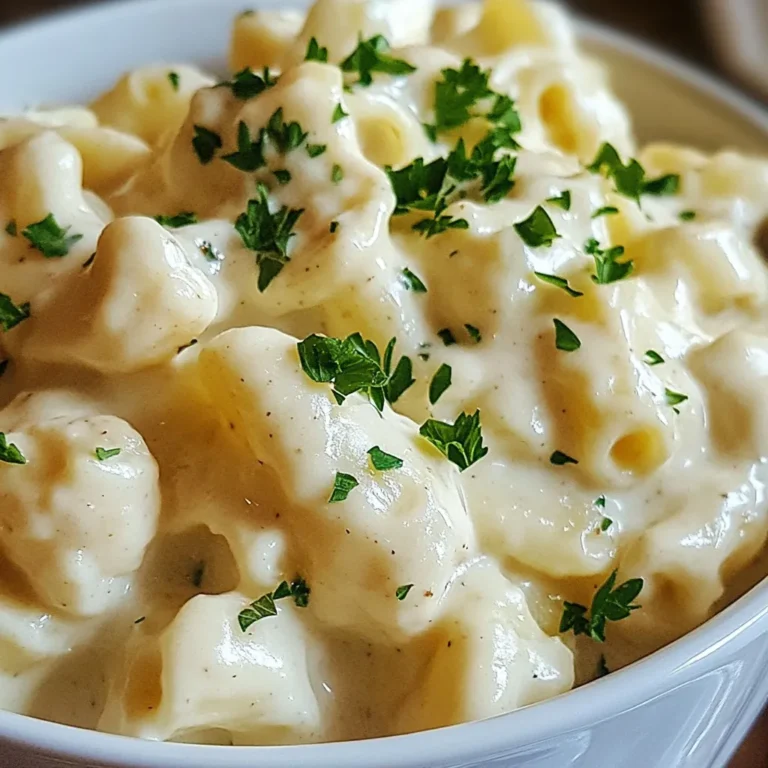
Creamy Garlic Pasta Luscious and Simple Dish
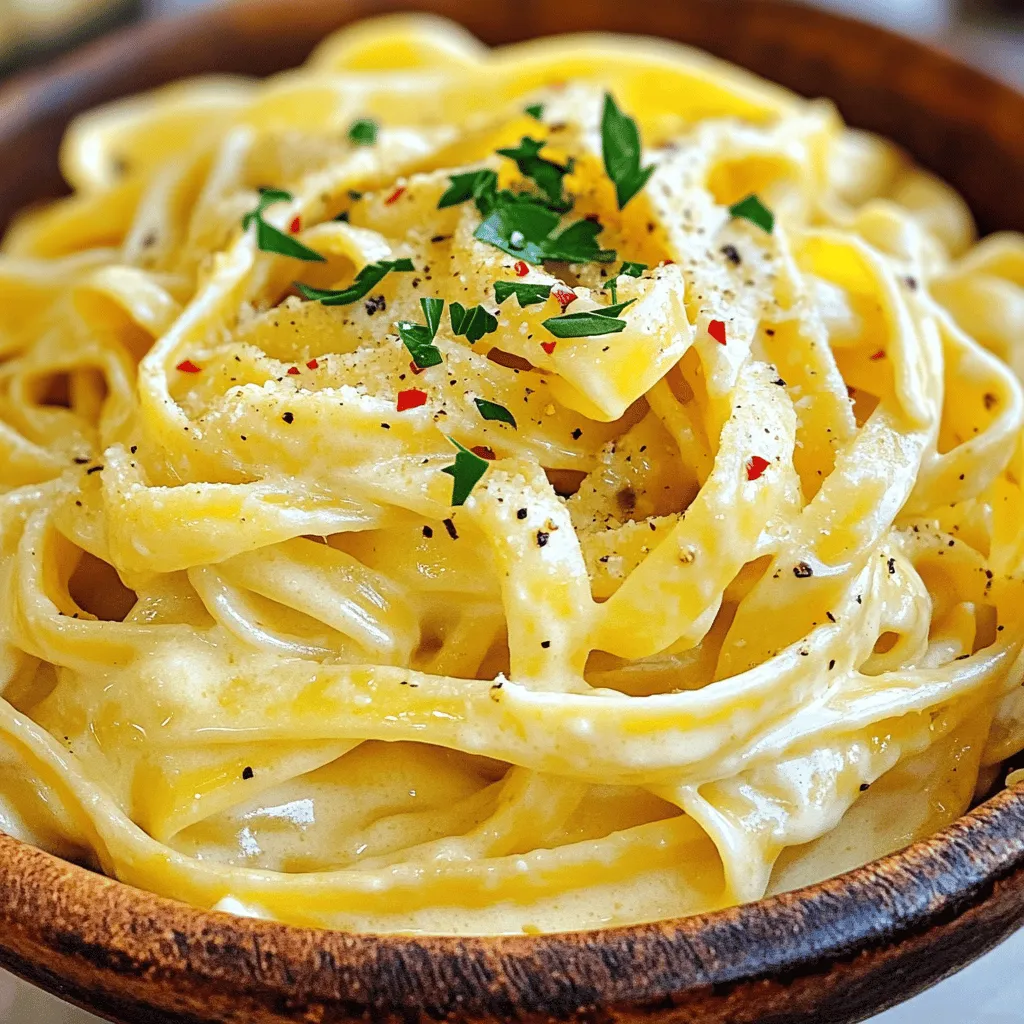
Are you ready to impress your family or friends with a delicious meal? In this post, I’ll guide you through making creamy garlic pasta—a dish that’s both rich and simple. You’ll learn about the essential ingredients you need, step-by-step instructions to achieve the perfect sauce, and tips on how to make it your own. Get ready to savor a new favorite!
Ingredients
Essential Ingredients for Creamy Garlic Pasta
To make creamy garlic pasta, you need these key ingredients:
– 300g fettuccine pasta
– 4 tablespoons extra virgin olive oil
– 6 cloves of garlic, finely minced
– 1 cup heavy cream
– 1/2 cup freshly grated Parmesan cheese
– 1/2 teaspoon red pepper flakes (optional, for spice)
– Salt and freshly cracked black pepper, to taste
– Fresh parsley, finely chopped (for garnish)
Each ingredient adds its own magic to the dish. The fettuccine provides a hearty base. Garlic gives it a rich and sharp flavor. The heavy cream brings creaminess, while the Parmesan adds a savory depth.
Optional Ingredients
You can spice things up with optional ingredients. Adding red pepper flakes gives the dish a nice kick. If you like more heat, you can adjust the amount to your taste. You might also consider adding a squeeze of lemon. It brightens the flavors and adds a fresh twist.
Ingredient Substitutions
Sometimes, you may need to swap ingredients. If you have gluten allergies, use gluten-free pasta. You can also replace heavy cream with coconut cream for a dairy-free version. For a lighter option, try using half-and-half instead of heavy cream. This keeps the dish creamy but cuts some calories.
Step-by-Step Instructions
Cooking the Pasta
To cook the fettuccine, start with a large pot. Fill it with water and bring it to a boil. Add a good amount of salt to the water. This helps flavor the pasta. Once boiling, add 300g of fettuccine. Cook it according to the package instructions until it is al dente. This means it should be tender but still firm to the bite. Remember to save about 1/2 cup of the pasta water before draining the pasta in a colander. This water will help thicken your sauce later.
Preparing the Creamy Garlic Sauce
For the sauce, grab a large skillet and heat 4 tablespoons of extra virgin olive oil over medium heat. Once the oil is hot, add 6 finely minced garlic cloves. Sauté the garlic for 1-2 minutes. You want it fragrant and light golden, so stir it constantly. Be careful not to burn the garlic. Then, reduce the heat to medium-low. Carefully pour in 1 cup of heavy cream. Stir well to mix it with the oil and garlic. Let the sauce simmer for about 2-3 minutes to thicken slightly. Next, gradually add 1/2 cup of freshly grated Parmesan cheese. Keep stirring until it melts and the sauce is creamy. If it feels too thick, add a bit of the reserved pasta water.
Combining Pasta and Sauce
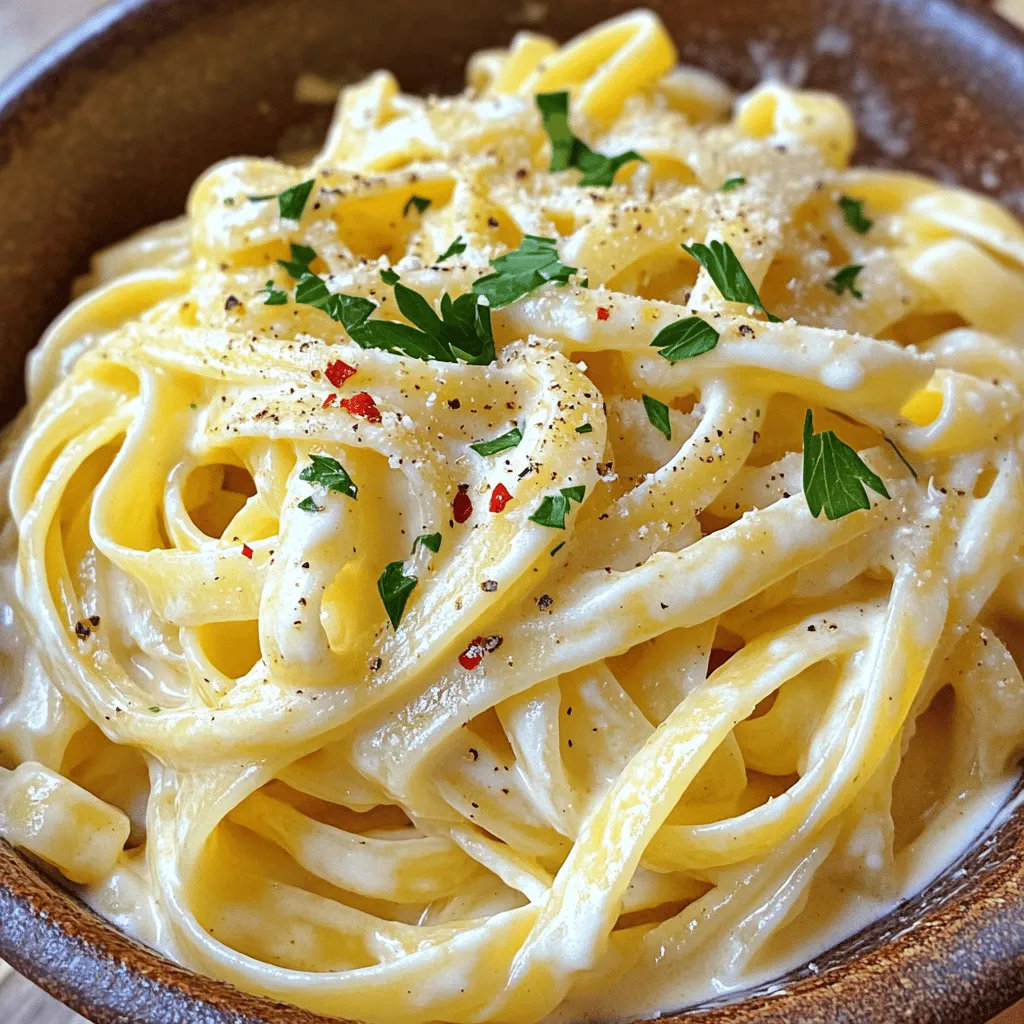
Once your sauce is ready, add the drained fettuccine into the skillet. Toss the pasta with the creamy garlic sauce. Make sure every strand is well-coated. This step is key for flavor. Heat the pasta through, then it is ready to serve. For a finishing touch, sprinkle freshly chopped parsley on top. You can also add more Parmesan cheese if you love that cheesy goodness. Enjoy your beautiful dish!
Tips & Tricks
Common Mistakes to Avoid
To make creamy garlic pasta, avoid overcooking the fettuccine. Cook it al dente, so it stays firm. If you skip saving pasta water, your sauce might turn thick. This water helps adjust the sauce’s texture. Keep an eye on the garlic while cooking. It can burn quickly and turn bitter. Lastly, do not rush when mixing the pasta with the sauce. Toss it gently to coat every strand.
Enhancing Flavor
To boost the flavor, think about adding fresh herbs. Basil or thyme can make a big difference. A sprinkle of lemon zest brightens up the dish, too. You might also try a pinch of nutmeg for warmth. If you like heat, extra red pepper flakes work wonders. These small changes elevate your creamy garlic pasta to new heights.
Serving Suggestions
Pair this dish with a simple green salad for freshness. A side of garlic bread complements the flavors well. For wine, choose a crisp white, like Pinot Grigio. This wine balances the creaminess of the pasta. If you want to impress, serve your pasta in big, shallow bowls. Add a touch of parsley on top for color. Enjoy your creamy garlic pasta with these delightful sides!
Variations
Protein Additions
You can boost your creamy garlic pasta with protein. Chicken, shrimp, or tofu work great. For chicken, use grilled or sautéed pieces. Cook them separately and mix them in at the end. For shrimp, sauté them in the garlic oil before adding the cream. They cook fast and add a nice flavor. Tofu is a great plant-based option. Cube it and sauté until crispy. Then, add it to the sauce for a satisfying meal.
Vegetable Options
Adding vegetables can make your dish even better. Spinach is a great choice. It wilts quickly and adds color. Just toss it in when you mix the pasta and sauce. Mushrooms add a nice earthy flavor. Sauté sliced mushrooms in the oil before the garlic. Zucchini or broccoli can also work well. Just ensure they are cooked to your liking before mixing them in.
Dietary Adaptations
You can easily make this dish vegan or dairy-free. For a vegan version, swap heavy cream for coconut milk or cashew cream. Nutritional yeast can replace Parmesan cheese for that cheesy flavor. If you want to keep it dairy-free but still creamy, use almond milk mixed with a thickener like cornstarch. These changes keep the dish rich and delicious while meeting your dietary needs.
Storage Info
Storing Leftovers
To keep your creamy garlic pasta fresh, store it in an airtight container. Let it cool to room temperature first. Then, place it in the fridge. It should last for about three days. Avoid adding extra sauce when storing. This helps keep the pasta from getting too soggy.
Reheating Tips
When you’re ready to enjoy your leftovers, reheat them gently. You can use a skillet on low heat. Add a splash of water or extra cream to help it warm up. Stir often to keep the pasta from sticking. This way, you maintain the creamy texture and flavor.
Freezing Instructions
If you want to freeze portions, it’s easy. First, let the pasta cool completely. Then, divide it into smaller portions in freezer-safe bags or containers. Remember to remove as much air as possible. This prevents freezer burn. To thaw, place it in the fridge overnight. When ready, reheat it in a skillet with a bit of liquid to bring it back to life.
FAQs
How can I make creamy garlic pasta ahead of time?
You can easily prepare creamy garlic pasta in advance. Cook the pasta and make the sauce separately. Store each in airtight containers in the fridge. When ready to serve, just reheat them. Heat the sauce gently in a pan and add the pasta. If it seems dry, add a bit of reserved pasta water to get the right texture. This method keeps your dish fresh and tasty.
Can I use a different type of pasta?
Yes, you can use many types of pasta. While fettuccine is classic, you can try penne, spaghetti, or even gluten-free options. Each type offers a unique bite. Just make sure to adjust the cooking time according to the pasta you choose. This recipe adapts well, so feel free to experiment with your favorite shapes.
What can I serve with creamy garlic pasta?
Creamy garlic pasta pairs well with various sides. A fresh green salad adds a nice crunch. Garlic bread is also a great choice, soaking up the creamy sauce. For a heartier meal, roasted vegetables or grilled chicken can complement the dish. You can mix and match based on your taste and mood.
This blog post covered everything you need for creamy garlic pasta. We looked at key ingredients like fettuccine and garlic. You learned how to cook pasta, make the sauce, and combine them. We shared tips to avoid common mistakes and enhance flavors. Variations let you add protein or veggies.
Finally, we discussed food storage and reheating methods. With all this info, you can cook a delicious creamy garlic pasta dish. Enjoy your meal and impress your friends!
![- 1 cup Arborio rice - 1 cup mixed mushrooms (button and shiitake, thinly sliced) - 1/2 cup heavy cream - 1/2 cup grated Parmesan cheese Arborio rice is the star here. It’s starchy and creamy as it cooks. Mixed mushrooms bring rich flavors. I love using both button and shiitake for the best taste. Heavy cream makes the risotto smooth and rich. The Parmesan cheese adds a salty kick that elevates the dish. - 1 small onion, finely chopped - 2 cloves garlic, minced - 2 tablespoons extra-virgin olive oil - 1 tablespoon unsalted butter Onion and garlic are key for flavor. They create a lovely base when sautéed. Olive oil and butter work together to add depth. The oil keeps the butter from burning, making the perfect blend. - Salt and freshly ground black pepper to taste - Fresh parsley, chopped for garnish Salt and pepper are must-haves for seasoning. They bring out all the flavors in the dish. Fresh parsley adds color and a hint of freshness on top. It makes the risotto look beautiful and bright. For the full recipe, check out our Mushroom Medley Creamy Risotto. Each ingredient plays a role in making this dish a creamy delight. Start by heating the vegetable broth in a medium saucepan. Warm it over medium heat until it’s hot but not boiling. This is key! Keeping the broth warm helps the rice cook evenly. If the broth is cold, it can shock the rice and ruin the dish. In a large skillet, add the olive oil and butter. Heat this over medium heat. Once hot, add the finely chopped onion. Sauté for about 3 to 4 minutes. You want the onion to soften and turn translucent. Next, add the minced garlic and sliced mushrooms. Cook for 5 to 6 minutes. Stir occasionally until the mushrooms are golden brown. They should be soft and have released some moisture. This step builds a rich flavor base. Now, it’s time to toast the rice. Add the Arborio rice to the skillet. Stir well to coat the grains with the mushroom mix. Cook for an additional 2 to 3 minutes. You’ll see the rice edges becoming slightly translucent. This toasting enhances the flavor. Next, start adding the warm broth one ladleful at a time. Stir constantly. Let the rice absorb the liquid before adding more. This gradual addition is crucial. It helps the rice become creamy. Continue this process for about 18 to 20 minutes. The rice should be tender but still al dente. Once it reaches this creamy state, stir in the heavy cream and grated Parmesan cheese. Mix well to combine. Season with salt and black pepper to taste. For the full recipe, you can refer to the detailed steps above. Enjoy your creamy mushroom risotto! To make your risotto creamy, you must stir constantly. This action helps release starch from the rice. The starch is what gives risotto its rich texture. If you stop stirring, the rice can clump, and the dish won’t be as smooth. Choose the right type of broth for the best flavor. Vegetable broth works well, but chicken broth adds depth. Always keep your broth warm while you cook. Cold broth can shock the rice and slow down cooking. Adding white wine brings a nice depth to the dish. Use a dry white wine like Sauvignon Blanc. This adds acidity and balances the richness of the cream. For mushrooms, mix button and shiitake. Button mushrooms are mild and creamy, while shiitake adds an earthy taste. You can also try portobello or cremini for a bolder flavor. When plating, use shallow bowls for a nice look. Pile the risotto high and use a spoon to create a small well in the center. This makes it feel gourmet. Pair your risotto with a crisp green salad or some roasted vegetables. A glass of white wine, like Chardonnay, complements the flavors well. For an extra touch, garnish with more Parmesan and a drizzle of olive oil. This will enhance both the taste and the appearance of your dish. {{image_4}} You can change the type of mushrooms in your risotto. Each type adds its own taste. Try using portobello or oyster mushrooms for a different flavor. Seasonal vegetables also work well. Asparagus or peas can add freshness and color to your dish. If you want a vegan risotto, skip the heavy cream and cheese. Use coconut cream and nutritional yeast for a rich flavor. For lactose-free options, choose lactose-free cheese and cream. These swaps keep the dish creamy and delicious. You can also make this risotto gluten-free. Arborio rice is naturally gluten-free, so you’re already set. Just ensure your broth is gluten-free, too. Adding protein can make your risotto heartier. You can mix in chicken, shrimp, or tofu. Cook the protein separately and stir it in near the end. This keeps flavors balanced and ensures everything is cooked perfectly. Chicken adds a savory touch, while shrimp gives a nice seafood flair. Tofu is a great choice for a plant-based meal. Each option enhances your creamy mushroom risotto and makes it more filling. For more details on the recipe, check the Full Recipe link. To keep creamy mushroom risotto fresh, store it in a proper container. Use an airtight container to prevent moisture loss. Make sure the risotto cools to room temperature before sealing. Creamy mushroom risotto lasts up to three days in the fridge if stored correctly. When reheating risotto, the best methods are on the stovetop or in the microwave. For stovetop reheating, add a splash of broth to help revive the creaminess. Stir gently over low heat until warm. In the microwave, cover the dish with a damp paper towel. Heat in short bursts, stirring in between to keep it creamy. To freeze risotto, let it cool completely first. Then, place it in a freezer-safe container or bag. Remove as much air as possible to prevent freezer burn. Creamy mushroom risotto can stay frozen for up to two months. When ready to eat, thaw it overnight in the fridge. Reheat as mentioned above, ensuring it stays creamy and delicious. Cooking creamy mushroom risotto takes about 30 minutes. You will spend 10 minutes prepping and 20 minutes cooking. Keep the broth warm while you cook. Stir the rice often and add broth slowly. This method helps the rice absorb the liquid and become creamy. Yes, you can make mushroom risotto ahead of time. Cook it as usual, but stop before adding cream and cheese. Cool it down quickly and store it in the fridge. When you're ready to serve, reheat it on low heat. Add cream and cheese while stirring to restore creaminess. Creamy mushroom risotto pairs well with many sides. You can serve it with a simple green salad. Grilled vegetables also make a good match. For a special touch, enjoy it with a glass of white wine. A crisp Sauvignon Blanc complements the flavors nicely. For the full recipe, check out the Mushroom Medley Creamy Risotto [Full Recipe]. Creamy mushroom risotto blends rich ingredients like Arborio rice and mushrooms. We explored cooking techniques, from sautéing aromatics to achieving the perfect creaminess. You can impress with various flavor adjustments, dietary options, and easy storage tips. In summary, this dish can fit any taste. Try it out and make it your own! Enjoy the satisfaction of mastering risotto. You’ll impress your family and friends with this delicious meal.](https://goldendishy.com/wp-content/uploads/2025/06/13e7d433-e608-428e-b029-b03d5bef7a63-768x768.webp)
![- 4 salmon fillets (approximately 6 oz each) - 3 tablespoons miso paste (white or yellow) - 2 tablespoons honey - 1 tablespoon soy sauce (or tamari for gluten-free) - 1 tablespoon rice vinegar - 1 tablespoon sesame oil - 2 cloves garlic, minced - 1 teaspoon freshly grated ginger - Green onions, thinly sliced (for garnish) - Sesame seeds (for garnish) This list has everything you need for a tasty miso glazed salmon. The salmon fillets are the star of the show. Miso paste adds a rich flavor. Honey gives it a touch of sweetness. Soy sauce or tamari brings in saltiness. Rice vinegar adds a bit of tang. Sesame oil gives a nice nutty taste. Garlic and ginger add warmth and depth. Don't forget the green onions and sesame seeds! They make the dish look great and add a bit of crunch. You can find the full recipe to see how to combine these ingredients into a delicious meal. To start, gather your ingredients. In a mixing bowl, combine the miso paste, honey, soy sauce, rice vinegar, sesame oil, minced garlic, and grated ginger. Use a whisk to blend the ingredients. Mix until smooth and creamy. This glaze adds a sweet and savory flavor to the salmon. Next, place the salmon fillets in a shallow dish or a sealable bag. Pour the miso glaze over the salmon. Make sure each piece is well-coated. Cover the dish or seal the bag and marinate the salmon in the fridge. For best results, allow it to marinate for at least 30 minutes. If you have time, two hours gives a richer flavor. Now, preheat your oven to 400°F (200°C). Line a baking sheet with parchment paper to prevent sticking. After marinating, take the salmon out of the glaze. Let any excess glaze drip off, then place the fillets skin-side down on the sheet. Bake the salmon for 12 to 15 minutes. The fish is done when it turns opaque and flakes easily with a fork. You can find the complete instructions in the [Full Recipe]. You can boost the taste of miso glazed salmon by adding fresh herbs. Try using cilantro or basil for a fresh kick. You can also add spices like chili flakes for heat or black sesame seeds for extra crunch. These small tweaks can take your dish to a whole new level. For the best flavor, I suggest marinating the salmon for at least 30 minutes. If you have time, let it sit for up to 2 hours. This longer marinating lets the flavors soak in deeply. Just remember not to marinate too long, as the acid in the marinade can make the fish mushy. While baking the salmon is great, you can also broil or grill it. Broiling gives a nice char and caramelization, making it even tastier. If you grill, keep the heat medium to avoid burning the glaze. Whichever method you choose, keep an eye on the salmon. It cooks fast! {{image_4}} You can switch the salmon for other fish, like cod or trout. Both work well with miso glaze. Chicken is another great option. You can use chicken breasts or thighs. The cooking time will change, so check for doneness. For plant-based choices, try tofu or tempeh. Both absorb flavors well. Marinate them just like you do with salmon. Bake them until golden brown and firm. You can adjust the taste of the miso glaze. If you like it sweeter, add more honey. For a saltier flavor, increase the soy sauce. You can also try adding a splash of citrus juice. Lime or lemon will brighten the dish. Feel free to add other ingredients too. A spoonful of sriracha gives a spicy kick. You can also mix in chopped herbs like cilantro or basil for freshness. To make a full meal, serve the salmon with sides. Steamed vegetables like broccoli or green beans add color and nutrition. Jasmine rice or quinoa pairs well too. You can also add a simple salad for crunch. For a fun twist, serve the salmon on a bed of noodles. Drizzle some leftover glaze for extra flavor. Check out the Full Recipe for more tips on creating a balanced plate. To store leftover miso glazed salmon, let it cool first. Place it in an airtight container. Make sure to cover it well so it stays fresh. It can last in the fridge for up to three days. If your salmon has a strong smell, it’s best to throw it away. To freeze the salmon, wrap each piece tightly in plastic wrap. Then, place them in a freezer-safe bag. This method helps prevent freezer burn. Miso glazed salmon can be frozen for up to three months. When you’re ready to eat it, move it to the fridge for a night to thaw. For reheating, use an oven or a stovetop. If using the oven, preheat it to 350°F (175°C). Place the salmon on a baking sheet. Heat it for about 10 minutes. This method keeps it moist. If you prefer the stovetop, heat a pan over low heat. Add a splash of water to keep the fish from drying out. Cook for a few minutes until warmed through. You should marinate the salmon for at least 30 minutes. This gives the flavors time to soak in. For a richer taste, I recommend marinating for up to 2 hours. The longer the fish sits in the marinade, the better the flavor will be. Yes, you can use different types of miso. White miso is sweeter and milder. Yellow miso is a bit stronger but still smooth. Red miso is more intense and salty. Each type brings a unique flavor to the salmon. Experiment with what you like best! I love serving Miso Glazed Salmon with steamed rice. Jasmine or brown rice works great. You can also add some roasted veggies or a fresh salad. These sides balance the rich glaze. They make your plate colorful and fun! Check out the Full Recipe for more ideas. This blog post showed how to make miso-glazed salmon. You learned about the key ingredients, preparation, and cooking steps. I shared tips to enhance flavor and offered variations if you want to try something new. Proper storage can keep leftovers tasty for later. Remember, cooking should be fun! Experiment with flavors and enjoy your meal. With these insights and tips, you will create a dish that’s both delicious and satisfying. Happy cooking!](https://goldendishy.com/wp-content/uploads/2025/07/7f43d765-f0ef-46f9-86e2-eabd5628ba72-768x768.webp)